Stop wasting money on facial massage tools that don't work. Learn which ones actually deliver results, how to use them correctly, and why your technique matters more than the tool.
Your bathroom counter is cluttered with them. Jade rollers, gua sha tools, facial cups, and that vibrating thing you bought during a 3am scroll. You've spent $200 on facial massage tools that promised lymphatic drainage and sculpted cheekbones, yet your face looks exactly the same as it did six months ago.
The problem isn't that facial massage doesn't work. It's that most people are using the wrong tools incorrectly for goals that massage can't actually achieve. The tools that deliver real results are specific, and the techniques that matter have nothing to do with the Instagram tutorials you've been following.
Here's what actually works: gua sha tools for muscle tension and puffiness, jade rollers for product absorption and morning depuffing, and your own hands for circulation and stress relief. Everything else is marketing designed to separate you from your money.
Gua Sha Tools Work for Muscle Tension and Jaw Clenching
Gua sha delivers on two specific promises: releasing facial muscle tension and reducing morning puffiness. The flat edge applies controlled pressure that breaks up muscle knots in your jaw, temples, and forehead. The curved sections follow facial contours to move lymphatic fluid toward drainage points near your ears and collarbone.
The technique matters more than the stone. Start with a facial oil or serum for slip. Hold the tool at a 15-degree angle against your skin, never perpendicular. Work in upward and outward strokes from the center of your face toward your hairline and ears. Spend 30-45 seconds on areas where you hold tension, like your jaw joint or between your eyebrows.
Gua sha works best for jaw tension when you're consistent. Daily use for two weeks shows visible reduction in muscle tightness and morning facial swelling. The key is steady pressure, not speed. You're moving fluid and releasing fascia, not trying to sculpt bone structure.
Jade Rollers Help Products Absorb Better
Jade rollers don't lift or contour anything, but they do two things well: they help serums penetrate deeper and they feel good on inflamed skin. The rolling motion creates gentle pressure that pushes product into your skin instead of letting it sit on the surface.
Use the large roller on your cheeks, forehead, and neck. The small end works around your eyes and nose. Roll upward and outward, same as gua sha. The cooling effect helps with puffiness, especially if you store your roller in the refrigerator.
The material doesn't matter as much as brands claim. Stainless steel stays colder longer than jade or rose quartz, but any smooth roller will move product and provide the cooling sensation. Don't spend $60 on a rose quartz roller when a $15 stainless steel version does the same job.
Your Hands Are Often More Effective Than Tools
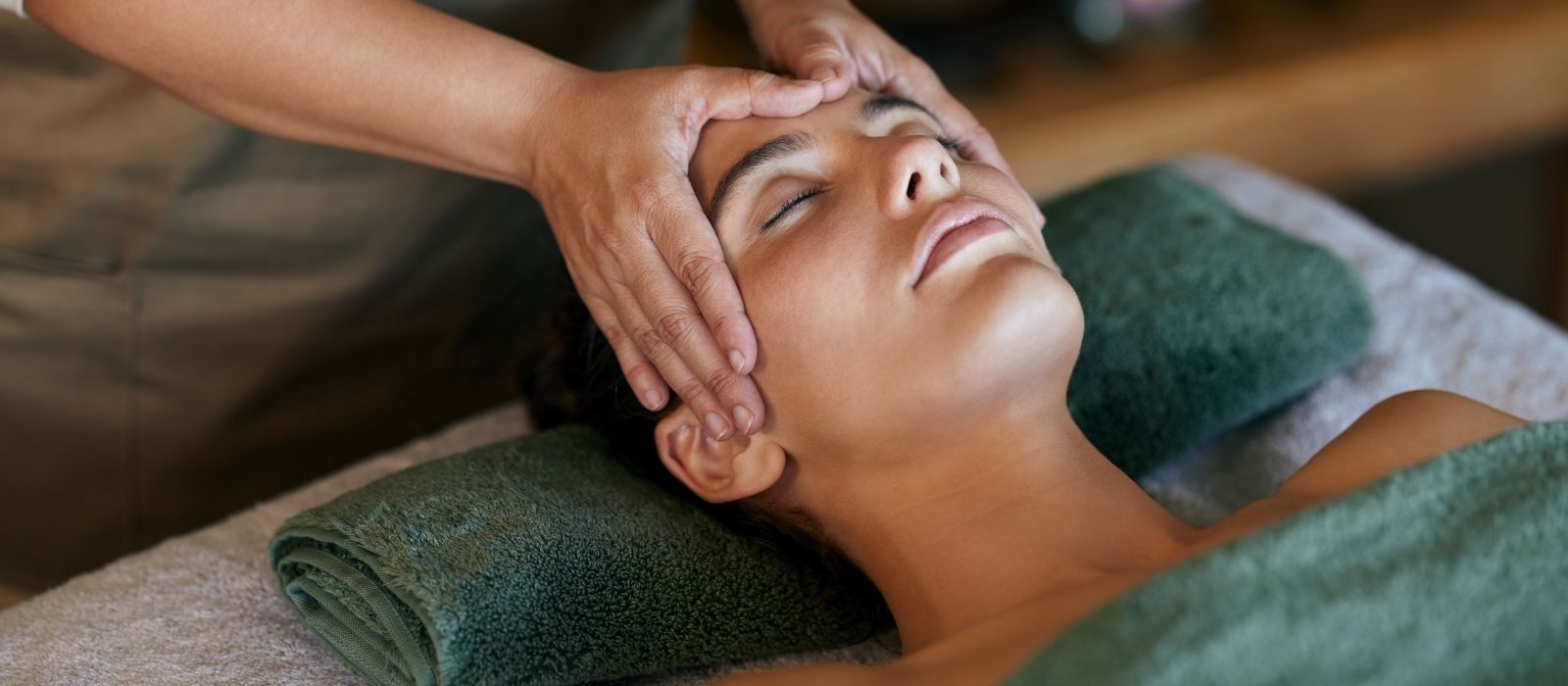
Professional facial massage uses hands, not tools, for a reason. Your fingers can adjust pressure instantly, feel for tension spots, and reach areas that rigid tools can't navigate properly. Hand techniques for facial massage target circulation and muscle release more precisely than any tool.
Place your fingertips at the center of your forehead and sweep outward toward your temples. Use gentle upward pressure along your jawline from chin to ears. Press and hold tension points for 10-15 seconds rather than constant movement.
The lymphatic drainage technique everyone talks about requires understanding anatomy. Lymph nodes cluster near your ears, under your jaw, and along your collarbone. Massage moves fluid toward these areas, not away from them. Upward strokes on your neck push lymph in the wrong direction.
What Doesn't Work Despite the Claims
Facial cupping promises to increase circulation and reduce fine lines, but the suction is too gentle to create lasting change. It might temporarily plump your skin, but that's blood pooling, not anti-aging. The red marks it leaves aren't therapeutic — they're broken capillaries.
Microcurrent devices claim to tone facial muscles, but the electrical stimulation isn't strong enough to build muscle like gym equipment does for your body. FDA regulations limit consumer devices to levels that feel tingly but don't create physiological change.
Any tool promising to dissolve fat, lift sagging skin, or reshape bone structure is lying. Facial massage affects muscles and circulation, not permanent structural changes. Your facial bones don't move. Your fat pads don't disappear from external pressure.
How to Use What You Already Have
Start with clean skin and a few drops of facial oil. Work for 3-5 minutes maximum — longer doesn't mean better results. Focus on areas where you feel tension or see puffiness, typically around your eyes, jaw, and temples.
Morning massage reduces overnight fluid buildup. Evening massage releases daily stress and helps products absorb. The timing matters less than consistency. Gentle massage supports barrier function by improving circulation without irritating sensitive skin.
FAQ
do facial massage tools actually work for wrinkles
Facial massage tools can temporarily plump skin and improve circulation, which makes fine lines less noticeable short-term. They don't prevent or reverse wrinkles long-term. Consistent massage may help with muscle tension that contributes to expression lines, but it won't replace retinoids or sunscreen for anti-aging.
how often should you use facial massage tools
Daily use is safe for most people, but 3-4 times per week shows the same benefits with less risk of irritation. Always use clean tools with proper lubrication. If you have active breakouts or rosacea, limit use to once weekly and avoid inflamed areas completely.
what's the difference between jade roller and gua sha
Jade rollers provide gentle, even pressure good for product absorption and light puffiness. Gua sha tools offer targeted pressure for muscle tension and can reach specific areas like the jaw joint and temple. Gua sha requires more technique knowledge but delivers better results for tension relief.