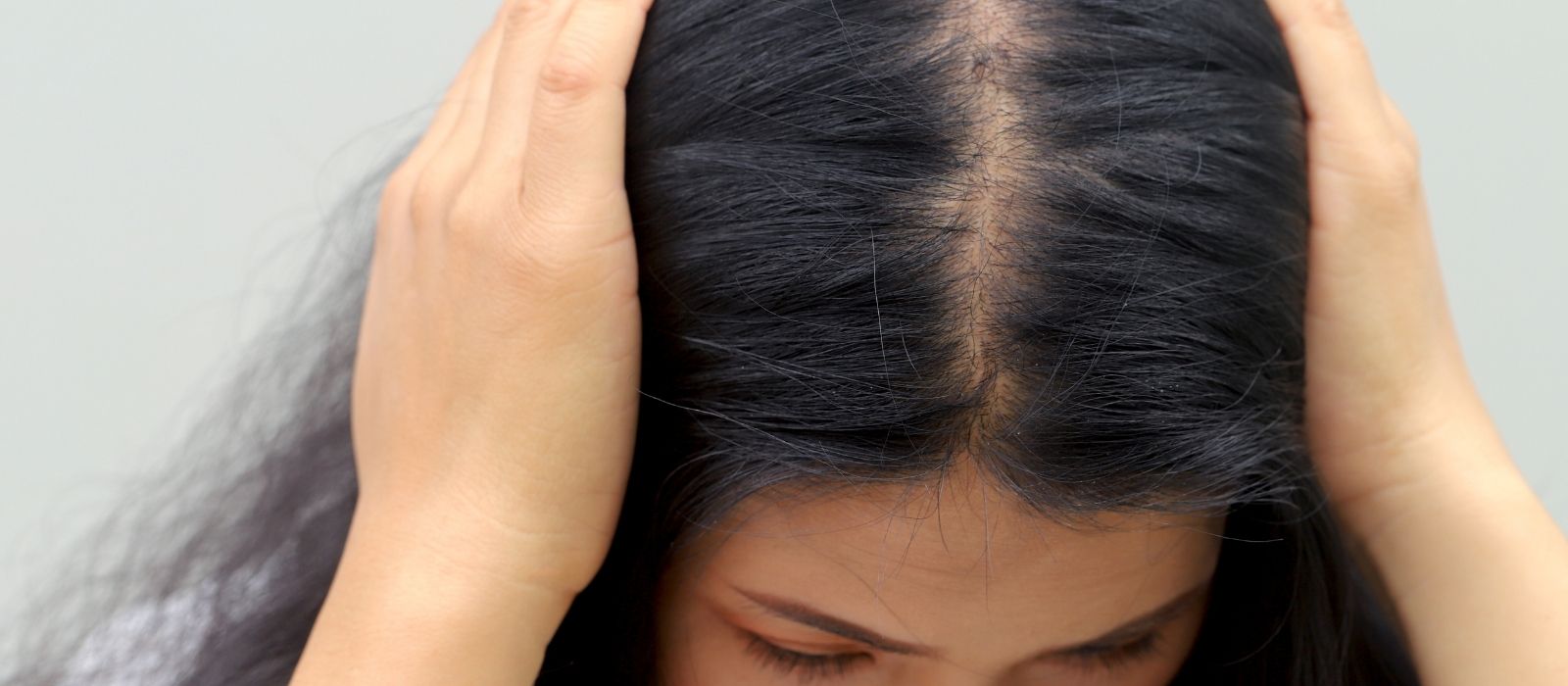
Winter destroys your skin barrier and hair moisture through cold air and indoor heating. Learn the science behind winter damage and how to protect your skin and hair.
Your skin felt fine in October. By January, it's cracked, flaky, and nothing you put on it seems to help. Your hair went from manageable to a static-filled mess that breaks when you brush it. This isn't bad luck or genetics catching up with you.
Winter systematically destroys your skin barrier and strips moisture from your hair through a combination of cold outdoor air and dry indoor heating. The humidity drops from summer's 60-80% to winter's brutal 10-20%, creating conditions that pull water directly out of your skin and hair shafts.
Your skin and hair don't just get 'a little dry' in winter. They enter survival mode. Your skin barrier becomes compromised, leading to inflammation, sensitivity, and that tight feeling that makes everything sting. Your hair cuticles lift and crack, making strands weak and prone to breakage. The damage compounds daily until spring arrives.
Why Cold Air Destroys Your Skin Barrier
Cold air holds less moisture than warm air. When outdoor temperatures drop below 40°F, humidity plummets regardless of weather conditions. Your skin evolved to maintain a moisture barrier using natural oils and dead skin cells, but this system fails when environmental humidity drops below 30%.
Here's what happens: your skin tries to match the moisture level of the surrounding air through a process called transepidermal water loss. In summer humidity, this works fine. In winter's dry conditions, your skin keeps releasing moisture until it becomes dehydrated and inflamed. The barrier breaks down, making you more sensitive to products that normally don't bother you.
Indoor heating makes this worse. Forced air systems remove whatever moisture remains in the air. Your skin responds by producing more oil to compensate, which creates that combination of oily T-zone and dry, flaky cheeks that feels impossible to treat.
What Winter Does to Your Hair
Hair is made of overlapping protein scales called cuticles. In humid conditions, these lay flat and smooth. Dry winter air causes cuticles to lift and separate, creating microscopic gaps where moisture escapes and damage enters.
Static electricity builds up because dry hair can't conduct the electrical charge that normally dissipates through moisture. Your hair literally repels itself, creating flyaways and making styling impossible. Worse, lifted cuticles catch on each other during brushing, causing breakage that looks like hair loss but is actually damage.
The combination of cold outdoor air and heated indoor air creates a moisture-stripping cycle. You go from 20% humidity outside to forced-air heating that drops indoor humidity to 10-15%. Your hair never gets a break from the dehydrating conditions.
How to Actually Protect Your Skin in Winter
Switch to heavier moisturizers before your skin shows damage. Ingredients like ceramides, hyaluronic acid, and glycerin work, but only if you apply them to damp skin and seal them with an occlusive layer like petroleum jelly or dimethicone.
Run a humidifier in rooms where you spend the most time. Target 40-50% humidity, measured with a hygrometer. Anything higher encourages mold growth. The investment pays off because you'll need fewer products when your environment isn't actively destroying your skin barrier.
Avoid hot showers and harsh cleansers. Hot water strips your skin's natural oils faster than cold air does. Use lukewarm water and switch to cream-based cleansers that don't foam. Your skin needs those natural oils to repair the barrier damage happening daily.
How to Protect Your Hair From Winter Damage
Deep condition weekly with protein-free treatments that focus on moisture. Ingredients like shea butter, argan oil, and glycerin help, but the timing matters more than the product. Apply treatments to damp hair and cover with a shower cap for 20-30 minutes.
Hair oiling before washing creates a protective barrier against moisture loss. Apply oil to dry hair 30 minutes before shampooing. This prevents your hair from absorbing too much water during washing, which paradoxically causes more dryness afterward.
Consider protective styling that keeps hair tucked away from direct exposure to dry air. Braids, buns, and twists reduce the surface area exposed to moisture-stripping conditions.
Address your indoor air quality because this affects your hair as much as your skin. The same humidifier that helps your skin will reduce static and breakage in your hair.
When Winter Damage Becomes a Bigger Problem
Some people experience more severe reactions to winter conditions. If you develop persistent rashes, extreme sensitivity, or scalp problems that don't resolve with moisture treatments, the issue might be inflammatory rather than just environmental.
Winter can trigger or worsen conditions like eczema, seborrheic dermatitis, and scalp inflammation. These require different treatments than simple dryness. See a dermatologist if moisturizing and humidifying don't improve your symptoms within 2-3 weeks.
Frequently Asked Questions
Why does my skin get oily and dry at the same time in winter?
Your skin overproduces oil to compensate for barrier damage from dry air, creating oily areas while other parts remain dehydrated and flaky.
How long does it take for winter hair damage to repair?
Surface damage from lifted cuticles improves within 2-3 weeks of consistent moisture treatments, but severe breakage requires new growth, which takes 2-3 months.
Do I really need a humidifier or can I just use more moisturizer?
Moisturizer can't compete with 10% humidity levels that actively pull water from your skin. A humidifier addresses the environmental cause rather than just treating symptoms.