Learn the crucial differences between normal hair shedding and actual hair loss. Discover when to worry and what signs mean you need professional help.
You run your fingers through your hair and find strands wrapped around them. There's hair on your pillowcase, in the shower drain, stuck to your sweater. Your first thought: panic. But before you start researching hair transplants, you need to understand something crucial.
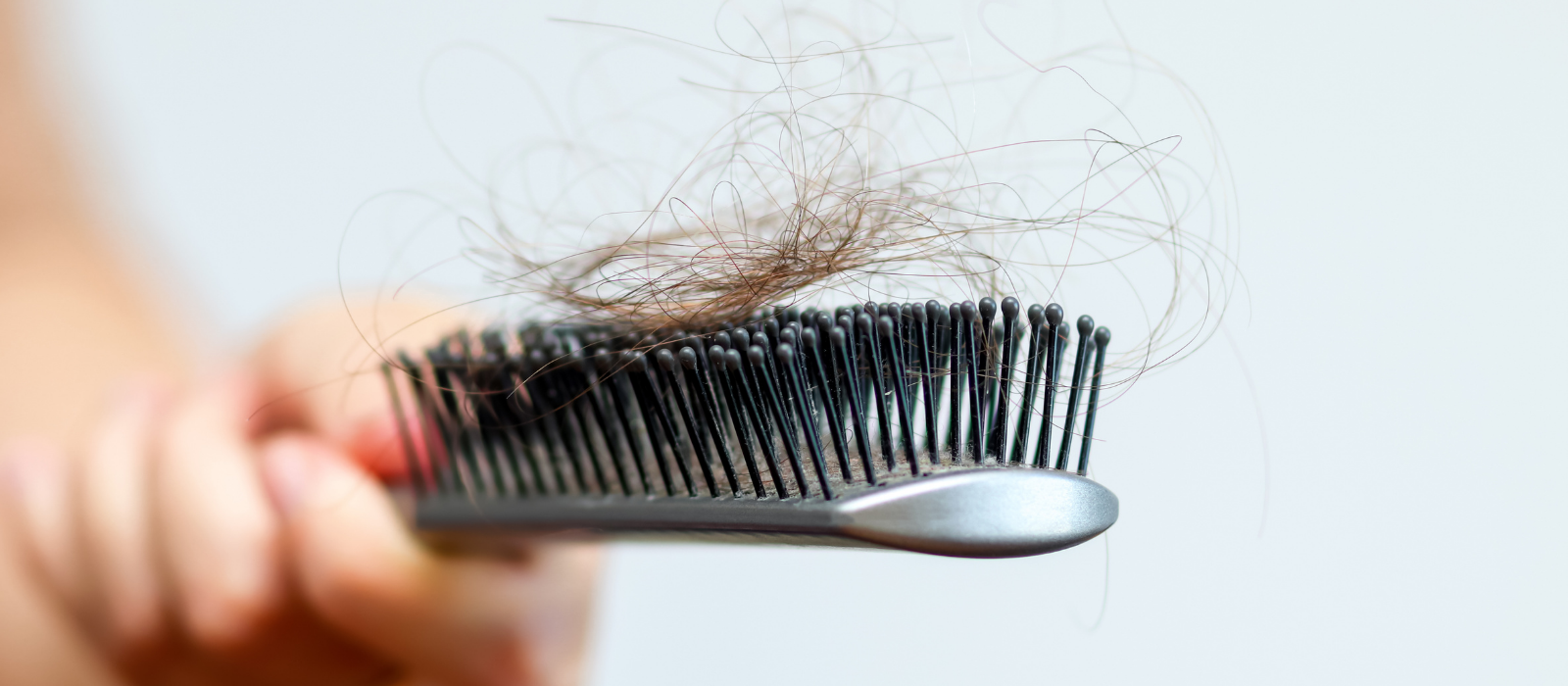
Most of what you're seeing is probably normal shedding. Your scalp naturally releases 50 to 100 hairs daily as part of the hair growth cycle. That sounds like a lot, but spread across your entire head of roughly 100,000 hairs, it's barely noticeable. The problem is that we don't usually pay attention to daily hair fall until something changes — stress, hormones, or seasonal shifts can make normal shedding more visible.
Real hair loss is different. It's when your hair follicles stop producing new hair to replace what's shed, or when you're losing significantly more than the normal amount. The key is knowing which category your hair fall actually fits into.
Normal Hair Shedding vs. Hair Loss
Normal shedding happens when hairs complete their growth cycle and fall out to make room for new growth. These hairs have a small white bulb at the root — that's the hair follicle releasing naturally. The hair shaft looks healthy, and you'll notice shedding spread evenly across your scalp.
Hair loss shows different patterns. You might see more hair coming out when you wash or brush — sometimes 200 to 300 strands instead of the usual amount. The hairs might be shorter, thinner, or broken rather than full-length strands with white bulbs. Most importantly, you'll start noticing visible changes: your part getting wider, your ponytail feeling thinner, or specific areas like your edges showing thinning patterns.
There's also something called telogen effluvium — temporary hair loss triggered by stress, illness, or major life changes. This pushes more hairs into the shedding phase simultaneously, causing dramatic hair fall two to three months after the triggering event. The good news: telogen effluvium usually reverses itself once the underlying cause is addressed.
Physical Signs That Point to Hair Loss
Check your part line. If it's noticeably wider than it was six months ago, that's hair loss. Normal shedding doesn't change your part width because new hairs grow in to replace what's shed.
Look at the hairs you're losing. Healthy shed hairs are full-length with white bulbs at the root. Hair loss often produces shorter, broken pieces or hairs without the white bulb — meaning they're breaking off rather than completing their natural cycle.
Pay attention to where hair fall happens. Normal shedding occurs everywhere. Hair loss often follows patterns: thinning at the crown, receding along the hairline, or concentrated loss around specific areas like the temples.
Your scalp health matters too. Hair loss sometimes comes with scalp issues — increased oiliness, flaking, itching, or visible irritation. Scalp problems can both cause and result from hair loss, creating a cycle that needs professional intervention.
When Shedding Becomes a Problem
Seasonal changes can increase normal shedding. Many people lose more hair in fall as your scalp adjusts to temperature changes. Hormonal shifts during menstruation, pregnancy, or menopause also affect shedding patterns without indicating permanent hair loss.
But some triggers require attention. Chronic stress elevates cortisol, pushing hair follicles into the shedding phase prematurely. Poor nutrition, especially iron deficiency, can increase hair fall beyond normal ranges. Tight hairstyles, chemical processing, or excessive heat styling can cause breakage that mimics hair loss.
The 60-second test can help distinguish between shedding and loss: run your fingers through clean, dry hair from scalp to ends. Count the hairs that come out. Normal shedding produces fewer than 10 hairs. More than 15 consistently suggests increased hair fall worth investigating.
Track patterns for two weeks. Note when you see more hair fall — after washing, brushing, or throughout the day. Document any changes in hair texture, thickness, or growth rate. This information helps healthcare providers determine whether you're dealing with normal shedding or actual hair loss requiring treatment.
FAQ
How much hair loss per day is normal for women?
Normal daily hair shedding ranges from 50 to 100 strands. This can increase during certain life phases like postpartum, menopause, or seasonal changes, but should return to baseline levels within a few months.
Can stress cause immediate hair loss or does it take time?
Stress-related hair loss typically appears 2 to 3 months after the stressful event due to the hair growth cycle timing. The stress pushes hairs into the shedding phase, but you won't see the results until those hairs complete their cycle.
When should I see a doctor about hair thinning?
Consult a healthcare provider if you notice sudden increases in hair fall lasting more than 3 months, visible scalp showing through your hair, or hair loss concentrated in specific patterns rather than overall thinning.