Learn what female pattern hair loss actually is, how it differs from other hair loss types, and proven treatments that can slow or stop thinning hair in women.
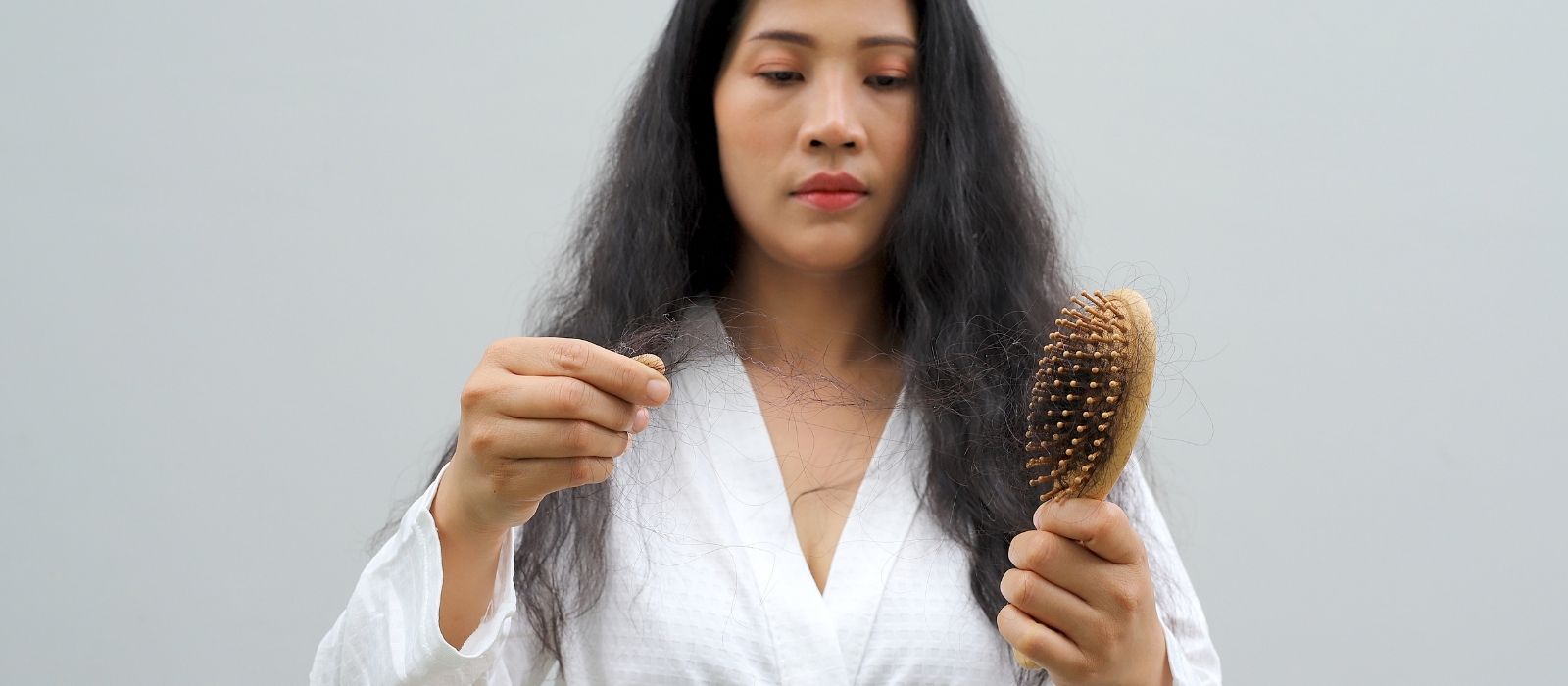
Your ponytail feels thinner. The part you've worn for years suddenly looks wider. You notice more scalp showing in overhead lighting, but when you count hairs in your brush, the number seems normal.
This isn't the dramatic shedding you'd expect from stress or illness. Female pattern hair loss works differently. It doesn't announce itself with clumps in the shower drain. Instead, it quietly shrinks each hair strand over months and years until what grows back is too fine and short to provide coverage.
Female pattern hair loss affects 40% of women by age 50, but most don't recognize it because it doesn't match what they think hair loss looks like. Unlike male pattern baldness that creates obvious bald spots, women typically see diffuse thinning across the crown while keeping their hairline intact.
What Female Pattern Hair Loss Actually Does to Your Hair
Female pattern hair loss, also called androgenetic alopecia, happens when hair follicles shrink over time. Dihydrotestosterone (DHT), a hormone derived from testosterone, binds to receptors in your scalp and gradually miniaturizes follicles. This process shortens the growth phase of each hair cycle.
Normal hair grows for 2-6 years before shedding. Hair affected by female pattern hair loss might only grow for months before cycling out. Each new strand comes back thinner and weaker than the last. Eventually, follicles produce hair so fine it can't be seen or felt.
The pattern matters. Women rarely lose hair at the temples like men do. Instead, thinning starts at the crown and spreads outward, creating a Christmas tree shape of wider parting. The hairline usually stays intact, which is why many women don't realize they're experiencing pattern hair loss until significant thinning has occurred.
How to Tell If It's Female Pattern Hair Loss
Three signs distinguish female pattern hair loss from other types: gradual onset over years, specific location patterns, and hair texture changes before volume loss.
The timing rules out sudden triggers. Stress-related hair loss happens 2-4 months after a specific event. Iron deficiency hair loss creates noticeable shedding you can count. Female pattern hair loss develops slowly without obvious shedding phases.
Location patterns are predictable. Check your crown area in good lighting or take photos from above monthly. Female pattern hair loss creates widening parts and visible scalp through the top and crown areas while sparing the sides and back of your head.
Texture changes happen first. Your hair becomes finer, softer, and harder to style before you lose actual volume. Ponytails that used to need two loops around the elastic now need three or four.
Proven Treatments That Actually Work
Minoxidil remains the most effective over-the-counter treatment. The 5% foam version works better than 2% liquid for women, according to research from the Journal of the American Academy of Dermatology. Apply it twice daily to dry scalp, focusing on thinning areas rather than existing hair.
Results take patience. You'll see increased shedding for the first 2-8 weeks as minoxidil pushes out weak hairs to make room for stronger ones. New growth becomes visible around 3-4 months, with peak results at 12 months.
Finasteride, prescription-only, blocks DHT production directly. It works better for women after menopause when estrogen levels drop. Pre-menopausal women can't take it due to birth defect risks, but post-menopausal women see significant improvements in clinical trials.
Low-level laser therapy devices got FDA clearance for female pattern hair loss in 2011. Red light therapy for hair growth uses specific wavelengths to stimulate follicles. Home devices cost $200-800 but require 20-30 minutes every other day for months before showing results.
Lifestyle Changes That Support Hair Health
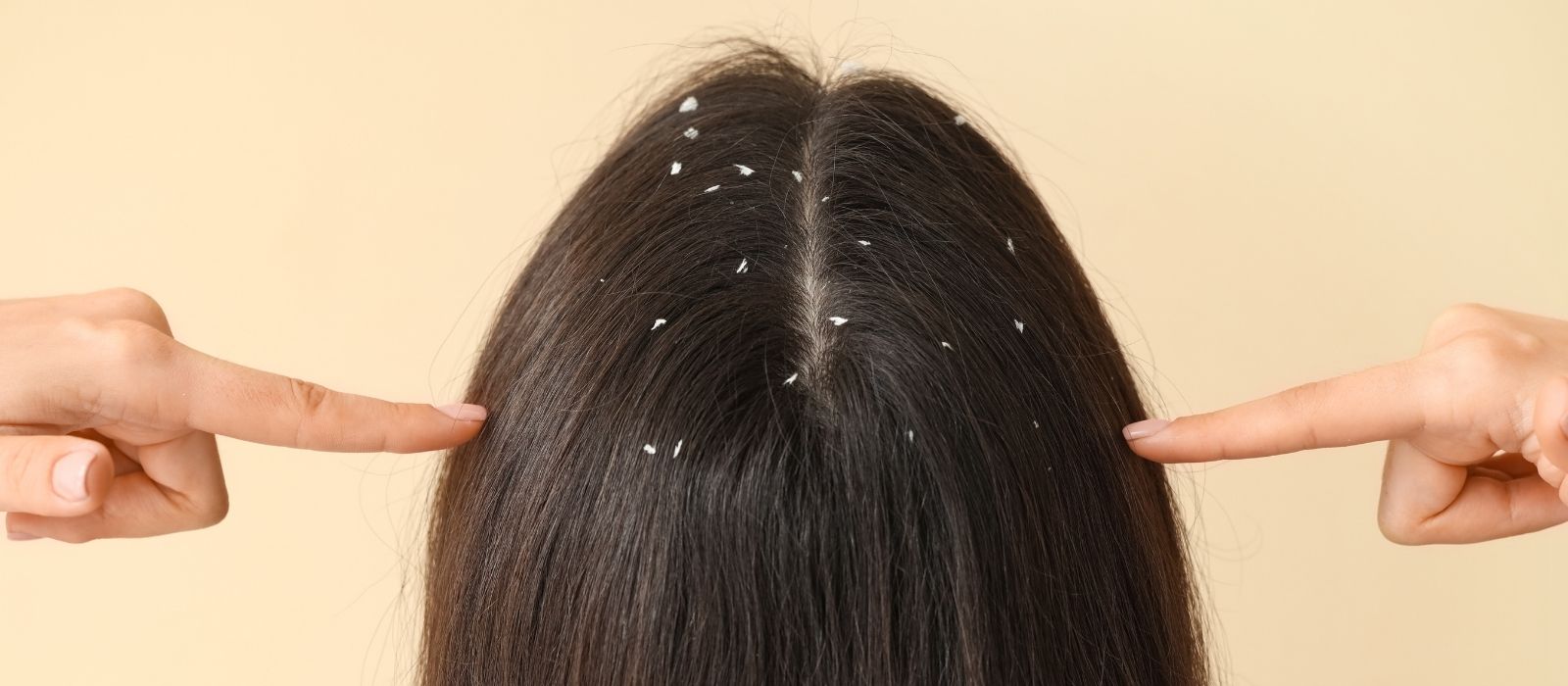
Scalp health directly impacts hair growth potential. Poor scalp health compounds pattern hair loss by creating additional inflammation around already stressed follicles.
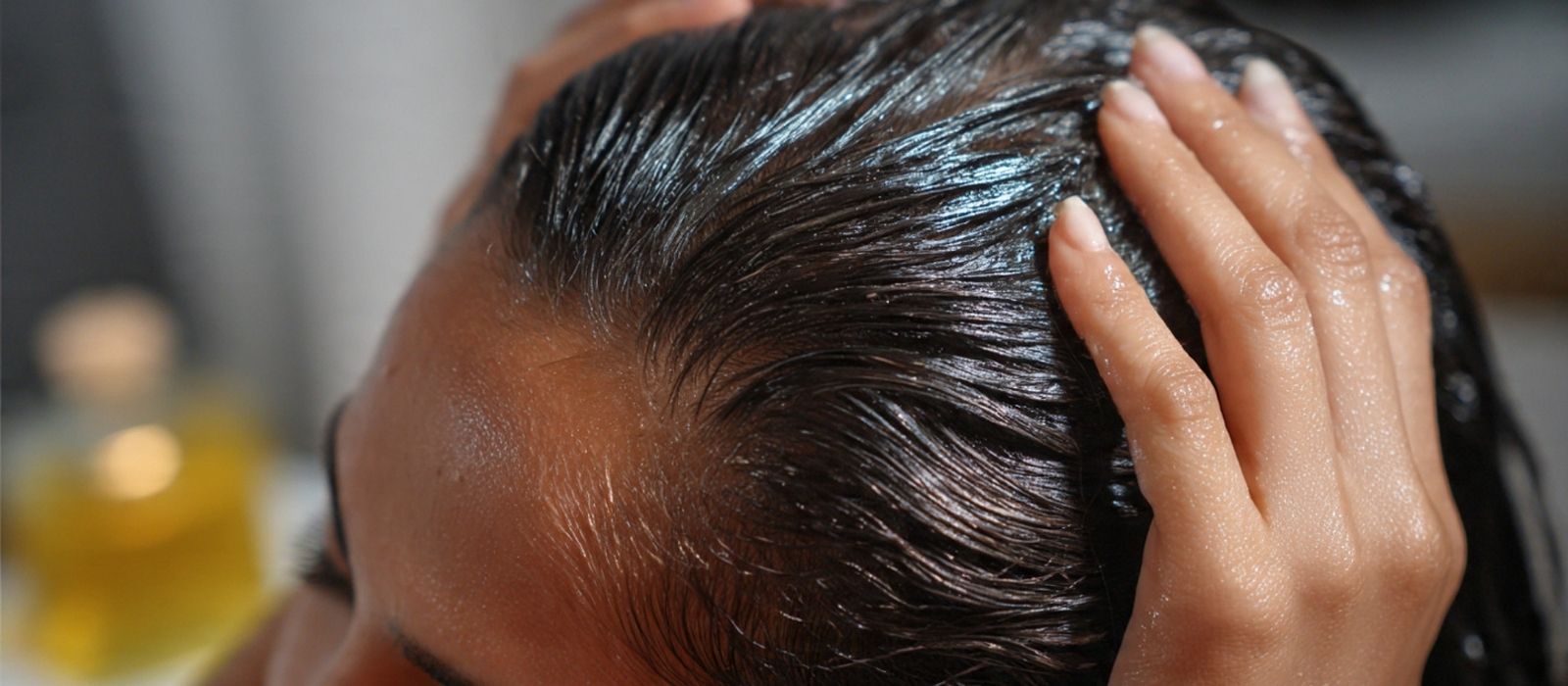
Scalp massage increases blood flow to follicles. A 2016 study found that four minutes of daily massage increased hair thickness after 24 weeks. Use firm pressure with fingertips, not nails, moving in circular motions across your entire scalp.
Nutrition matters more than supplements. Iron, protein, and vitamin D deficiencies worsen pattern hair loss, but taking supplements when levels are normal doesn't improve growth. Get blood work to check ferritin, vitamin D, and thyroid function before starting any supplement routine.
Protective styling prevents mechanical damage that makes thinning more noticeable. Avoid tight ponytails, braids that pull at your hairline, and heat styling above 300°F. Use silk pillowcases and loose scrunchies instead of elastic bands.
When to See a Dermatologist
See a dermatologist if you notice sudden hair loss, patchy bald spots, or scalp irritation alongside thinning. These symptoms suggest other conditions that require different treatments.
Early treatment works better. Hair follicles that have been dormant for years rarely reactivate, but ones just beginning to shrink respond well to intervention. Don't wait until thinning becomes obvious to others.
FAQ
Can female pattern hair loss be reversed completely?
No, but it can be slowed significantly and existing hair can become thicker. Treatment maintains and improves what you have rather than restoring hair to teenage thickness.
How long does it take to see results from hair loss treatments?
Minoxidil shows results in 3-4 months, finasteride in 6-12 months, and laser therapy in 4-6 months. All treatments require consistent use to maintain benefits.
Is female pattern hair loss genetic?
Yes, genetics account for about 80% of your risk. You can inherit the tendency from either parent's side, and having relatives with hair loss increases your likelihood significantly.