From seborrheic dermatitis to folliculitis, learn to identify the exact cause of your scalp bumps and flakes — plus the treatments that actually work for each condition.
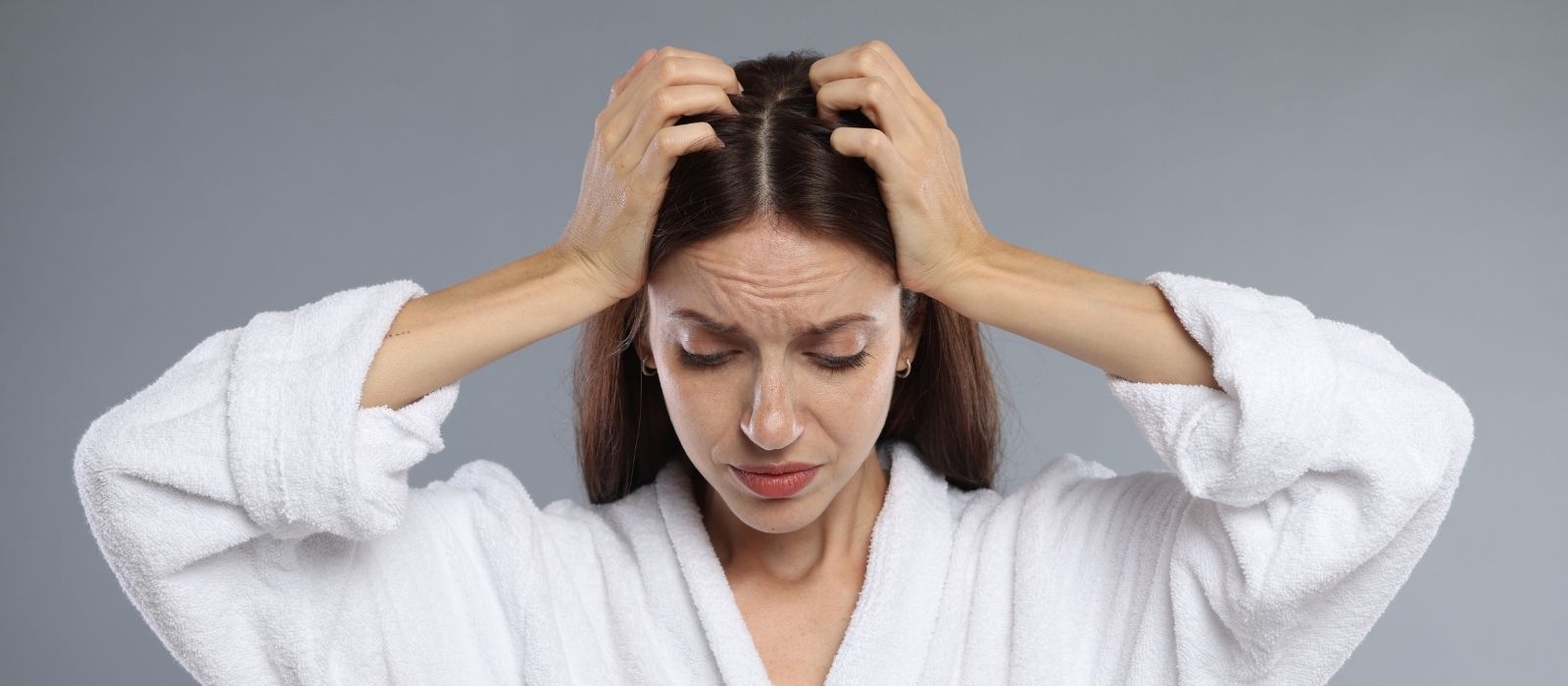
You run your fingers through your hair and feel them — small bumps that weren't there before, or catch flakes falling onto your shoulders despite washing your hair yesterday. Your scalp feels tender, maybe itchy, and you're wondering if this is something serious or just an annoying phase that'll pass.
Most scalp issues share similar symptoms, which makes self-diagnosis tricky. Those bumps could be anything from clogged follicles to an autoimmune condition. The flakes might be simple dryness or a fungal overgrowth. Without knowing exactly what you're dealing with, you'll waste money on products that don't match your actual problem.
Here's what matters: different scalp conditions need completely different treatments. Using a dandruff shampoo on seborrheic dermatitis might help temporarily, but treating folliculitis with anti-fungal products won't clear bacterial bumps. Getting the diagnosis right determines whether your scalp heals or stays irritated.
The Most Common Scalp Bumps and What They Actually Are
Folliculitis creates small, pus-filled bumps around hair follicles. They're usually red, sometimes painful, and appear in clusters. This happens when bacteria — typically Staphylococcus aureus — infects the follicle opening. Tight hairstyles, excessive heat styling, and certain protective styles worn too long create the perfect conditions for bacterial growth.
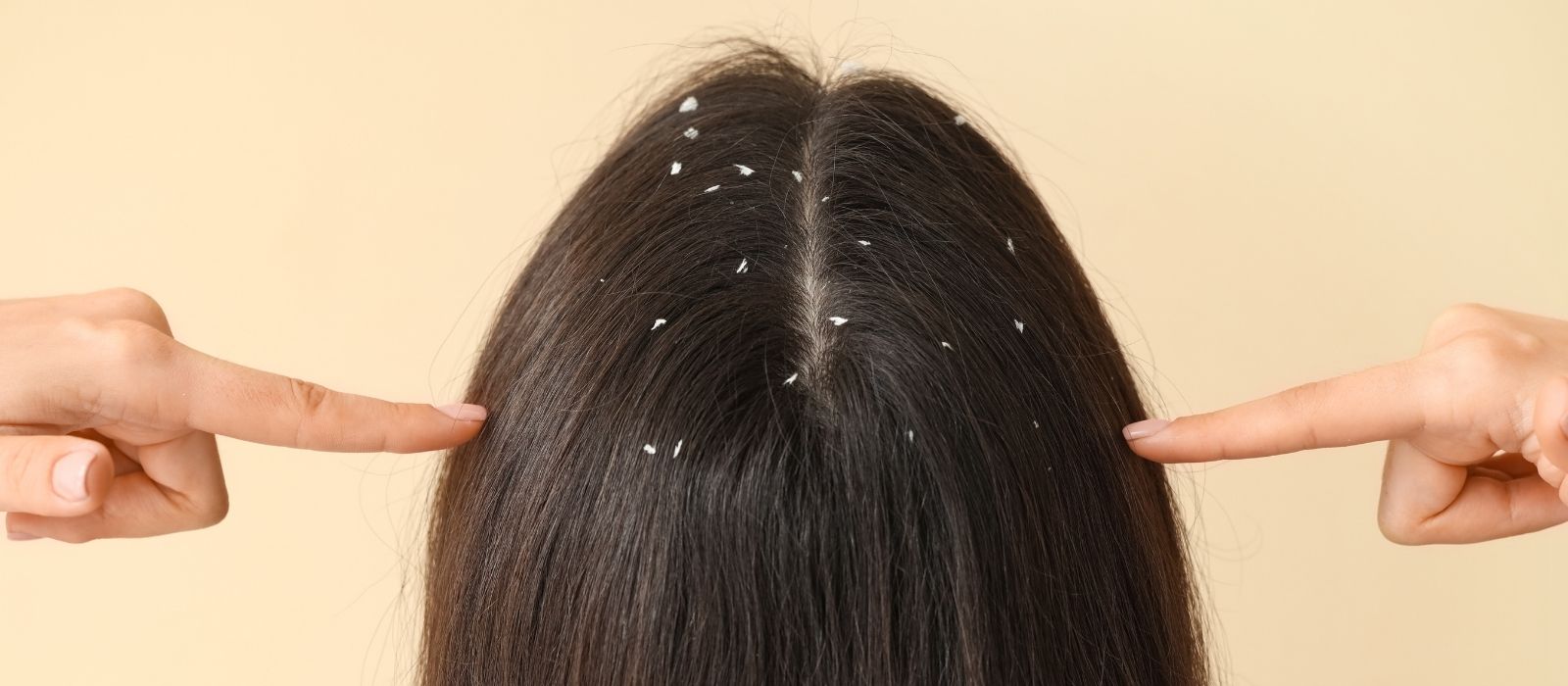
Seborrheic dermatitis shows up as yellowish, greasy scales with redness underneath. The flakes stick to your scalp instead of brushing off easily like dry skin would. This condition stems from an overgrowth of Malassezia yeast combined with your scalp's natural oil production. Stress increases cortisol levels, which can trigger flare-ups by disrupting your skin's natural balance.
Scalp psoriasis creates thick, silvery-white scales that extend beyond your hairline onto your forehead, neck, and behind your ears. The patches feel raised and clearly defined, unlike the diffuse irritation of seborrheic dermatitis. This autoimmune condition speeds up skin cell turnover, causing cells to pile up faster than they can shed naturally.
Different Types of Flakes Need Different Solutions
Dry scalp flakes are small, white, and brush off your hair easily. Your entire scalp feels tight and itchy, especially after washing. This usually happens from over-washing, harsh shampoos, or dry indoor air during winter months. Regular moisturizing shampoos and limiting washing to 2-3 times per week typically clears this up within two weeks.
Dandruff creates larger, oilier flakes with a yellowish tint. Your scalp produces excess oil, but you still get flaking because Malassezia yeast feeds on those oils and creates irritating byproducts. The key difference between dry scalp and dandruff is oil production — dandruff happens on oily scalps, not dry ones.
Seborrheic dermatitis flakes stick to your scalp and hair like glue. They're thick, greasy, and often have a slight odor. The affected areas look inflamed and feel tender. This condition requires antifungal treatments, not just moisturizing products.
Treatment Approaches That Actually Work
For folliculitis, stop using heavy oils and tight hairstyles immediately. Switch to a gentle, sulfate-free shampoo and apply a topical antibiotic like mupirocin twice daily. Most cases clear within 7-10 days with consistent treatment.
Seborrheic dermatitis responds to ketoconazole shampoo used twice weekly, combined with a daily gentle cleanser on off days. Maintaining proper scalp health prevents recurrence better than treating flare-ups after they start.
Scalp psoriasis needs prescription treatments — over-the-counter options won't penetrate those thick scales effectively. Dermatologists typically prescribe topical corticosteroids or calcipotriene, sometimes combined with salicylic acid to help remove built-up scales first.
Home remedies like tea tree oil can help mild cases of folliculitis and seborrheic dermatitis, but they won't clear severe infections or autoimmune conditions. If your symptoms persist after two weeks of consistent treatment, or if you develop fever, spreading redness, or hair loss, see a dermatologist for proper diagnosis and prescription treatments.
FAQ
how do i know if my scalp bumps are infected
Infected scalp bumps feel warm, are filled with pus, and create spreading redness around the bump. You might develop swollen lymph nodes behind your ears or at the base of your skull. Fever, increasing pain, and red streaks extending from the bumps signal serious infection requiring immediate medical attention.
can scalp problems cause hair loss
Yes, chronic inflammation from untreated folliculitis, severe seborrheic dermatitis, and scalp psoriasis can damage hair follicles permanently. Constant scratching creates additional trauma. Most hair loss from scalp conditions is temporary and grows back once the underlying problem is treated properly.
why do my scalp problems keep coming back
Scalp conditions often recur because you're treating symptoms instead of underlying causes. Hormonal changes, stress, diet, and environmental factors all influence scalp health. Additionally, some conditions like seborrheic dermatitis and psoriasis are chronic conditions that require ongoing management, not one-time cures.