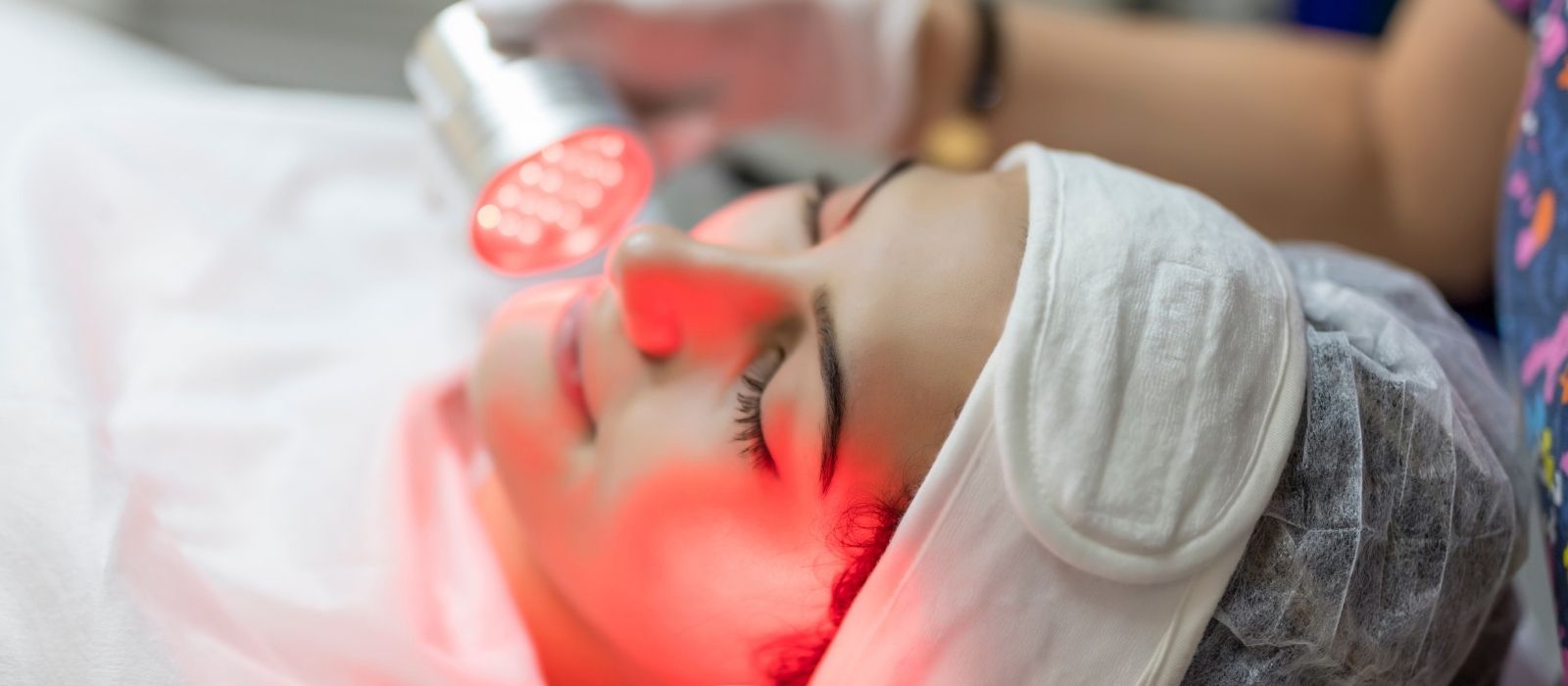
Red light therapy promises to regrow hair without side effects. Here's what the clinical research actually shows about LED devices for hair loss and thinning.
You see the ads everywhere. LED caps promising to regrow hair in just minutes a day. Before-and-after photos showing dramatic transformations. Price tags ranging from $200 to $2,000 for devices that look like something from a science fiction movie.
The pitch sounds too good to be true: painless light therapy that stimulates dormant hair follicles back to life. No prescriptions, no side effects, no messy topical treatments. Just strap on a helmet and let the red light do the work.
But here's what the research actually shows: red light therapy for hair growth does work, but not the way most companies market it. The results are modest, take months to appear, and only help certain types of hair loss. Most importantly, the devices that actually work in clinical studies cost significantly more than the consumer versions flooding the market.
How Red Light Therapy Works for Hair Growth
Red light therapy uses specific wavelengths of light — typically between 660 and 850 nanometers — to penetrate the scalp and reach hair follicles. The technical term is photobiomodulation, and it works by stimulating cellular energy production in follicles that have started to shrink but haven't completely shut down.
Your hair follicles contain mitochondria, the powerhouses of cells. When these mitochondria receive red light at the right wavelength and intensity, they produce more ATP (adenosine triphosphate), which is cellular fuel. More energy means follicles can stay in their active growth phase longer and produce thicker hair strands.
The process also increases blood flow to the scalp and reduces inflammation around follicles. This creates a better environment for hair growth by delivering more nutrients and removing waste products that can interfere with the hair cycle.
But here's the catch: this only works if your follicles are still alive but miniaturized. If you've had completely bald patches for years, red light therapy won't bring those follicles back to life. It's a treatment for thinning hair, not complete hair loss.
What the Clinical Studies Actually Show
The most comprehensive study on red light therapy for hair growth was published in the American Journal of Clinical Dermatology in 2019. Researchers analyzed data from over 680 participants across multiple trials and found that red light therapy increased hair density by an average of 35% after 16-26 weeks of treatment.
That sounds impressive until you dig into the details. The participants used professional-grade devices with specific parameters: 655 nanometer wavelength, 5 milliwatts per square centimeter power density, and treatment sessions lasting 25 minutes every other day. Most consumer devices don't meet these specifications.
A 2020 study from Harvard Medical School found that women with androgenetic alopecia saw the best results, with hair count increasing by 51% after 26 weeks. Men had more modest improvements, with hair count increasing by 35%.
The key finding across all studies: red light therapy works best for early-stage hair loss. If you're just noticing your hair getting thinner or your part widening, you're more likely to see results than someone with advanced hair loss.
Consumer Devices vs Professional Treatment
Most consumer LED caps and helmets don't deliver the light intensity used in clinical studies. Professional devices typically output 5-30 milliwatts per square centimeter, while many home devices deliver less than 1 milliwatt per square centimeter.
The FDA has cleared several devices for hair growth, including the HairMax LaserComb series and the Capillus laser caps. These range from $500 to $3,000 and contain 80-272 laser diodes. The cheaper devices with 20-40 LEDs rarely produce clinically meaningful results.
Professional treatments at dermatology offices use even more powerful devices. These sessions cost $75-150 each and require 2-3 treatments per week for several months. The total investment often exceeds $3,000, but the results tend to be more consistent than home devices.
Realistic Expectations and Timeline
If red light therapy works for your hair loss pattern, don't expect overnight results. Most studies show initial improvements after 12-16 weeks of consistent use. Peak results typically appear after 6-9 months of treatment.
The improvements are also incremental. You're looking at 30-50% increased hair density, not a complete transformation. Existing hairs may become thicker and stronger, but you won't suddenly have the hairline you had at 20.
Red light therapy works best when combined with other treatments. Maintaining scalp health through proper cleansing and regular massage can enhance the effects. Some people also combine red light therapy with minoxidil or other FDA-approved hair loss treatments.
The treatment requires ongoing commitment. If you stop using red light therapy, any gains typically reverse within 3-6 months. This isn't a permanent solution but rather a maintenance treatment that needs to become part of your routine.
Red light therapy offers a legitimate, side-effect-free option for early-stage hair loss, but only with the right device, consistent use, and realistic expectations. Understanding what's causing your hair loss first will help determine if this treatment makes sense for your situation.
Frequently Asked Questions
Does red light therapy work for all types of hair loss?
Red light therapy primarily helps androgenetic alopecia (male and female pattern baldness) and some cases of diffuse thinning. It doesn't work for alopecia areata, scarring alopecia, or hair loss from medical treatments like chemotherapy.
How long do you need to use red light therapy to see results?
Most clinical studies show initial improvements after 12-16 weeks of consistent use, with peak results appearing after 6-9 months. You need to use the device 3-4 times per week for 20-30 minutes per session.
Are cheap LED hair growth caps worth buying?
Most devices under $300 don't deliver the light intensity or wavelength specifications used in clinical studies. FDA-cleared devices from companies like HairMax or Capillus are more likely to produce results but cost $500-3,000.