Your edges are thinning from tension, chemicals, or genetics. Learn the real causes behind edge loss and proven methods to regrow your hairline naturally.
You reach for your scarf without thinking. The headband gets positioned just right. Your baby hairs aren't baby hairs anymore — they're gone, along with patches of your hairline that used to frame your face.
Edge thinning hits differently because it's visible. You can hide hair loss on top of your head with styling, but edges sit right at your face. The causes range from everyday styling habits to deeper health issues, and knowing which one applies to you determines whether your hairline can bounce back.
Most edge loss comes from traction alopecia — sustained pulling that damages hair follicles over time. Tight ponytails, braids pulled too snug, edges slicked with gel daily, and sleeping without a satin pillowcase all create constant tension. Your follicles get inflamed, then damaged, then stop producing hair entirely.
What Actually Causes Edge Thinning
Chemical relaxers and texturizers cause edge loss because the hairline processes faster than the rest of your head. The chemicals sit on delicate edge hair longer during application, breaking down the hair shaft and burning the scalp underneath. Once follicles get chemically burned, they struggle to produce healthy hair.
Hormonal changes tank your hairline too. Postpartum hair loss typically starts at the edges before affecting the crown. PCOS increases androgens that shrink hair follicles, especially around your hairline. Menopause drops estrogen levels, which normally protect edge hair from hormone-related thinning.
Autoimmune conditions like alopecia areata create patchy hair loss that often starts at the edges. Your immune system attacks hair follicles it mistakes for foreign invaders. This shows up as smooth, round bald spots along your hairline that can expand if untreated.
Chronic stress disrupts your hair cycle, pushing follicles into a resting phase where they stop producing hair for months. Edge hair enters this phase first because it's already fragile from daily manipulation.
How to Tell If Your Edges Will Grow Back
Run your finger along your hairline. If you feel small bumps where hair used to grow, those are follicles that can still produce hair. Completely smooth skin means the follicles have been destroyed and won't regenerate without medical intervention.
Recent edge loss from stress, postpartum changes, or temporary styling damage usually grows back within 6-12 months once you remove the cause. Edge loss from years of tight styling or repeated chemical damage takes longer and may not fully recover.
Check your scalp health too. Healthy scalp skin looks pink or matches your skin tone. Red, flaky, or irritated scalp around your edges signals inflammation that blocks hair growth. Treating scalp conditions becomes priority one before focusing on regrowth.
Methods That Actually Regrow Edges
Stop all tension immediately. No tight ponytails, no edges slicked down with gel, no headbands or hats that press against your hairline. Sleep on a satin pillowcase or wear a satin scarf. This alone allows damaged follicles to recover.
Minoxidil 2% works for edge regrowth when used consistently for at least six months. Apply it directly to clean, dry scalp along your hairline twice daily. Studies from the American Academy of Dermatology show it regrows hair in 60% of women with traction alopecia when the follicles aren't completely destroyed.
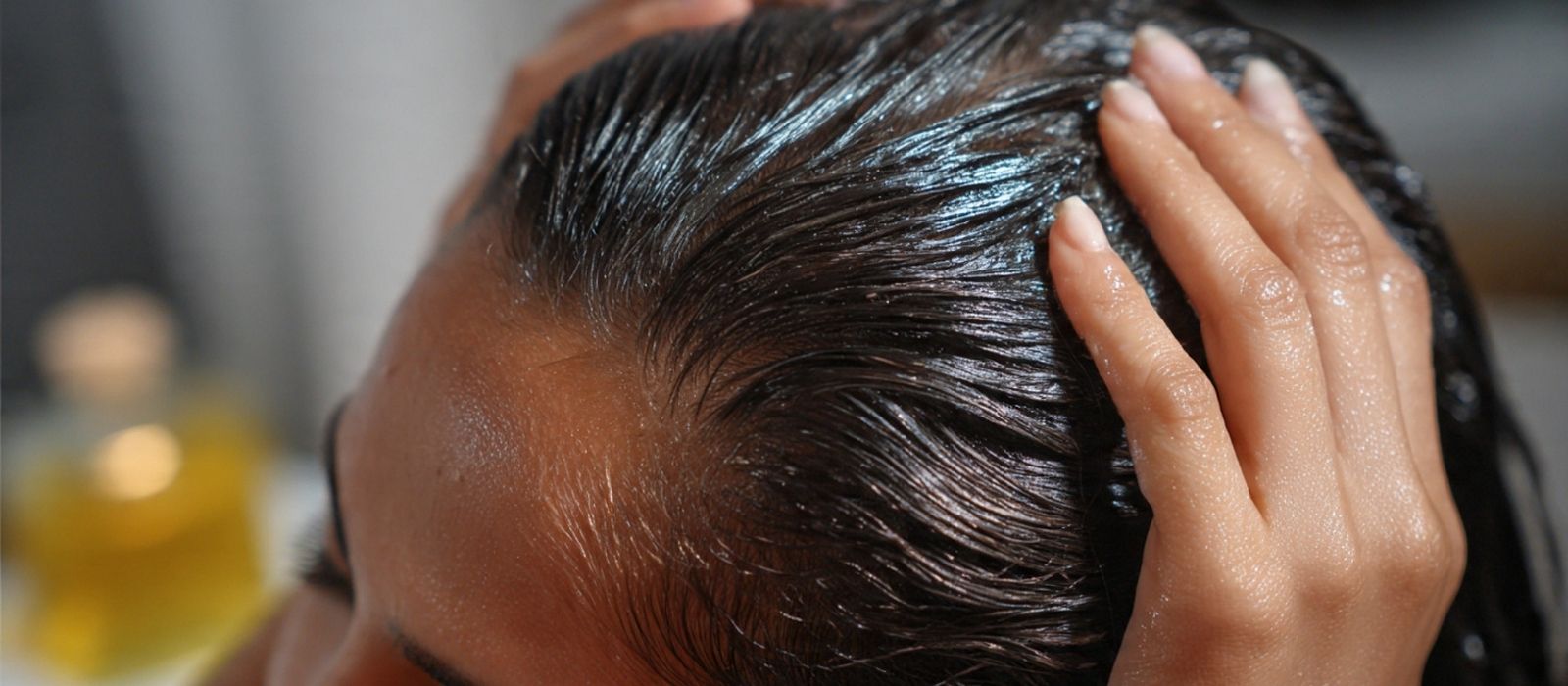
Daily scalp massage increases blood flow to hair follicles around your edges. Use your fingertips to massage in small circles for 5 minutes before bed. Research from Eplasty journal found this technique increased hair thickness in 69% of participants after 24 weeks.
Rosemary oil matches minoxidil's effectiveness without the prescription. Mix 5 drops into a carrier oil like jojoba and massage into your edges nightly. A study in SKINmed journal found rosemary oil produced the same hair regrowth as 2% minoxidil after six months of use.
Regular oiling treatments keep existing edge hair strong while new growth comes in. Castor oil contains ricinoleic acid that reduces scalp inflammation. Apply it to your edges 2-3 times per week and leave on overnight.
When to See a Professional
Visit a dermatologist if your edge loss happened suddenly, covers large areas, or includes patches of completely smooth skin. These signs point to conditions like alopecia areata or scarring alopecia that need medical treatment.
Prescription treatments like topical corticosteroids or immunotherapy can restart hair growth in autoimmune-related edge loss. Hair transplants work for edges when follicles are completely destroyed, but only if the underlying cause has been addressed first.
Blood tests can reveal hormone imbalances, thyroid issues, or nutritional deficiencies causing your edge loss. Treating the root cause stops further thinning and improves regrowth success.
Frequently Asked Questions
How long does it take for edges to grow back
Edges typically take 3-6 months to show new growth and 12-18 months to fully recover, depending on the cause and severity of damage. Hair grows about half an inch per month, so visible length takes time even after follicles restart production.
Can you regrow edges after years of damage
Edges can regrow after years of damage if the hair follicles are still alive but dormant. Complete follicle destruction from severe chemical burns or chronic inflammation may require medical treatments like hair transplants for restoration.
Do edges grow slower than regular hair
Edge hair grows at the same rate as other hair on your head, but it's naturally finer and more fragile. This makes it more susceptible to breakage and damage, which can make regrowth appear slower even when follicles are producing new hair normally.