Discover exactly how sleep affects your skin, hair and beauty overnight. Learn what happens during each sleep stage and how to optimize your rest for better results.
You wake up after a full eight hours and your skin looks worse than when you went to bed. Your hair's flat, your eyes are puffy, and that expensive night cream didn't seem to do anything. Meanwhile, your friend gets five hours of sleep and somehow glows the next morning.
The difference isn't genetics or luck. It's understanding how sleep affects your skin hair and beauty overnight, and what actually happens during those crucial recovery hours. Your body doesn't just shut down when you sleep — it runs a complex repair program that determines whether you wake up looking refreshed or like you fought your pillow all night.
Most people think sleep is passive rest, but your skin and hair are actually working harder at night than during the day. Blood flow increases, cell turnover accelerates, and growth hormones peak. Miss out on quality sleep, and these processes get interrupted. The result shows up immediately in dull skin, brittle hair, and that tired look that no concealer can fix.
What Actually Happens to Your Skin While You Sleep
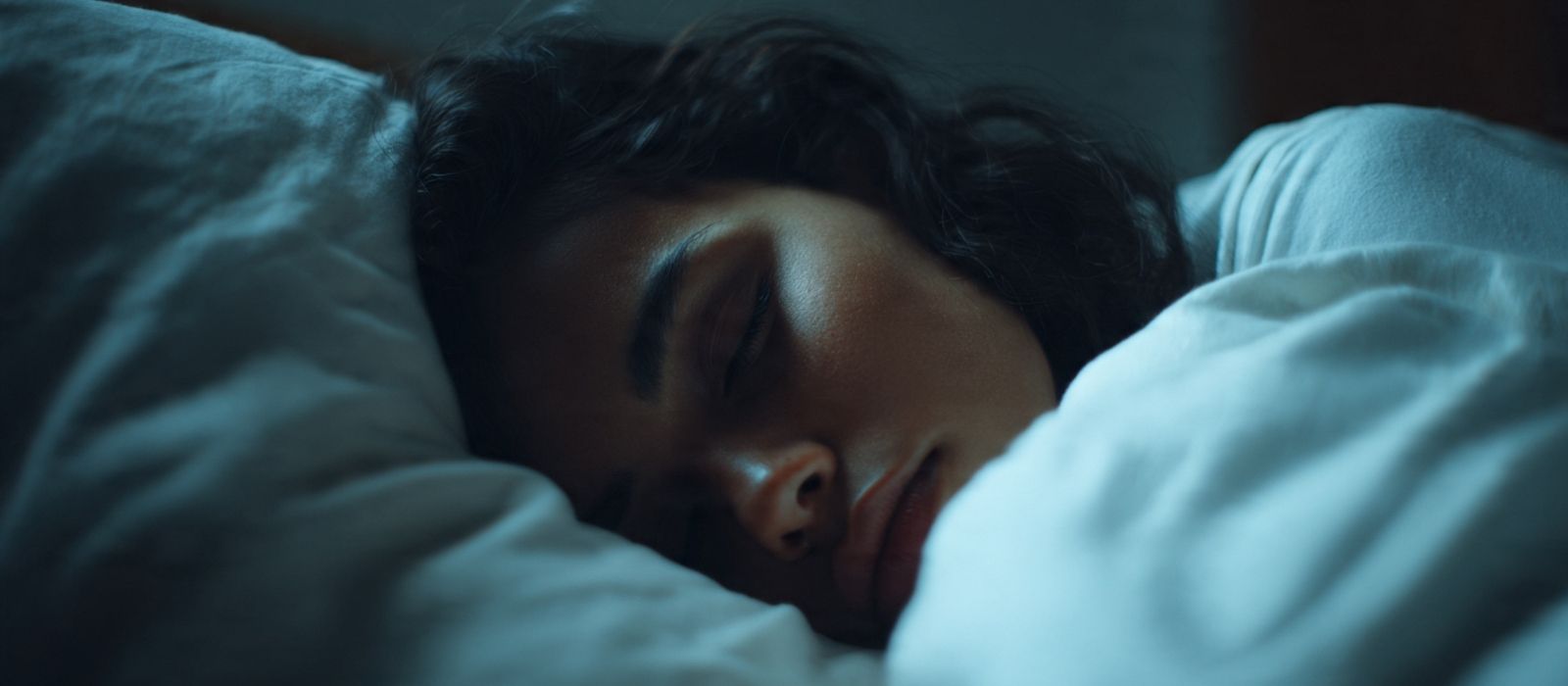
Your skin goes into overdrive during sleep, but the magic happens in stages. Between 10 PM and 2 AM, your body produces the most growth hormone. This hormone triggers cell regeneration and collagen production — the processes that keep your skin firm and smooth. Without enough deep sleep during these hours, your skin can't complete its repair cycle.
Blood flow to your skin increases by up to 50% during sleep. This extra circulation delivers nutrients and oxygen while carrying away toxins that built up during the day. Poor circulation from interrupted sleep means less nutrient delivery and more toxin buildup, leading to that gray, tired complexion.
Your skin also loses water faster at night — up to 25% more than during the day. This transepidermal water loss is normal, but if you're not getting quality sleep, your skin barrier can't regulate properly. You'll wake up with dehydrated, tight skin that shows every fine line.
How Sleep Impacts Your Hair Growth and Health
Hair growth happens primarily during sleep, specifically during the anagen phase when hair follicles are most active. Growth hormone doesn't just repair skin — it also stimulates hair follicles and promotes protein synthesis needed for strong hair strands.
Sleep deprivation increases cortisol levels, and elevated cortisol disrupts the hair growth cycle. High cortisol damages hair follicles and can push hair into the resting phase prematurely, leading to thinning and shedding.
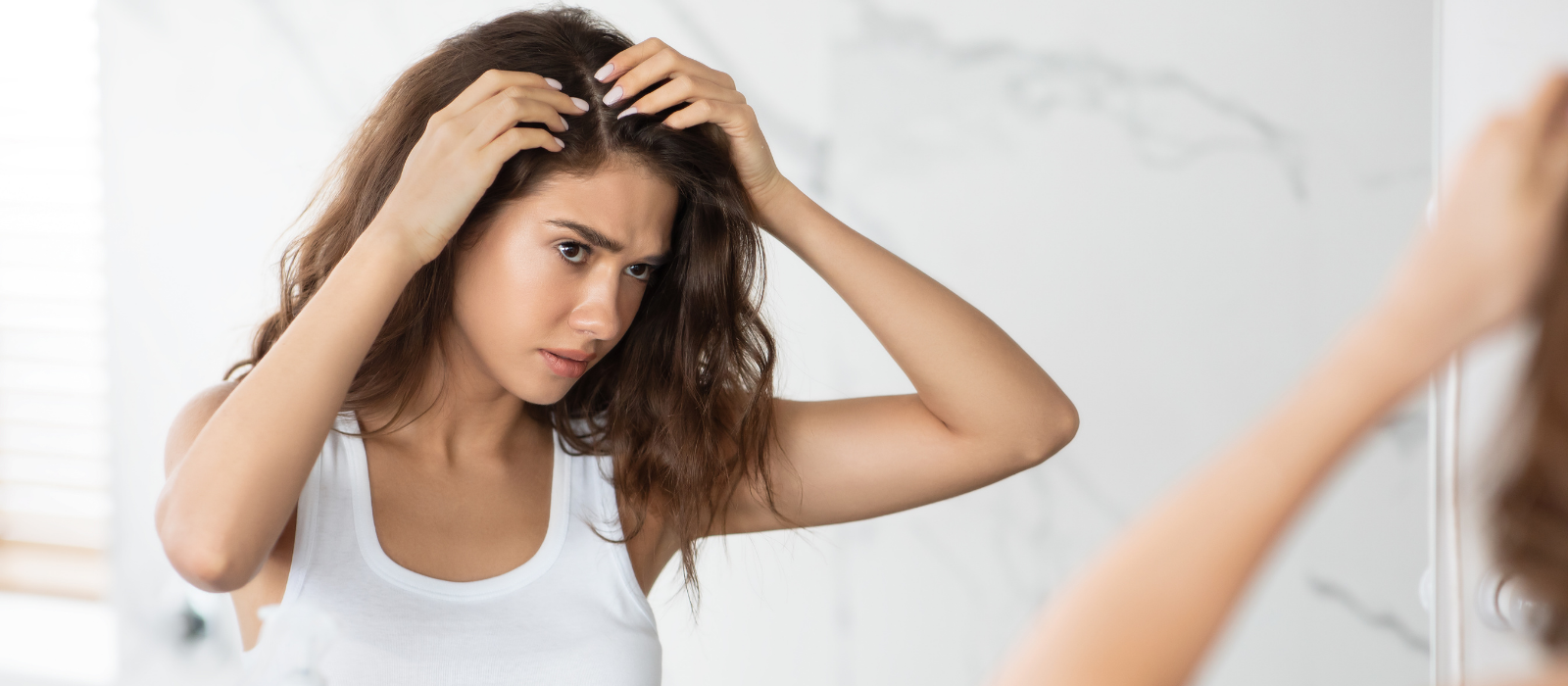
Your scalp also benefits from increased nighttime circulation. Better blood flow means more nutrients reach hair follicles, supporting healthier growth. Poor sleep restricts this circulation, leaving follicles undernourished and more prone to producing weak, brittle hair.
The Sleep Position Factor Nobody Talks About
How you sleep matters as much as how long you sleep. Sleeping on your side or stomach creates friction and pressure that can cause hair breakage and skin irritation. Cotton pillowcases absorb moisture from your skin and hair, leaving both drier by morning.
Silk or satin pillowcases reduce friction and don't absorb moisture the way cotton does. They're not just luxury items — they actually protect your hair cuticles and help maintain your skin's hydration overnight.
Sleeping with your hair in tight styles or elastic bands restricts blood flow to follicles and creates tension that can lead to breakage. Loose protective styles work better for overnight wear.
What Ruins Your Overnight Beauty Recovery
Alcohol disrupts sleep architecture, preventing you from reaching deep sleep phases when most repair happens. Even one drink can reduce the quality of your recovery sleep by up to 24%.
Screen time before bed suppresses melatonin production, which regulates not just sleep but also cellular repair processes. Blue light exposure within two hours of bedtime can delay your skin's repair cycle by several hours.
Sleeping in a hot room forces your body to work harder to regulate temperature, diverting energy from repair processes. The optimal temperature for beauty sleep is between 60-67°F (15-19°C).
Simple Changes That Actually Work
Sleep with your head slightly elevated to reduce morning puffiness. An extra pillow prevents fluid from pooling around your eyes and face overnight.
Apply products with active ingredients like retinol or peptides before bed when your skin is most receptive to repair. Your increased nighttime circulation helps these ingredients penetrate deeper and work more effectively.
Natural approaches like scalp massage before bed can boost circulation and promote both better sleep and healthier hair growth. Even five minutes makes a difference.
Consistent sleep timing matters more than total hours. Going to bed and waking up at the same time every day helps optimize your body's repair schedule. Your skin and hair adapt to predictable rhythms and work more efficiently when they know what to expect.
FAQ
How many hours of sleep do I need for healthy skin and hair?
Most adults need 7-9 hours, but consistency matters more than hitting an exact number. Your skin completes its repair cycle in roughly 6 hours, so anything less than that interrupts the process. The key is getting enough deep sleep during the first half of the night when growth hormone peaks.
Why does my hair look flat after sleeping even with good pillowcases?
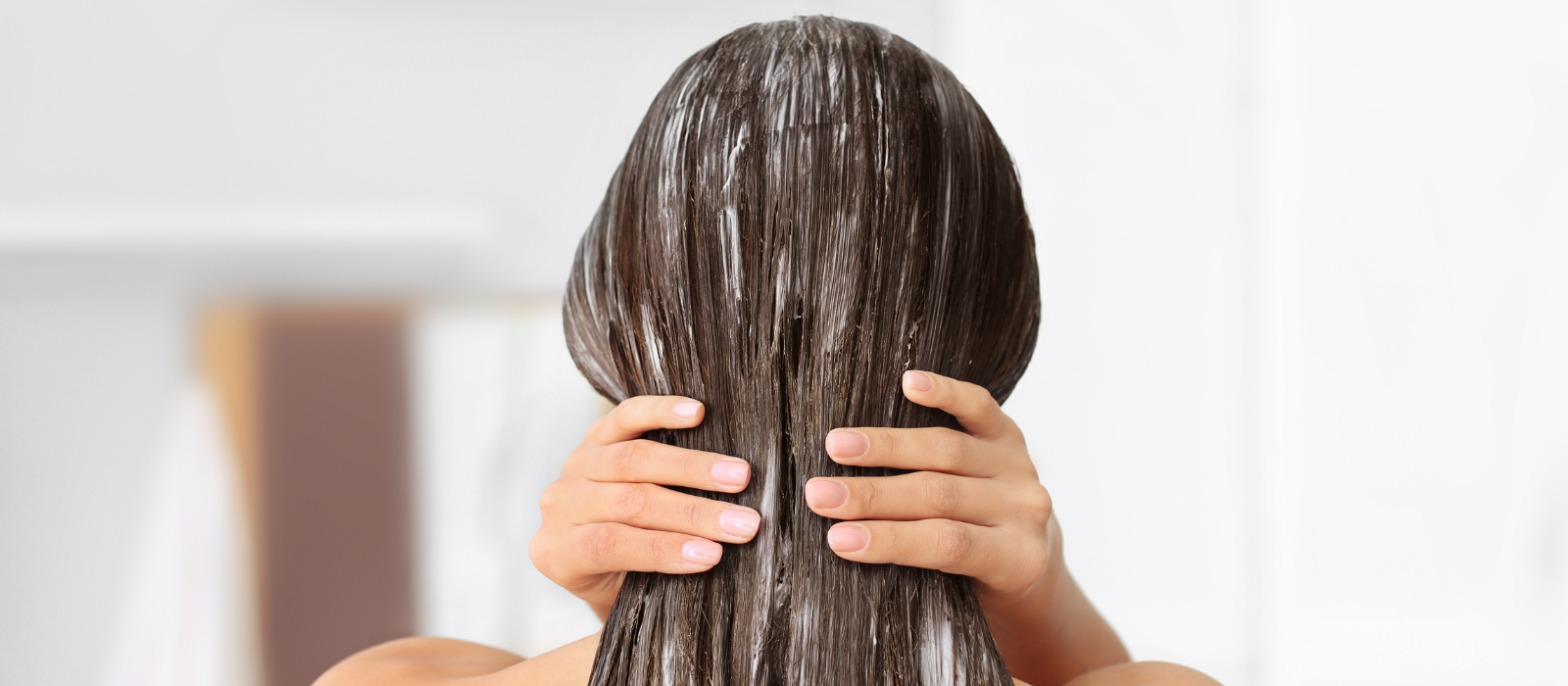
Flat hair after sleeping usually means you're losing too much moisture overnight or creating too much friction. Try sleeping with your hair in a loose braid or silk scarf, and consider using a leave-in treatment before bed. Pre-sleep hair oiling can also protect strands and add volume.
Can naps replace lost nighttime sleep for skin and hair health?
Naps can help with fatigue, but they can't fully replace nighttime sleep for beauty benefits. Growth hormone production and deep cellular repair happen primarily during extended nighttime sleep cycles. A 20-30 minute nap won't disrupt your repair schedule, but longer naps or evening naps can interfere with your skin's overnight recovery process.