Winter's dry air and indoor heating strip moisture from your skin and hair. Learn the science behind winter damage and proven fixes that actually work.
Your skin starts flaking in November. Your hair turns to straw by December. By February, you're slathering on thick creams that barely make a dent, wondering why your summer glow disappeared so completely.
Winter doesn't just make your skin and hair look worse — it fundamentally changes how they function. Cold air holds less moisture than warm air, dropping humidity levels to desert-like conditions. When outdoor humidity falls below 30%, your skin loses water faster than it can replace it. Add indoor heating that strips even more moisture from the air, and you're dealing with humidity levels that can drop to 10-20%. That's drier than most deserts.
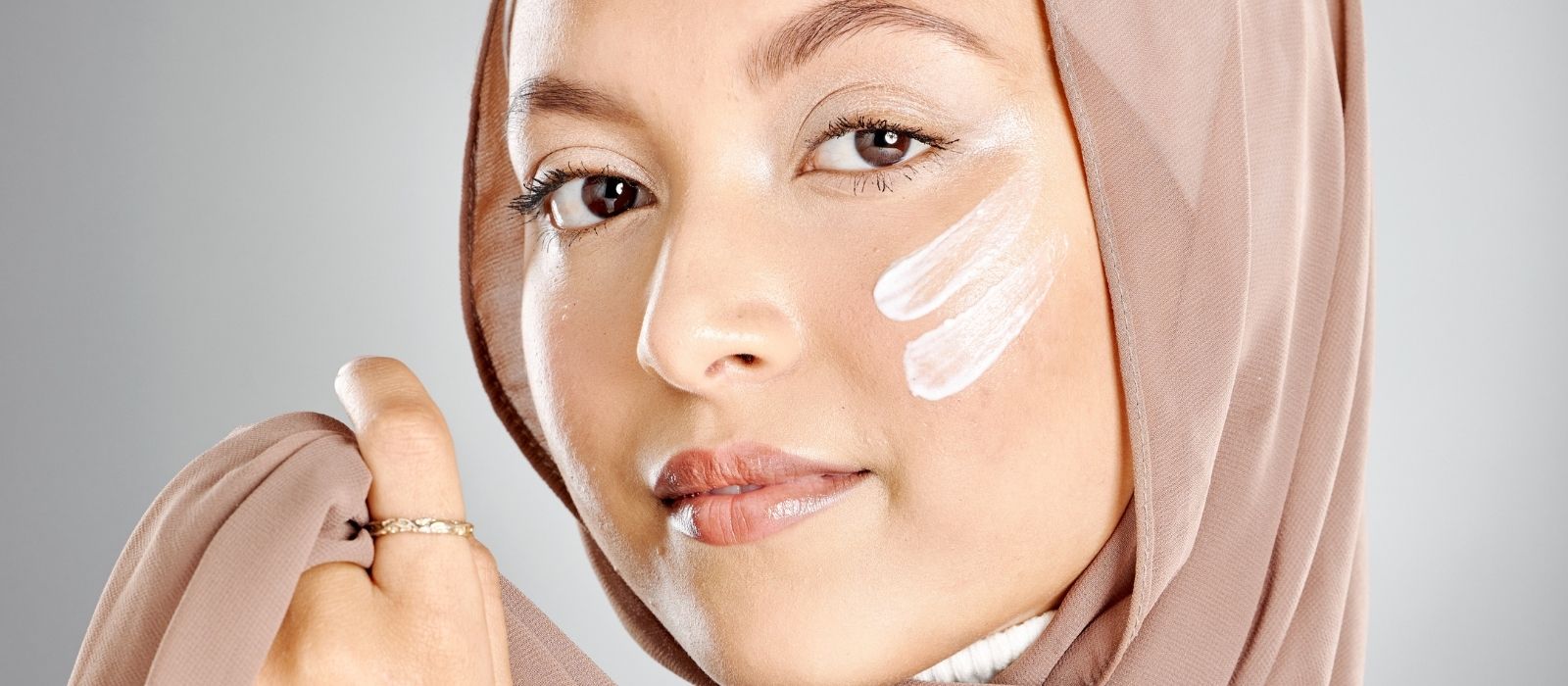
Your skin barrier — the outermost layer that keeps moisture in and irritants out — starts breaking down when exposed to these conditions for weeks. Hair shafts swell and contract as they lose and absorb tiny amounts of moisture from dry air, creating microscopic cracks that make strands brittle and prone to breakage.
Why Your Skin Gets Worse in Winter
Your skin produces less oil when temperatures drop. Sebaceous glands slow down their oil production in response to cold, meaning less natural protection for your skin barrier. At the same time, hot showers — which feel amazing when it's freezing outside — strip away the oils you do have. Water temperatures above 98°F dissolve your skin's natural lipid layer.
The result is transepidermal water loss — your skin loses moisture through tiny gaps in a compromised barrier. This happens fastest on areas with fewer oil glands: your shins, forearms, and the delicate skin around your eyes. These spots turn rough and flaky first because they have the least natural protection.
Indoor heating systems compound the problem by creating convection currents that constantly move dry air across your skin. Forced air heating is particularly harsh — it can reduce indoor humidity to levels that would be considered extreme drought conditions outdoors.
What Happens to Your Hair in Winter
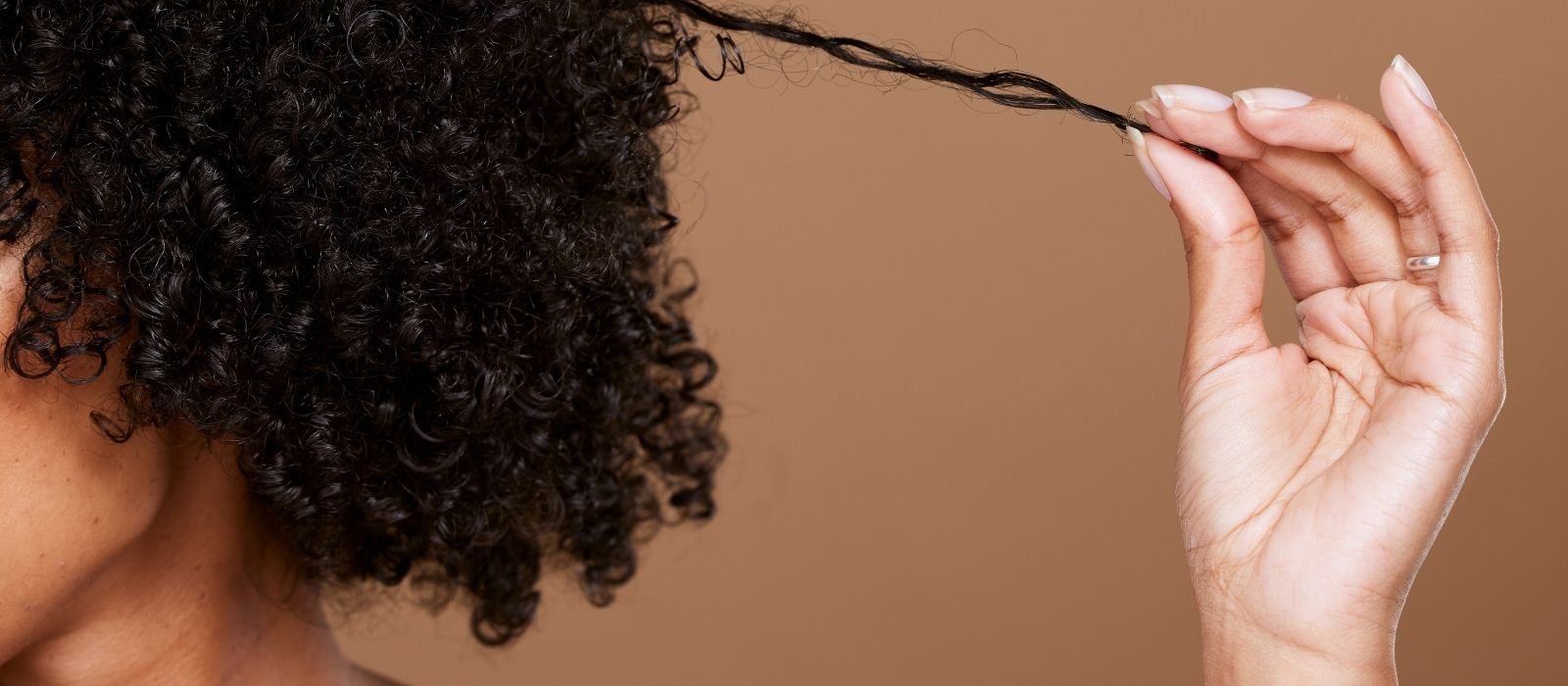
Hair is hygroscopic, meaning it absorbs and releases moisture based on the surrounding humidity. In dry winter air, your hair shafts lose water and shrink slightly. This shrinkage creates microscopic fissures in the hair cuticle — the protective outer layer. Once damaged, cuticles can't lay flat, making hair look dull and feel rough.
Static electricity becomes a major problem because dry air can't conduct electrical charges away from your hair. Each strand builds up a positive charge that repels other positively charged strands. That's why your hair literally stands up and flies away from brushes in winter.
Proven Fixes That Actually Work
Fix your environment first. A humidifier isn't optional — it's essential. Run one in your bedroom overnight, aiming for 40-50% humidity. Anything below 30% will continue damaging your skin and hair no matter what products you use. Place a hygrometer near your bed to track actual levels, not just the humidifier's display.
Lower your shower temperature to lukewarm. Hot water feels good, but anything above body temperature strips protective oils. Limit showers to 5-10 minutes and apply moisturizer to damp skin immediately after. This traps water in your skin before it can evaporate.
Switch to heavier moisturizers with ceramides, hyaluronic acid, or petrolatum. Lightweight summer lotions can't compete with winter's moisture-stripping conditions. Look for products with occlusive ingredients that create a barrier over your skin.
For hair, pre-shampoo oil treatments protect strands from harsh cleansing. Apply coconut, argan, or jojoba oil to dry hair 30 minutes before washing. This prevents shampoo from stripping too much natural oil while still cleaning your scalp effectively.
Sleep on silk or satin pillowcases to reduce friction that leads to breakage. Cotton pillowcases create drag against dry, fragile winter hair. The smooth surface of silk allows hair to glide instead of catching and breaking.
When to See a Professional
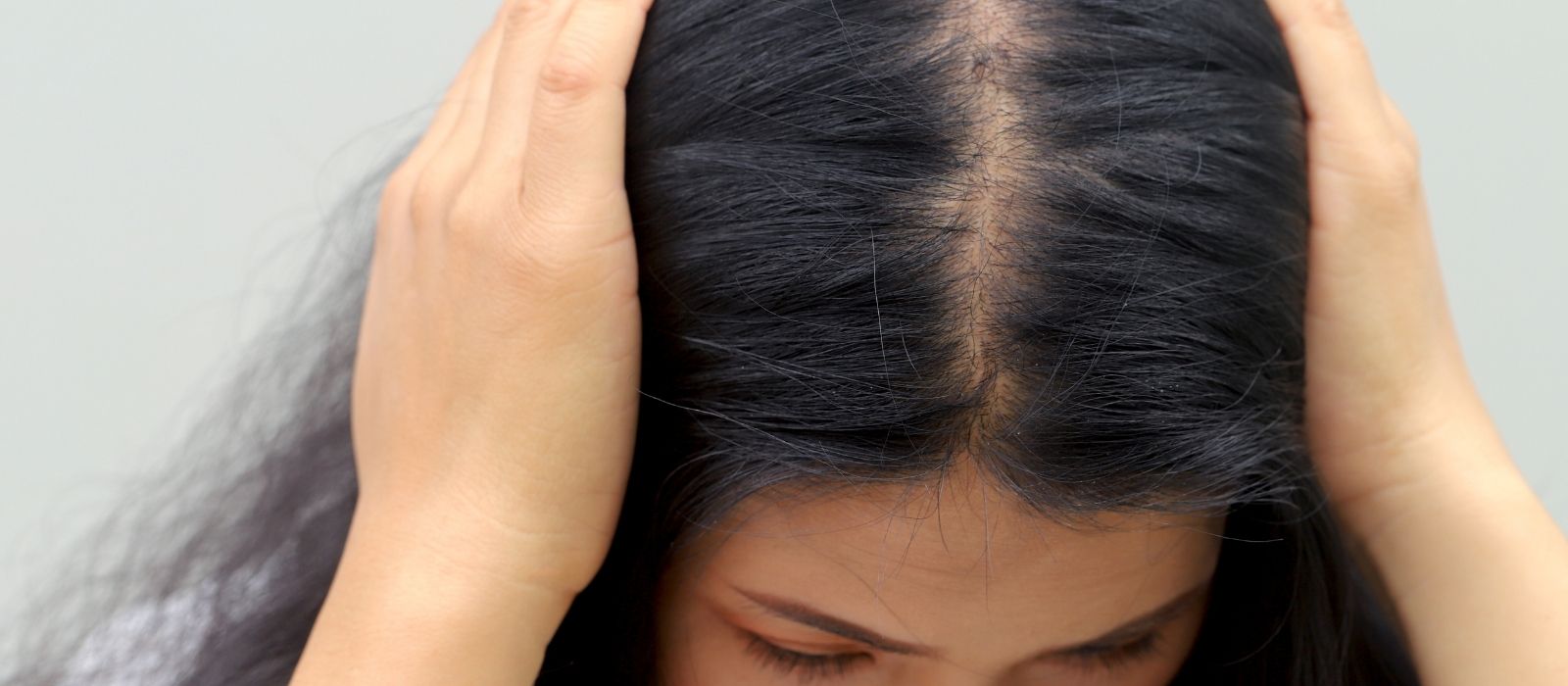
If your skin cracks, bleeds, or develops patches that won't heal with consistent moisturizing, see a dermatologist. Severe scalp flaking or irritation that doesn't improve with gentle care might indicate a condition beyond simple dryness.
Sudden hair texture changes or increased shedding could signal underlying issues unrelated to weather. Hormonal shifts, nutritional deficiencies, or stress often coincide with winter months but require different treatments than environmental damage.
Winter damage is preventable, not inevitable. The key is addressing the root cause — dry air — rather than just treating symptoms with endless products. Your skin and hair will start improving within days of consistent humidity and gentler cleansing routines.
FAQ
why does my skin get so dry in winter
Winter air holds much less moisture than summer air, and indoor heating strips even more humidity from your environment. This causes your skin to lose water faster than it can replace it, breaking down your natural moisture barrier and leading to dryness, flaking, and irritation.
how long does it take to fix winter hair damage
Surface improvements like reduced static and better shine happen within 1-2 weeks of using proper humidity and hair oils. Structural damage to hair cuticles takes longer — expect 6-8 weeks of consistent care to see significant improvement in texture and strength as new, healthier hair grows in.
does drinking more water help winter skin and hair
Drinking water helps overall hydration but won't fix winter skin and hair damage. The problem is external moisture loss, not internal dehydration. You need to address environmental factors like humidity levels and harsh cleansing routines rather than just increasing water intake.