Learn what facial gua sha actually does for your skin — from reducing puffiness to boosting circulation — plus what claims aren't backed by science.
You scrape a stone across your face for ten minutes and your cheekbones look sharper. Your jawline appears more defined. The puffiness under your eyes has disappeared. It feels like magic, but by afternoon, you're back to looking exactly like you did before.
That temporary transformation is exactly what facial gua sha does — and it's also the source of most confusion about this ancient practice. Social media shows dramatic before-and-after photos taken minutes apart, leading people to expect permanent facial restructuring from what's essentially a lymphatic massage technique.
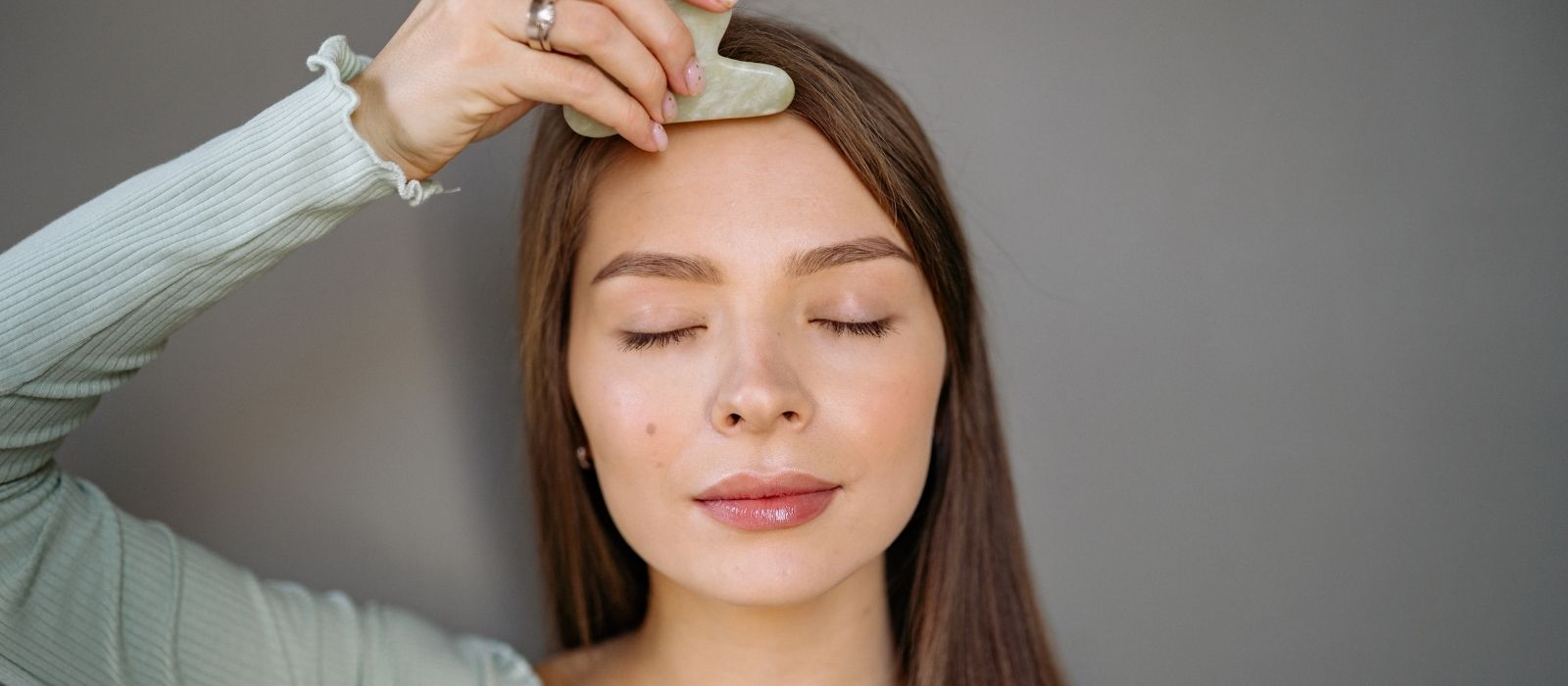
Gua sha works by improving fluid movement under your skin and temporarily increasing blood flow to the areas you scrape. The visible changes you see immediately after are real, but they're not permanent structural changes to your face. Understanding this difference helps you use gua sha for what it actually delivers instead of chasing results it can't provide.
What Gua Sha Actually Does to Your Face
The stone creates controlled friction that stimulates your lymphatic system — the network responsible for draining excess fluid from tissues. When you scrape upward and outward following your lymphatic pathways, you're manually moving fluid that's accumulated in your face overnight or throughout the day.
This fluid movement explains why gua sha works best on puffy morning faces or after crying. The fluid causing that puffiness gets redirected toward your lymph nodes, where it drains naturally. A study published in the Journal of Traditional Chinese Medicine found that gua sha increased local blood circulation by up to 400% immediately after treatment, which helps explain the temporary firmness and glow.
The pressure also releases tension in your facial muscles. If you clench your jaw, furrow your brow, or hold stress in your face, gua sha can temporarily relax those muscles, creating a softer, more relaxed appearance. This isn't permanent muscle retraining — it's temporary relief similar to what you'd get from any massage.
Blood flow increases for about 30 minutes after gua sha, which is why your skin looks plumper and more radiant immediately afterward. The increased circulation brings oxygen and nutrients to surface skin cells while helping remove metabolic waste. This creates a temporary brightening effect that fades as circulation returns to baseline.
The Claims That Don't Hold Up
Gua sha cannot permanently reshape your facial structure. Your bone placement, jaw width, and cheekbone height are genetically determined. No amount of scraping will create lasting changes to these features. The dramatic contouring effects you see in before-and-after photos are temporary fluid shifts, not bone remodeling.
It also can't replace professional treatments for serious skin concerns. Gua sha won't reduce deep wrinkles, fade significant hyperpigmentation, or treat active acne. The mechanical stimulation might temporarily plump fine lines by increasing blood flow, but it doesn't stimulate collagen production the way treatments like microneedling or retinoids do.
Claims about gua sha 'detoxifying' your skin aren't accurate either. Your liver and kidneys handle detoxification. Facial massage tools like gua sha stones can move lymphatic fluid, but they're not pulling toxins out through your skin.
Who Benefits Most From Regular Practice
People who wake up with facial puffiness see the clearest results. If you're someone whose face looks noticeably different in the morning versus evening due to fluid retention, daily gua sha can help manage that variation. The technique works particularly well for under-eye bags and overall facial swelling.
Those who hold tension in their face and jaw also benefit from the muscle-relaxing effects. If you grind your teeth, work at a computer all day, or carry stress in your facial muscles, the pressure release can provide genuine relief. Proper technique focuses on these tension points while following lymphatic pathways.
The practice works best as part of a broader skincare routine rather than a standalone treatment. Think of it as similar to facial massage — beneficial for circulation and relaxation, but not a replacement for active ingredients or professional treatments that address specific skin concerns.
What to Expect Realistically
Results are immediate but temporary. Your face will look less puffy and more defined right after gua sha, but these effects typically fade within a few hours. Regular practice might help you manage daily fluctuations in facial puffiness more effectively, but it won't create permanent structural changes.
The technique requires consistency to maintain benefits. Unlike treatments that build cumulative results over time, gua sha's effects reset daily. If reducing morning puffiness or managing jaw tension matters to you, daily practice works better than occasional sessions.
For people with darker skin tones, be aware that excessive pressure can cause temporary discoloration. The goal is gentle stimulation, not aggressive scraping that leaves marks.
FAQ
Does gua sha actually change your face shape permanently
No, gua sha cannot permanently change your facial structure. The contouring effects you see immediately after treatment come from temporary fluid movement and muscle relaxation, not bone remodeling. Your genetics determine your bone structure, and no topical technique can alter that.
How often should you do facial gua sha to see results
Daily practice works best for managing puffiness and muscle tension. Since the effects are temporary, consistent use helps maintain the benefits. Most people see immediate results after each session, but these fade within a few hours without regular practice.
Can gua sha help with wrinkles and fine lines
Gua sha can temporarily plump fine lines by increasing blood flow, but it doesn't prevent or treat wrinkles long-term. For lasting anti-aging results, you need treatments that stimulate collagen production, like retinoids or professional procedures. Gua sha works better as a complement to these treatments rather than a replacement.