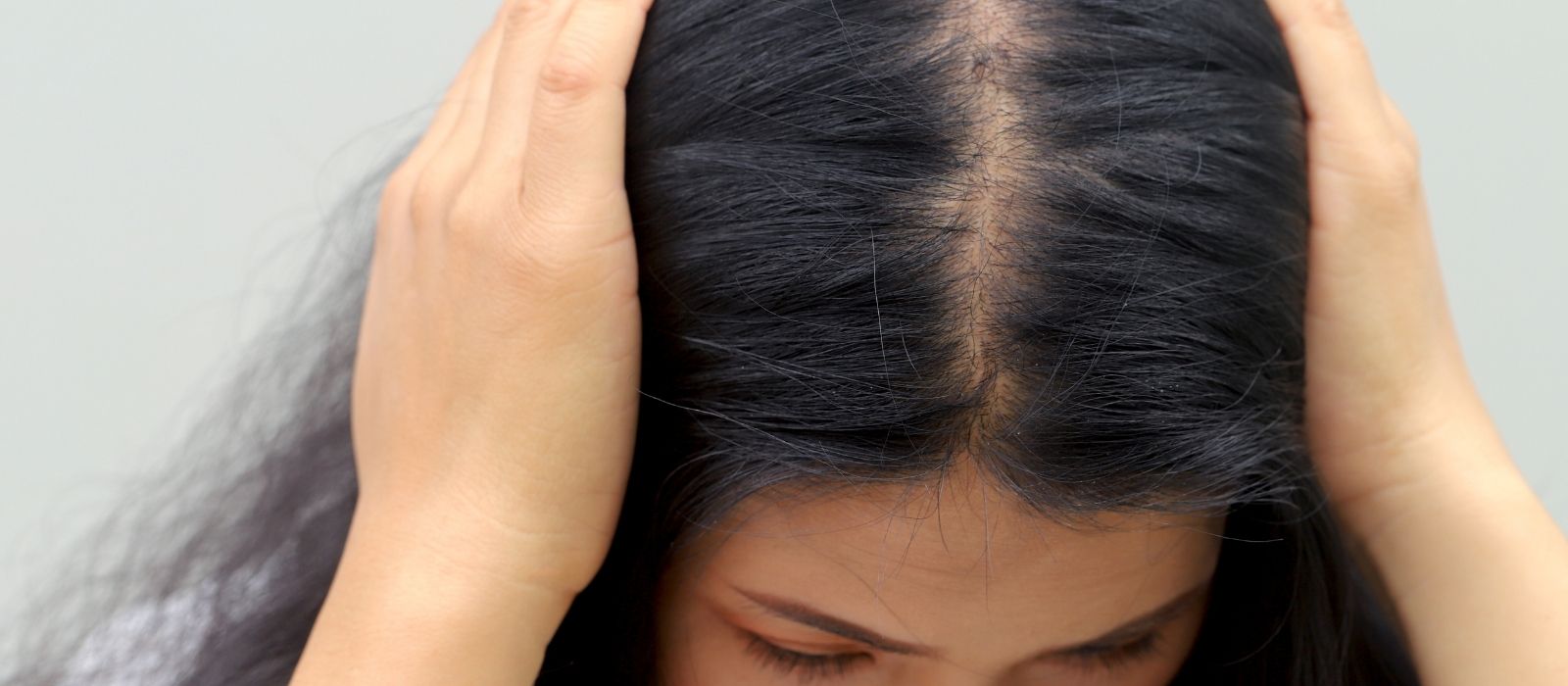
Your scalp health directly controls hair growth speed and strength. Learn why inflammation, buildup, and circulation issues block growth and exactly how to fix each problem for stronger, faster-growing hair.
You buy growth oils, take biotin, trim your ends religiously. Your hair still grows at the same sluggish pace it always has. The problem isn't what you're putting on your strands — it's what's happening underneath them.
Your scalp is where hair growth actually happens. Each follicle sits in this skin, getting nutrients from blood vessels and producing new cells that become your hair shaft. When your scalp is inflamed, clogged, or poorly circulated, follicles can't function properly. They produce weaker, slower-growing hair or sometimes stop producing hair altogether.
Most people treat their scalp like an afterthought. They focus on moisturizing lengths, sealing ends, and protecting hair from heat while ignoring the foundation where growth begins. But your scalp health determines everything — how fast your hair grows, how thick each strand is, and whether follicles stay active as you age.
How Your Scalp Actually Controls Hair Growth
Hair follicles need three things to produce healthy strands: oxygen-rich blood flow, clean pores, and balanced oil production. Your scalp provides all three when it's functioning correctly.
Blood vessels in your scalp carry nutrients and oxygen to the dermal papilla — the structure at the base of each follicle that feeds growing hair. When circulation is poor, follicles get less fuel. They respond by producing thinner, weaker hair and eventually entering a resting phase earlier than normal.
Sebaceous glands around each follicle produce sebum that keeps your scalp moisturized and creates an antimicrobial barrier. Too little sebum leads to dryness and irritation. Too much clogs pores and creates inflammation. Both scenarios slow growth.
The follicle opening itself needs to stay clear. When dead skin cells, product buildup, or excess oil block the opening, new hair struggles to emerge. This can cause follicles to weaken over time.
Why Most Scalp Problems Block Hair Growth
Inflammation is the biggest growth killer. When your scalp is inflamed — from dandruff, dry scalp conditions, or product reactions — your body diverts energy from hair production to healing. Chronic inflammation can cause follicles to shrink and eventually stop producing hair.
Product buildup creates a barrier that prevents your scalp from breathing properly. It can also trap bacteria and create an environment for fungal growth, leading to infections that directly damage follicles.
Poor circulation means follicles aren't getting the nutrients they need. This happens from tight hairstyles, stress that constricts blood vessels, or simply not moving blood flow to your scalp regularly.
Signs Your Scalp Health Is Affecting Your Hair Growth
Your hair tells you when your scalp isn't healthy. Slower growth is the most obvious sign, but there are others you might miss.
Hair that breaks easily often indicates follicles aren't producing strong strands because of compromised scalp health. If your hair feels thin or lacks volume, follicles might be producing narrower strands due to restricted blood flow or inflammation.
Excessive shedding beyond the normal 50-100 hairs per day can signal that follicles are entering resting phases prematurely. Itching, flaking, or tenderness are direct scalp health issues that will affect growth if left untreated.
Thinning edges or patchy areas often develop because those sections have particularly compromised scalp health from tension, buildup, or poor circulation.
How to Fix Your Scalp for Better Hair Growth
Start with clarifying. Use a gentle clarifying shampoo once a week to remove buildup without stripping natural oils. Look for ingredients like apple cider vinegar or salicylic acid that dissolve buildup without harsh sulfates.
Regular scalp massage increases blood flow to follicles. Use your fingertips to massage in small circles for 5-10 minutes daily. Don't use your nails — they can create micro-tears that lead to inflammation.
Keep your scalp balanced with the right washing frequency. Oily scalps need washing every 1-2 days to prevent clogged pores. Dry scalps should be washed 2-3 times per week to avoid over-stripping natural oils.
Address inflammation immediately. If you have dandruff, use a ketoconazole or zinc pyrithione shampoo. For general irritation, look for anti-inflammatory ingredients like tea tree oil or niacinamide.
Scalp oiling can improve circulation and provide antimicrobial benefits, but only if done correctly for your scalp type. Oily scalps need lighter oils like jojoba applied sparingly. Dry scalps can handle heavier oils like castor oil.
FAQ
How long does it take to see hair growth improvements from better scalp health?
You'll typically see improvements in hair strength and reduced breakage within 4-6 weeks of consistent scalp care. New growth from healthier follicles takes 2-3 months to become visible since hair grows about half an inch per month.
Can scalp health problems cause permanent hair loss?
Most scalp health issues cause temporary hair loss if treated properly. However, chronic inflammation or severe infections can damage follicles permanently. Androgenic alopecia and other genetic conditions require different treatment approaches than scalp health issues.
Should I see a dermatologist for scalp problems or try home remedies first?
Try gentle home remedies for 2-3 weeks if you have mild symptoms like occasional itching or light flaking. See a dermatologist immediately for severe itching, pain, open sores, sudden hair loss, or symptoms that worsen despite treatment.