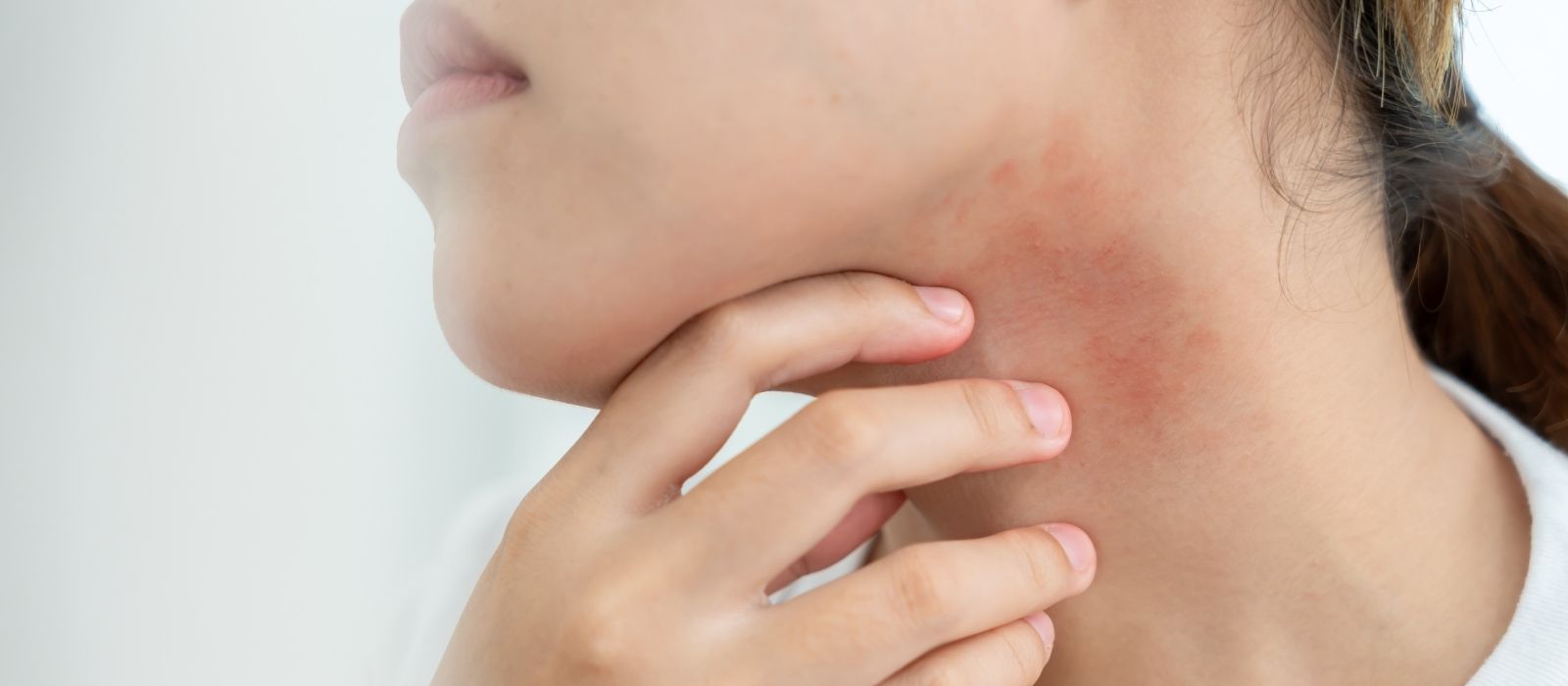
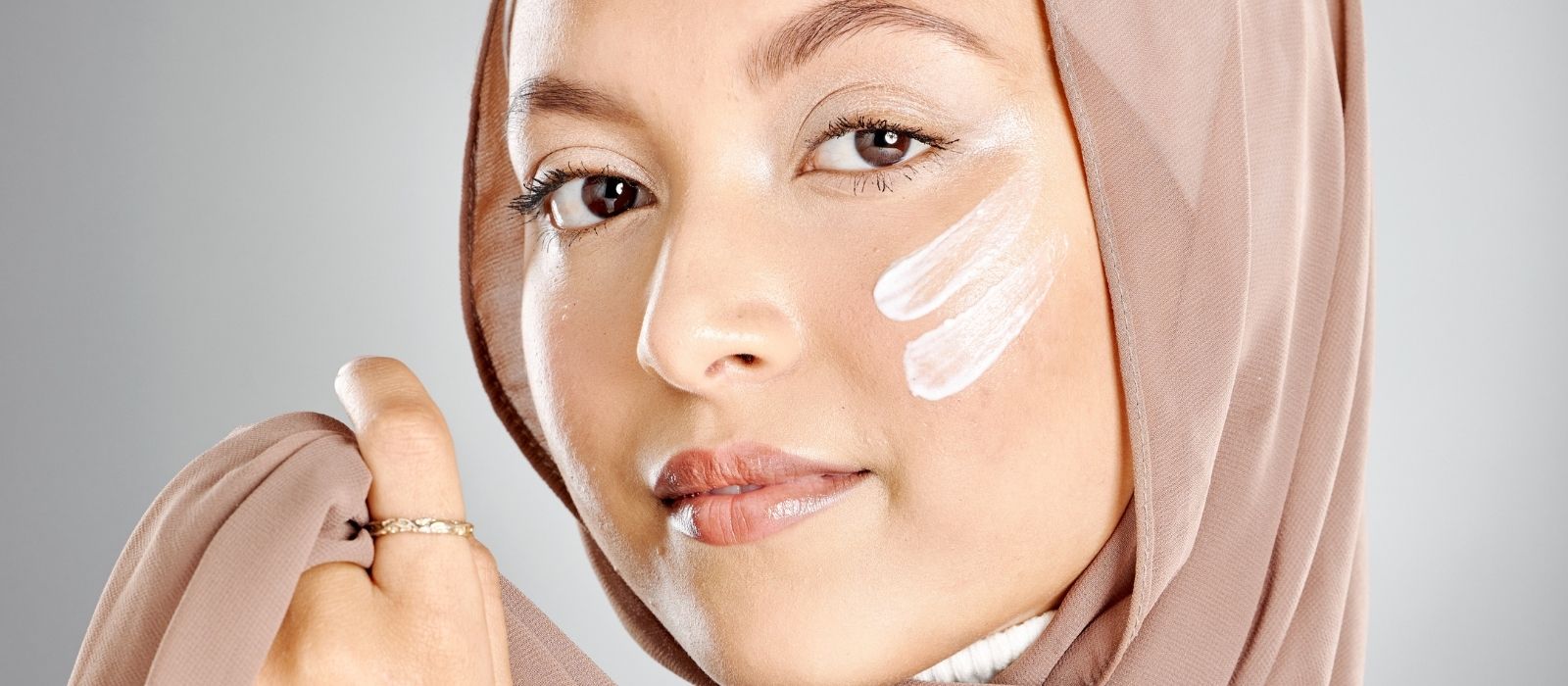
Your skin keeps breaking out, feels tight, or won't heal properly. These could be signs you damaged your skin microbiome. Here's how to tell and what to do about it.
Your skincare routine is pristine. You cleanse, tone, moisturize, and use SPF religiously. But your skin still breaks out in weird places, feels perpetually tight, or takes forever to heal from the smallest scratch. Nothing you try seems to stick.
The problem might not be what you're putting on your skin — it might be what you've accidentally wiped out. Your skin microbiome, the ecosystem of bacteria, fungi, and other microorganisms living on your skin's surface, could be completely out of balance.
When your microbiome gets damaged, your skin loses its ability to protect itself, regulate oil production, and fight off harmful bacteria. The result looks like stubborn skin problems that don't respond to typical treatments. Here are the signs you damaged your skin microbiome and what actually works to restore it.
Your Skin Reacts to Everything Now
Products that never bothered you suddenly cause stinging, redness, or breakouts. Your skin feels reactive to ingredients it used to handle fine — even gentle ones like hyaluronic acid or ceramides.
A healthy microbiome acts like a buffer between your skin and the outside world. When it's damaged, that protective layer disappears. Your skin becomes hypersensitive because harmful bacteria can penetrate more easily, triggering inflammatory responses to ingredients that should be soothing.
This isn't the same as developing sensitive skin naturally. Microbiome damage creates sudden sensitivity where none existed before.
You're Breaking Out in New Places
Acne appears on your chest, back, or other areas where you rarely had issues before. The breakouts look different too — more inflamed, taking longer to heal, or showing up as clusters of small bumps rather than individual pimples.
Your microbiome keeps harmful bacteria in check through competitive exclusion — good bacteria crowd out the bad ones. When beneficial microbes get wiped out by over-cleansing, harsh actives, or antibiotics, opportunistic bacteria like C. acnes multiply unchecked.
These breakouts often don't respond to typical acne treatments because you're dealing with an imbalance, not just clogged pores. Body acne that appears suddenly is especially telling since those areas usually have different bacterial populations than your face.
Your Skin Barrier Won't Stay Fixed
You've tried every barrier repair product on the market, but your skin still feels tight, flaky, or dehydrated within hours of moisturizing. Products that should help — like ceramides or peptides — either don't work or make things worse.
A damaged microbiome can't support barrier function properly. Beneficial bacteria produce fatty acids and other compounds that strengthen your skin barrier. Without them, you're trying to repair a foundation with no structural support.
The microbiome and barrier work together. You can't fix one without addressing the other. That's why barrier repair alone often fails when microbiome damage is the root cause.
Small Wounds Take Forever to Heal
Cuts, scratches, or picked spots that used to disappear in a few days now linger for weeks. You might notice more post-inflammatory hyperpigmentation or scarring than usual, even from minor injuries.
Your microbiome plays a crucial role in wound healing. Beneficial bacteria help regulate inflammation and support tissue repair. When that ecosystem is disrupted, your skin's healing processes slow down significantly.
Your Skin pH Feels Off
Your skin feels either too oily or too dry, with no middle ground. Products sting more than they used to, especially anything with mild acids. Your skin might feel "squeaky clean" after washing, which actually indicates your pH is too high.
A healthy microbiome helps maintain your skin's natural pH around 4.5-5.5. When disrupted, your skin's pH can shift alkaline, creating an environment where harmful bacteria thrive and beneficial ones struggle.
What Actually Restores Your Microbiome
Stop over-cleansing immediately. Wash your face once daily with a gentle, pH-balanced cleanser. Skip harsh actives like strong retinoids or high-concentration acids until your microbiome stabilizes.
Introduce prebiotics and probiotics specifically formulated for skin. Prebiotics feed beneficial bacteria, while probiotics introduce new beneficial strains. Look for products containing lactobacillus or bifidobacterium.
Support your microbiome from the inside too. Gut health directly affects skin health because your internal and external microbiomes communicate. Fermented foods, fiber, and reducing sugar intake all help.
Give it time. Microbiome restoration takes 4-6 weeks minimum. Your skin might look worse initially as bacterial populations rebalance. Stick with gentle, supportive products during this transition period.
FAQ
How long does it take to repair a damaged skin microbiome?
It takes 4-8 weeks of consistent gentle care to see significant microbiome restoration. Your skin barrier should start feeling less reactive within 2-3 weeks, but full bacterial rebalancing requires at least a month of avoiding harsh products and supporting beneficial bacteria.
Can antibiotics damage your skin microbiome permanently?
Oral antibiotics can disrupt your skin microbiome for months, but the damage isn't permanent. Your skin will gradually recolonize with bacteria from your environment and other body sites. Using topical prebiotics and probiotics can speed up this recovery process significantly.
What's the difference between damaged microbiome and damaged skin barrier?
A damaged microbiome affects the bacterial ecosystem living on your skin's surface, while a damaged barrier affects the physical structure of your skin cells. However, they're interconnected — microbiome damage often leads to barrier damage, and barrier problems can disrupt bacterial balance.