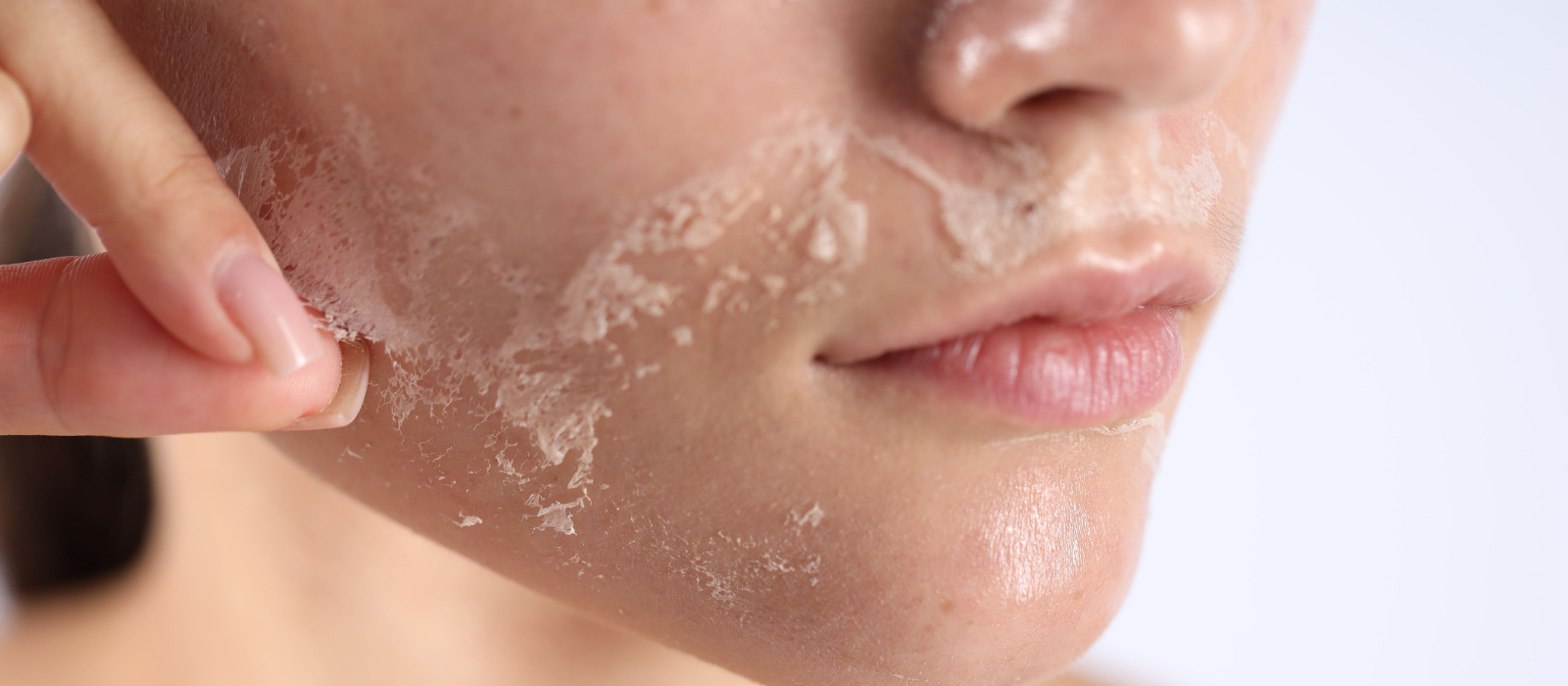
Learn the real signs of sensitive skin and what to do about it. From identifying triggers to building a routine that actually works without irritation.
Your face burns after using a face wash everyone raves about. Your skin turns red when you try a new serum. You can't figure out why some products work fine one week and cause breakouts the next. Sound familiar?
True sensitive skin isn't just about occasional reactions — it's a consistent pattern of your skin overreacting to ingredients, temperatures, or environmental changes that don't bother most people. The tricky part is that sensitive skin often gets confused with damaged skin barriers, allergic reactions, or even normal adjustment periods to new products.
Here's how to tell if you have sensitive skin and what to do about it: sensitive skin shows consistent patterns of irritation across multiple product categories, reacts to changes in weather or stress, and responds better to fewer ingredients rather than more. If your skin only freaks out occasionally or with specific ingredients, you're probably dealing with something else entirely.
Signs You Actually Have Sensitive Skin
Sensitive skin shows up in predictable ways. You'll notice stinging or burning when you apply products that should feel neutral — basic cleansers, moisturizers without actives, or even just water sometimes. Your skin flushes easily from heat, cold, or emotional stress. Fabrics like wool or synthetic materials against your face cause irritation.
The biggest telltale sign is that your reactions happen fast. Within minutes of applying a product, you feel burning, see redness, or develop bumps. This is different from allergic reactions, which can take hours or days to show up, and different from purging, which happens specifically with exfoliating ingredients over weeks.
Your skin also probably feels tight or uncomfortable even when you're not using any products. You might wake up with red patches that weren't there the night before, especially during seasonal changes or stressful periods.
What's Causing the Sensitivity
Sensitive skin happens when your skin barrier is naturally thinner or when the nerve endings in your skin are more reactive than average. Some people are born with it — if your parents had sensitive skin, you probably do too. But environmental factors make it worse.
Hard water, pollution, and UV exposure all compromise your barrier over time. Chronic stress affects your skin by increasing cortisol, which thins your protective barrier and makes nerve endings more reactive.
Hormonal changes during your menstrual cycle, pregnancy, or menopause can trigger sensitivity even if you've never had it before. Your skin changes throughout your cycle, becoming more reactive during the week before your period when estrogen drops.
What Makes Sensitive Skin Worse
Fragrance is the biggest culprit, but it's not just obvious perfumed products. Essential oils, even natural ones like lavender or tea tree, trigger reactions in sensitive skin. Alcohol-based toners and astringents strip your barrier and increase reactivity.
Over-cleansing or using multiple active ingredients at once overwhelms sensitive skin. If you're layering vitamin C, retinol, and acids in the same routine, you're probably causing irritation rather than treating it. Over-exfoliating wrecks your skin even when it feels like it's working initially.
Physical scrubs and harsh washcloths create micro-tears that make sensitivity worse over time. Even gentle face brushes can be too much if you're using them daily on reactive skin.
How to Build a Routine That Works
Start with the absolute basics — a gentle cleanser, a simple moisturizer, and sunscreen. That's it for at least two weeks. Choose products with short ingredient lists and avoid anything with fragrance, essential oils, or alcohol.
Look for ceramides, hyaluronic acid, and niacinamide in your moisturizer. These ingredients support your barrier without causing reactions. Ceramides rebuild your protective barrier naturally over time.
When your skin is calm and stable, add one new product every two weeks. Not every week — every two weeks. This lets you identify exactly what triggers reactions without guessing.
If you want to use actives like retinol or vitamin C, start with the lowest concentrations available and use them only twice a week initially. Repairing your skin barrier comes before treating other concerns like acne or aging.
When to See a Professional
If your skin reacts to everything, including products specifically marketed for sensitive skin, you might be dealing with a condition like rosacea or contact dermatitis rather than general sensitivity. A dermatologist can help distinguish between these conditions and sensitive skin.
Persistent burning, especially if it happens without any products, needs professional evaluation. Same goes for reactions that get worse over time despite simplifying your routine.
FAQ
Can you develop sensitive skin as an adult?
Yes, sensitivity can develop at any age due to hormonal changes, environmental damage, or using too many harsh products over time. Menopause and pregnancy commonly trigger new sensitivity.
How long does it take to calm sensitive skin?
With a simplified routine, most people see improvement within 2-4 weeks. Complete barrier repair can take 6-8 weeks of consistent gentle care without introducing new irritants.
What's the difference between sensitive skin and damaged skin barrier?
Sensitive skin is naturally reactive and has been that way for years. A damaged barrier is usually from over-treatment or environmental damage and can be fully repaired with time and proper care.