Red light therapy for acne kills bacteria and reduces inflammation without drying out your skin. Here's who it actually works for and what to expect.
Your dermatologist mentions red light therapy. Your aesthetician swears by LED masks. Your favorite influencer posts selfies with a glowing device strapped to their face. But when you look up the actual research, most studies use professional-grade equipment that costs $15,000, not the $200 mask you're considering.
Red light therapy for acne works by killing acne bacteria and reducing inflammation without the drying effects of benzoyl peroxide or the irritation of retinoids. The wavelengths penetrate deep enough to target P. acnes bacteria while stimulating cellular repair. But the devices aren't all created equal, and neither are the results.
Here's what matters: red light therapy helps mild to moderate inflammatory acne more than blackheads or whiteheads. It works best as part of a routine, not as a standalone treatment. And those at-home devices can work, but you need to use them consistently for 8-12 weeks to see real changes.
How Red Light Therapy Targets Acne
Red light therapy uses specific wavelengths — typically 660 to 850 nanometers — to penetrate your skin without causing surface damage. The light gets absorbed by mitochondria in your cells, boosting energy production and accelerating healing. For acne, this process kills bacteria and reduces the inflammatory response that turns a clogged pore into a painful bump.
P. acnes bacteria produce molecules called porphyrins. When these molecules absorb red light, they create reactive oxygen that destroys the bacteria from the inside. Meanwhile, the light therapy reduces inflammatory cytokines, which are the chemical messengers that create redness, swelling, and pain around breakouts.
This is different from blue light therapy, which targets surface bacteria but doesn't penetrate as deeply. Red light reaches the deeper layers where hormonal acne inflammation happens, making it more effective for cystic breakouts and persistent spots.
Who Actually Sees Results
Red light therapy works best for inflammatory acne — the red, swollen bumps that hurt when you touch them. If you're dealing with mostly blackheads and whiteheads, you won't see dramatic improvements because the light doesn't address the oil and dead skin cell buildup that creates those clogs.
People with body acne often respond well because the larger treatment area makes it easier to target multiple spots consistently. Back and chest acne, which tends to be more inflammatory, responds better than facial comedones.
The treatment works particularly well for people who can't tolerate traditional acne medications. If benzoyl peroxide leaves your skin red and peeling, or if retinoids cause too much irritation, red light therapy offers an anti-inflammatory approach without the harsh side effects.
However, if you have severe cystic acne with deep nodules, red light therapy alone won't be enough. The same goes for acne caused by underlying hormonal issues — the light can reduce inflammation, but it won't address the root cause driving oil production.
At-Home vs Professional Treatment
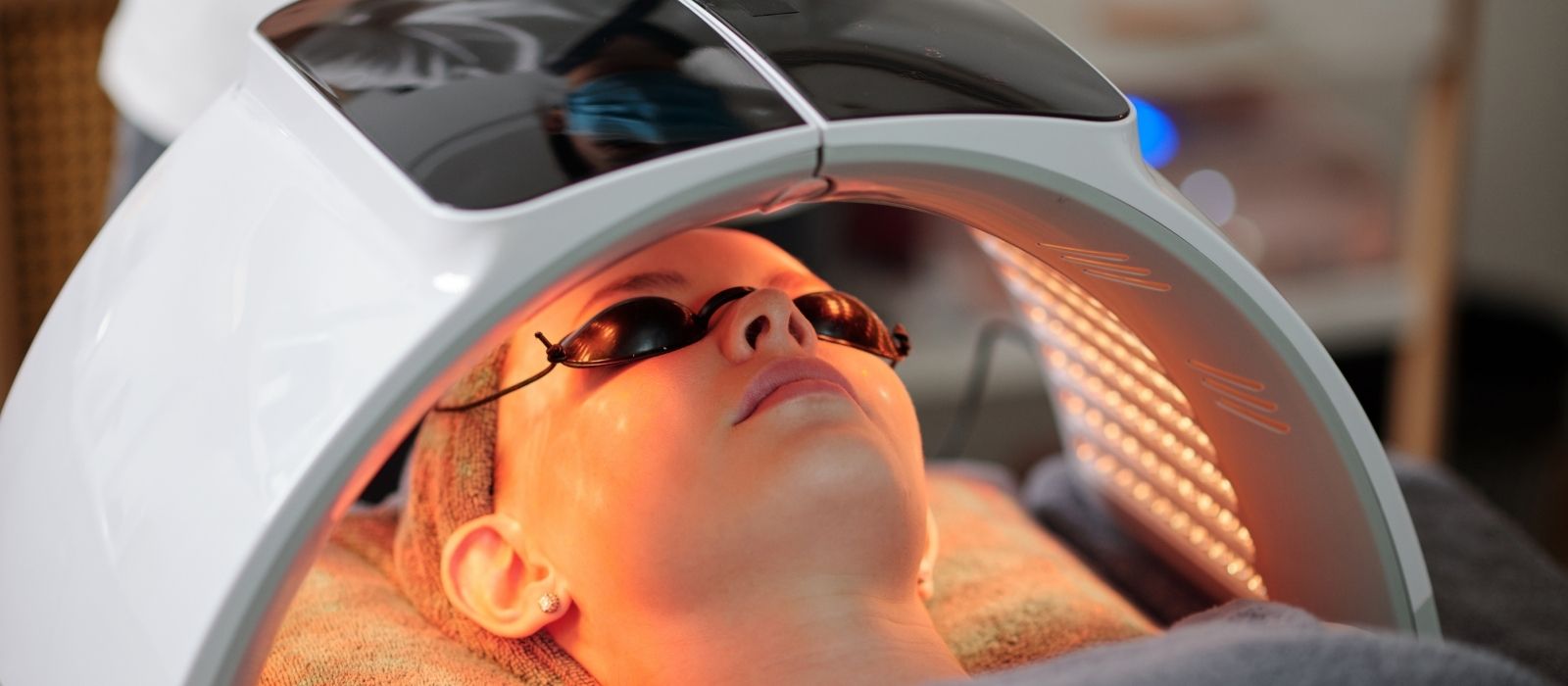
Professional LED panels deliver 50-100 milliwatts per square centimeter, while most at-home devices provide 5-20 milliwatts. That means professional treatments work faster — you might see improvements in 4-6 weeks instead of 8-12 weeks with home devices.
But home devices have advantages too. You can use them consistently without scheduling appointments, and the lower intensity means less risk of overexposure. Devices like the LightStim for Acne ($169) and the Dr. Dennis Gross DRx SpectraLite FaceWare Pro ($435) have shown effectiveness in small studies, though they require daily use for several months.
The key is irradiance — the amount of light energy hitting your skin. Look for devices that specify their output in milliwatts per square centimeter. Anything under 5 mW/cm² probably won't be effective, regardless of the marketing claims.
What to Expect and When
Most people see initial improvements in skin texture and reduced redness within 3-4 weeks. Active breakouts start healing faster, and new spots appear less inflamed. The antibacterial effects build over time, so consistency matters more than intensity.
Treatment sessions typically last 10-20 minutes, depending on the device. Professional treatments might be twice weekly for 4-6 weeks, while home devices are often used daily. Research shows that combining red light with your existing routine works better than using it alone.
Side effects are minimal — occasional eye strain if you don't use protective eyewear, and temporary redness that fades within an hour. Unlike photodynamic therapy, which uses light-sensitizing medications, basic red light therapy doesn't make you more sensitive to sun exposure.
The treatment works best when combined with gentle cleansing and moisturizing. Avoid using it right after applying retinoids or acids, which can increase photosensitivity even with red light wavelengths.
Frequently Asked Questions
Does red light therapy work for hormonal acne?
Red light therapy reduces inflammation from hormonal acne but doesn't address the underlying hormonal triggers. It helps existing breakouts heal faster and appear less angry, but you'll likely need to combine it with other treatments that target oil production or hormonal balance for long-term results.
How long does it take for red light therapy to clear acne?
Most people see initial improvements in 3-4 weeks with consistent use. Significant clearing typically takes 8-12 weeks with at-home devices, or 6-8 weeks with professional treatments. The antibacterial effects build gradually, so stopping treatment early often leads to breakouts returning.
Can you use red light therapy with retinol and other acne treatments?
Yes, but timing matters. Use red light therapy in the morning and apply retinoids at night, or space them several hours apart. Avoid using the light immediately after applying acids or benzoyl peroxide, which can increase skin sensitivity even to red wavelengths.