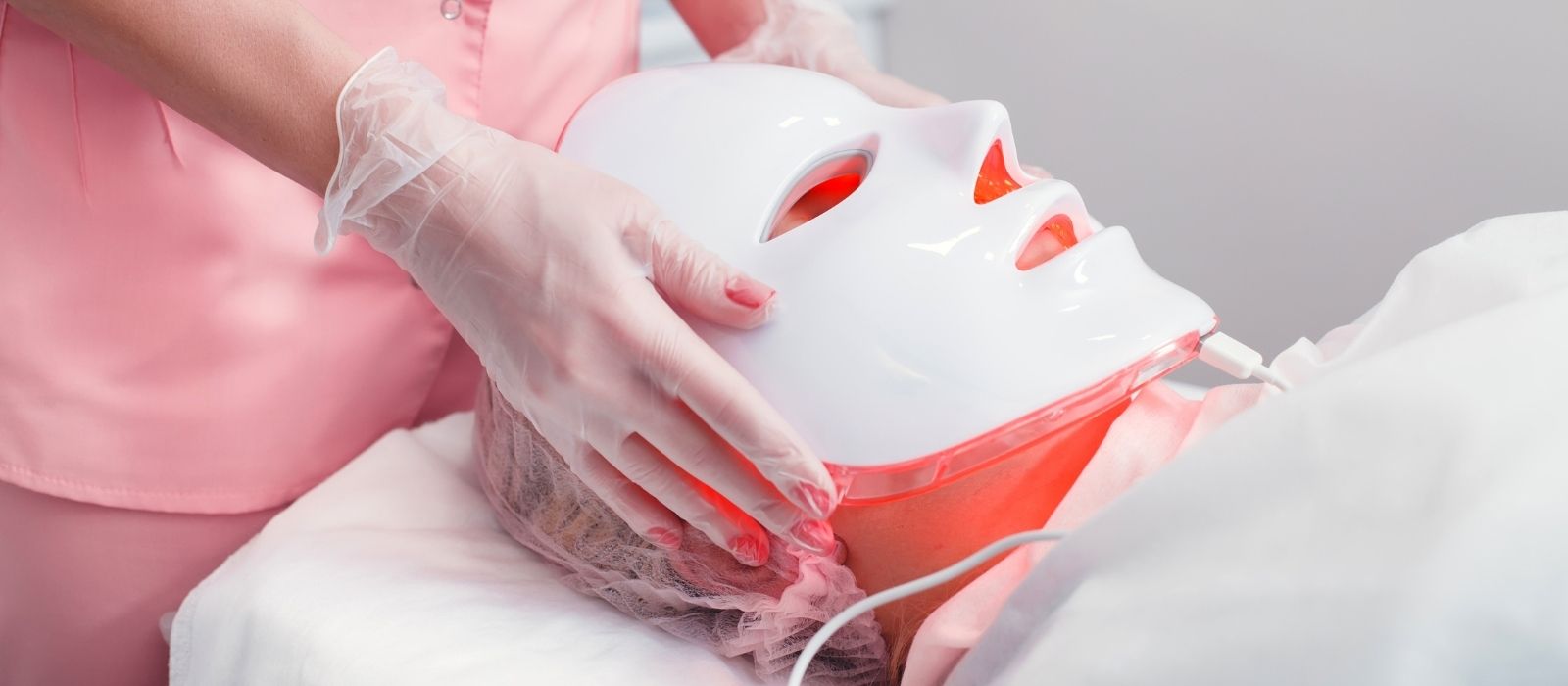
Red light therapy promises to boost collagen, fade dark spots, and smooth wrinkles. But does it actually work? Here's what the research shows about red light therapy for skin.
You've probably seen the red light therapy devices everywhere — from $30 handheld gadgets to $3,000 full-body panels. They promise to boost collagen, fade dark spots, and smooth wrinkles using nothing but specific wavelengths of light. The marketing claims sound almost too good to be true.
That's because some of them are. Red light therapy does work for certain skin concerns, but not in the magical way most companies advertise it. The research shows real benefits for wound healing and mild acne, while the anti-aging claims are more complicated.
Here's what actually happens: red light therapy uses wavelengths between 660-850 nanometers to penetrate skin cells and stimulate mitochondria — the energy centers of your cells. This process, called photobiomodulation, can increase cellular energy production and trigger healing responses. The question isn't whether this happens — it's whether those cellular changes translate to visible improvements in your skin.
What the Research Actually Shows
The strongest evidence exists for wound healing and inflammatory acne. A 2018 study published in Photomedicine and Laser Surgery found that red light therapy reduced acne lesions by 36% after 4 weeks of treatment. Another study from the Journal of Clinical and Aesthetic Dermatology showed 660nm red light improved acne in 90% of participants over 12 weeks.
For anti-aging, the results are more mixed. A small 2014 study in Photomedicine and Laser Surgery found that 12 weeks of red light therapy increased collagen density by 31% and reduced wrinkle severity. But this study only included 36 people, and larger follow-up studies haven't consistently replicated these dramatic results.
Red light therapy also shows promise for hyperpigmentation, though the mechanism is different from what most people expect. Instead of directly breaking down melanin like hydroquinone or vitamin C, it appears to improve overall skin turnover and reduce inflammation that can worsen dark spots. A 2019 study found red light combined with near-infrared light reduced melasma severity by 25% over 8 weeks.
Why Some Devices Work Better Than Others
Not all red light devices deliver the same results, and power density makes the difference. Clinical studies typically use devices that deliver 20-200 milliwatts per square centimeter. Many consumer devices deliver far less — sometimes under 5 mW/cm², which won't penetrate deep enough to trigger meaningful cellular changes.
The cheap handheld devices you see on social media usually fall into this category. They might feel warm and create a placebo effect, but they don't have enough power to replicate the results seen in research studies.
Professional LED panels used in dermatology offices typically deliver 50-100 mW/cm² across larger treatment areas. At-home panels from companies like Joovv or Red Light Rising deliver similar power densities but cost $500-2,000. The middle ground includes devices like the CurrentBody LED mask, which delivers about 40 mW/cm² for around $380.
Who Benefits Most From Red Light Therapy
Red light therapy works best for people with specific skin concerns, not as a general anti-aging solution. You're most likely to see results if you have mild to moderate acne, slow-healing wounds, or recent acne scarring. The anti-inflammatory effects can also help people with sensitive skin conditions like rosacea or eczema.
For hyperpigmentation, red light therapy works more slowly than proven ingredients like vitamin C or retinoids. It might be worth trying if your skin can't tolerate stronger actives, but don't expect dramatic changes in dark spots. Red light therapy for dark spots requires consistent use for 12-16 weeks before you see meaningful improvement.
If you're dealing with hormonal acne, red light therapy can reduce inflammation but won't address the underlying hormone imbalances causing breakouts. You'll likely need to combine it with targeted hormonal acne treatments for lasting results.
The Reality Check on Results
Most people expecting dramatic anti-aging results from red light therapy end up disappointed. While it can improve skin texture and reduce mild inflammation, it won't replace proven anti-aging ingredients like retinoids or sunscreen. Think of it as a supportive treatment, not a miracle cure.
The timeline also differs from other skincare treatments. Topical retinoids show visible improvements in 4-6 weeks. Red light therapy typically requires 8-12 weeks of consistent use before you notice changes. That's 2-3 months of daily 10-20 minute sessions.
For acne treatment specifically, red light therapy can be effective but works best when combined with a proper skincare routine that addresses your skin type and underlying causes.
Frequently Asked Questions
How long does it take to see results from red light therapy?
Most studies show initial improvements after 4-6 weeks of consistent daily use, with optimal results appearing after 8-12 weeks. Acne improvements typically show up faster than anti-aging benefits.
Can red light therapy make dark spots worse?
Red light therapy doesn't typically worsen hyperpigmentation like some laser treatments can. However, it also doesn't dramatically improve dark spots compared to proven treatments like vitamin C, retinoids, or hydroquinone.
Do cheap red light therapy devices actually work?
Most devices under $100 don't deliver enough power density to replicate clinical study results. Look for devices that specify their mW/cm² output and deliver at least 20-50 mW/cm² for meaningful results.