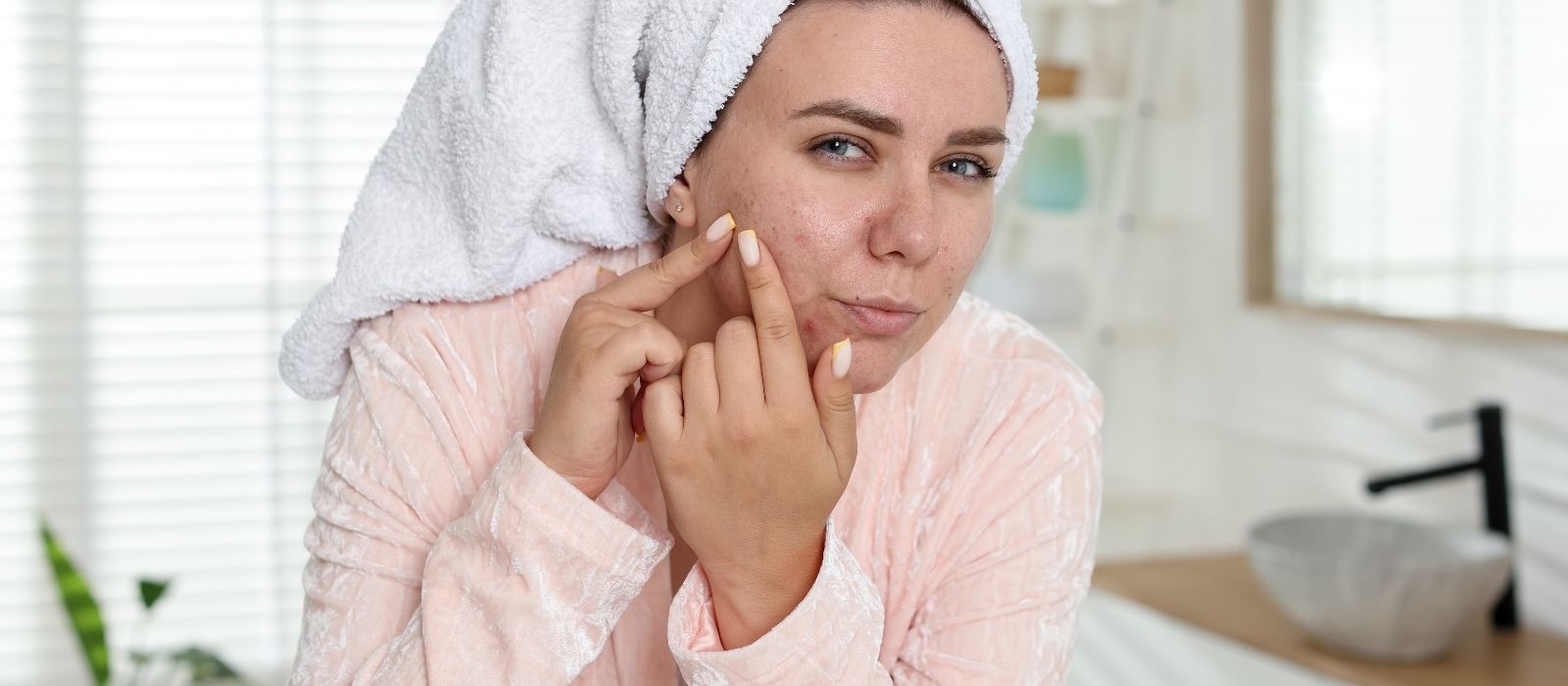
Adult acne hits different than teenage breakouts. Here's why you're still getting pimples in your 20s, 30s, and 40s — and what actually works to clear them.
You cleared up your skin in high school. College went fine. Then suddenly at 26, your chin erupts like you're fifteen again. Or maybe you sailed through your twenties only to wake up at thirty-five with cystic bumps along your jawline that won't quit.
Adult acne isn't leftover teenage skin problems. It's a completely different beast with different triggers, different patterns, and unfortunately, different rules. The treatments that worked at seventeen often fail miserably on thirty-something skin because the root causes have shifted.
The short answer to why you're still getting acne in your 20s, 30s, and 40s: your hormones are fluctuating in ways they didn't during your teens, your skin barrier is more compromised from years of products and stress, and your sebaceous glands are responding to entirely different signals than they used to.
Your Hormones Are Playing a Different Game Now
Teenage acne happens because puberty floods your system with androgens that overstimulate oil production. Adult acne happens because your hormones fluctuate in patterns that create perfect storm conditions for breakouts.
In your twenties, you're dealing with monthly hormone cycles that create predictable breakout timing. Progesterone rises in the second half of your cycle, which increases oil production and makes your pores stickier. That's why you get those deep, painful bumps right before your period that seem to appear overnight.
Your thirties bring a different challenge. Estrogen starts its slow decline while cortisol from work stress, life pressure, and sleep deprivation stays consistently elevated. This combination creates inflammation that makes every pore more reactive and every breakout angrier.
The forties hit with perimenopause, which throws everything into chaos. Estrogen drops unpredictably while testosterone stays relatively stable, creating an androgenic environment similar to puberty but in skin that's lost elasticity and repair capacity over time.
Your Skin Barrier Is More Vulnerable Than It Used to Be
Adult skin has been through decades of sun exposure, product experimentation, stress, and environmental damage. Your barrier function isn't what it was at sixteen, which means bacteria penetrate more easily and inflammation spreads faster.
Most adults also have compromised skin microbiomes from years of harsh cleansers, antibiotics, and over-exfoliation. Your skin microbiome affects every skin problem you have, including acne. When beneficial bacteria are depleted, opportunistic acne-causing bacteria take over more easily.
The Stress-Cortisol-Acne Cycle Gets Worse With Age
Teenage stress is temporary and situational. Adult stress is chronic and multifaceted — work deadlines, relationship pressure, financial concerns, aging parents, and sleep deprivation all compound to keep cortisol elevated.
Cortisol directly increases oil production and inflammation while suppressing your immune system's ability to fight acne bacteria. It also disrupts sleep, which prevents proper skin repair and hormone regulation. Stress literally breaks out your skin through measurable biological pathways.
The cruel irony is that adult acne creates more stress, which worsens the acne. You're not just dealing with a skin problem — you're managing a stress feedback loop that gets harder to break as responsibilities increase.
Your Lifestyle Factors Have Changed
Adult life introduces acne triggers that don't exist in adolescence. You're wearing makeup more frequently, talking on phones that press against your face, sleeping on pillowcases that don't get washed weekly, and eating lunch at your desk where you touch your face without thinking.
You're also likely using more skincare products than you did as a teenager. Product buildup, ingredient interactions, and over-treatment create conditions that can trigger breakouts even when individual products seem harmless.
Hormones affect your skin differently at every age, which means the skincare routine that worked in your twenties might be completely wrong for your thirties or forties.
Different Types of Adult Acne Need Different Approaches
Adult acne rarely looks like teenage acne. Instead of widespread whiteheads and blackheads across your entire face, you're more likely to get deep, cystic bumps concentrated around your chin, jawline, and sometimes your neck.
Hormonal acne on your chin and jawline requires different treatment than the forehead breakouts you might have had as a teenager. The same applies to body acne versus face acne — they're different problems that need different solutions.
The location, timing, and appearance of your breakouts give clues about what's actually causing them, which determines what will actually work to clear them.
FAQ
Is it normal to suddenly get acne in your 30s if you never had it before?
Yes, it's completely normal to develop acne in your 30s even if you had clear skin as a teenager. Hormonal changes, increased stress, and lifestyle factors can trigger adult-onset acne that has nothing to do with your teenage skin history.
Why does my acne get worse right before my period even in my 40s?
Progesterone rises in the second half of your cycle regardless of age, increasing oil production and making pores more likely to clog. This pattern continues until menopause, though it may become less predictable during perimenopause when hormone fluctuations become irregular.
Can stress really cause acne breakouts in adults?
Yes, chronic stress elevates cortisol, which directly increases oil production and inflammation while suppressing immune function. Adult stress tends to be more chronic than teenage stress, creating sustained conditions that promote acne formation and prevent healing.