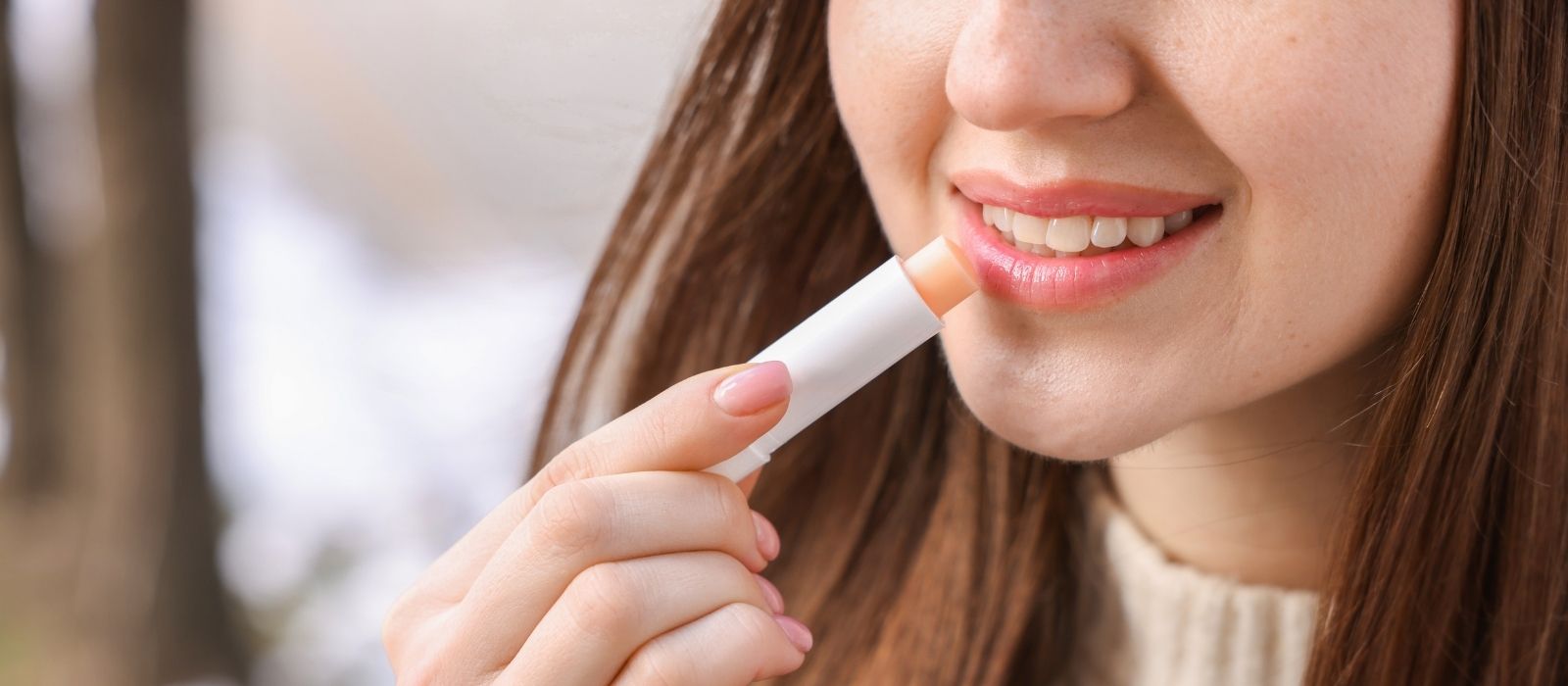
Your lips stay dry because you're treating the symptom, not the cause. Here's why lip balm isn't working and what actually fixes chronic dry lips for good.
You reapply lip balm every hour. Your nightstand holds three tubes. You've tried everything from drugstore sticks to $40 treatments, and your lips still feel like sandpaper by noon.
The problem isn't your lip balm. It's that most people treat dry lips like they treat dry hands — with more moisture. But lips don't work like regular skin. They don't have oil glands, they can't retain water the same way, and they're constantly exposed to saliva, which strips away whatever protection you've managed to build up.
Your lips stay dry because you're addressing the symptom instead of the cause. Real lip hydration comes from fixing what's breaking down your barrier in the first place, not adding more products on top of damaged tissue.
Your Lips Don't Have the Same Protection as Your Face
Regular skin has sebaceous glands that produce natural oils. Your lips don't. They rely entirely on the thin layer of skin cells and whatever moisture they can pull from your body's internal hydration. That's why they crack faster than your cheeks when the air gets cold.
The skin on your lips is about three to five times thinner than facial skin. There's no subcutaneous fat layer for cushioning, and the blood vessels sit much closer to the surface. This makes them more vulnerable to temperature changes, wind, and dehydration from inside your body.
Most lip balms create a temporary seal but don't actually repair the underlying barrier damage. You get relief for an hour, then you're back where you started because the fundamental problem — compromised skin integrity — hasn't changed.
You're Probably Making Your Lips Drier Without Realizing It
Licking your lips strips away natural moisture faster than leaving them alone. Saliva contains digestive enzymes meant to break down food, not hydrate skin. Every time you lick, you're essentially applying a mild acid that dissolves your lip barrier.
Breathing through your mouth, especially at night, creates constant airflow over your lips. If you wake up with severely chapped lips, mouth breathing is likely the main culprit. Sleep apnea, nasal congestion, or just habit can turn eight hours of sleep into eight hours of dehydration.
Products with menthol, camphor, or phenol give that cooling tingle but actually increase water loss. They create a temporary numbing effect that feels refreshing but compromises your barrier function. Same with flavored balms — the ingredients that make them taste good often contain mild irritants.
Internal Dehydration Shows Up on Your Lips First
Your body prioritizes water for essential functions like brain and organ health. Lips get what's left over. If you're even slightly dehydrated — not thirsty, just not optimally hydrated — your lips will show it before your skin does.
Certain medications pull moisture from your system. Antihistamines, blood pressure medications, and antidepressants can all contribute to chronic dry lips by reducing saliva production or increasing water loss. If your dry lips started after beginning a new medication, that's likely connected.
Vitamin B2, B3, B6, and zinc deficiencies can also show up as persistent lip dryness. This is more common if you follow restrictive diets or have absorption issues. A simple blood panel can rule this out.
What Actually Fixes Chronic Dry Lips
Start with repairing your skin barrier instead of just adding moisture. Look for lip products with ceramides, hyaluronic acid, or peptides. These ingredients actually rebuild barrier function instead of just sitting on top.
Address mouth breathing if that's contributing. Nasal strips, a humidifier, or treating underlying sinus issues can eliminate the root cause. If sleep apnea is suspected, get evaluated — your lips might be the least of your concerns.
Stop the lick-apply-lick cycle. Apply a barrier repair treatment once, then leave your lips alone. It takes about two weeks of consistent barrier repair to see lasting improvement. Most people give up after three days because they don't see immediate results.
Sun protection for your lips prevents additional barrier damage. UV exposure breaks down the proteins that keep lip skin intact. Use a lip balm with at least SPF 15 daily, not just at the beach.
Consider whether your diet affects your skin health overall. Chronic inflammation from food sensitivities can show up as persistent dryness in thin-skinned areas like lips first.
When Dry Lips Signal Something More Serious
Lips that crack repeatedly in the same spots might indicate a contact allergy to toothpaste, lipstick, or food. Angular cheilitis — cracks at the corners of your mouth — can signal B vitamin deficiencies or fungal infections that need medical treatment.
If your lips stay severely dry despite addressing all the common causes, autoimmune conditions like Sjögren's syndrome can reduce saliva production. This typically comes with dry eyes and mouth as well.
Lip discoloration combined with dryness might indicate sun damage, hormonal changes, or irritation from products. The treatment approach differs depending on the underlying cause.
FAQ
Why do my lips get dry even when I drink lots of water?
Drinking water helps, but external factors like mouth breathing, lip licking, or barrier damage from products matter more for lip hydration than internal hydration alone.
Can you overuse lip balm and make your lips dependent?
Your lips don't become physically dependent on lip balm, but using products that don't repair your barrier creates a cycle where you need constant reapplication without seeing improvement.
How long does it take to fix chronically dry lips?
About two weeks of consistent barrier repair treatment while avoiding habits that cause dryness. If you don't see improvement after a month, the cause is likely internal or medical.