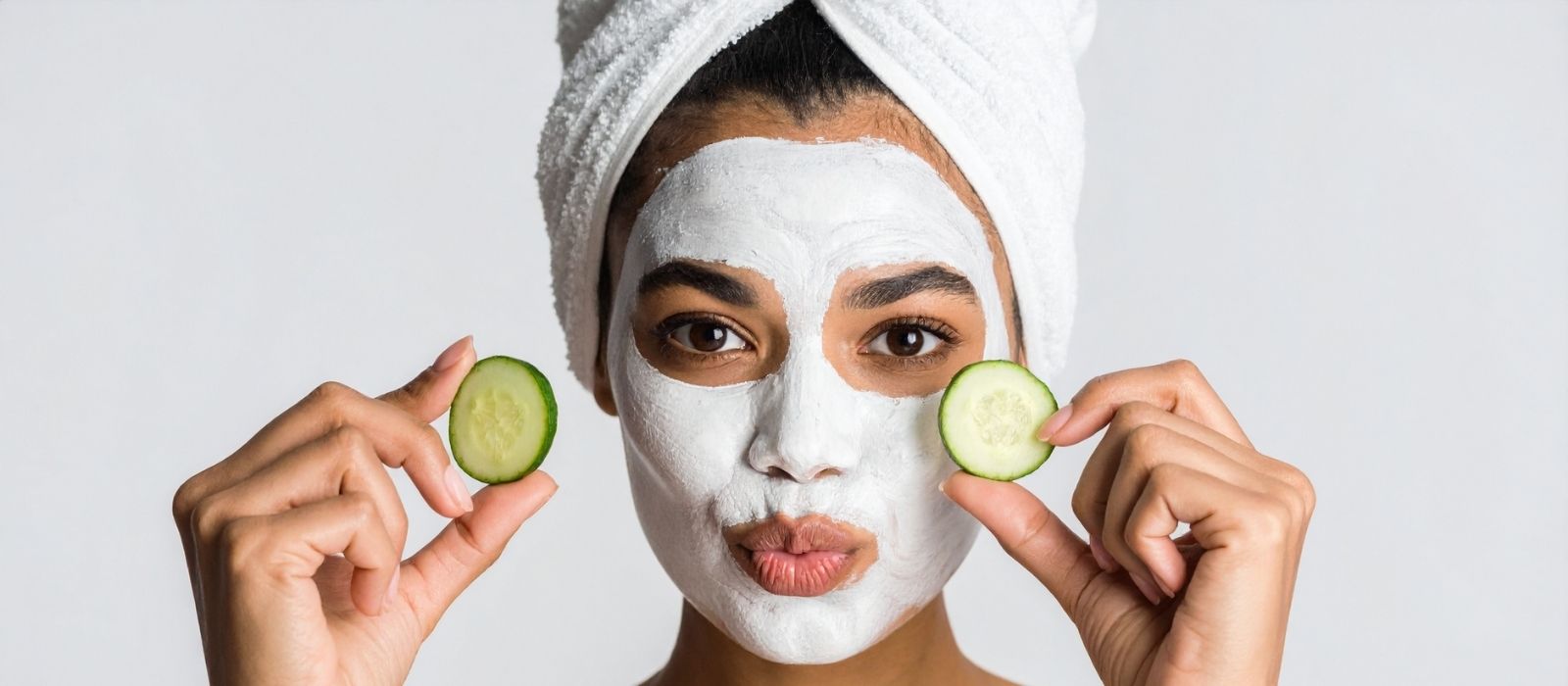
Discover which natural skincare ingredients from your kitchen actually work. Skip the Instagram trends and learn what dermatologists recommend for real results.
Your bathroom cabinet is filled with expensive serums, but the most effective skincare ingredients might be sitting in your kitchen right now. Not everything you see on Instagram works — lemon juice will burn your skin and baking soda will destroy your barrier — but some natural ingredients have decades of research backing their benefits.
The difference between ingredients that work and ones that wreck your skin comes down to pH levels, molecular size, and concentration. Your skin's natural pH sits around 5.5, slightly acidic. Anything too alkaline disrupts your protective barrier, while ingredients that are too acidic cause irritation and hyperpigmentation, especially on melanin-rich skin.
Natural skincare ingredients you can use at home that actually work include honey for antibacterial benefits, oatmeal for gentle exfoliation, and green tea for antioxidant protection. These have been studied extensively and won't cause the damage that trendy DIY masks often do.
Honey — Your Antibacterial Powerhouse
Raw honey contains hydrogen peroxide, which naturally fights acne-causing bacteria without the harsh effects of benzoyl peroxide. Manuka honey specifically has methylglyoxal, a compound that's been shown to be effective against antibiotic-resistant bacteria strains.
Use honey as a spot treatment or gentle cleanser. Apply raw honey directly to clean skin for 10-15 minutes, then rinse with lukewarm water. It won't strip your skin like traditional acne treatments, and it actually helps maintain your skin barrier while fighting bacteria.
The key is using raw, unprocessed honey. Regular grocery store honey has been heated and filtered, removing the beneficial enzymes and compounds that make it effective for skincare. Look for honey that's cloudy or crystallized — that's how you know it's raw.
Oatmeal — Gentle Exfoliation That Actually Works
Colloidal oatmeal has been approved by the FDA for treating dry, irritated skin since 1988. It contains compounds called avenanthramides that reduce inflammation and itching. Unlike physical scrubs that can tear your skin, oatmeal provides gentle mechanical exfoliation while soothing irritation.
Grind plain rolled oats into a fine powder using a coffee grinder or food processor. Mix with water to form a paste and massage gently onto damp skin in circular motions. The oats will naturally break down as you massage, providing just enough exfoliation without damage.
This works especially well for people with dry or dehydrated skin because oatmeal contains beta-glucan, a polysaccharide that forms a protective film on your skin and helps retain moisture.
Green Tea — Antioxidant Protection You Can Brew
Green tea contains polyphenols, particularly epigallocatechin gallate (EGCG), which protects against UV damage and reduces inflammation. A study from the University of Alabama found that green tea applied topically reduced sun damage and prevented the breakdown of collagen.
Brew strong green tea, let it cool completely, then apply with cotton pads or spray it on clean skin. You can also freeze brewed green tea in ice cube trays and use the cubes to reduce puffiness around your eyes. The caffeine constricts blood vessels, reducing swelling temporarily.
Fresh green tea works better than products that claim to contain it. Most commercial green tea skincare products contain such small amounts that they're basically useless. Brewing your own gives you the full concentration of active compounds.
Aloe Vera — But Only the Right Kind
Pure aloe vera gel contains compounds that accelerate wound healing and reduce inflammation. It's particularly effective for post-inflammatory hyperpigmentation because it doesn't irritate healing skin the way many commercial treatments do.
Cut a fresh aloe leaf and scrape out the clear gel inside. Avoid the yellow latex layer right under the skin — it's irritating and can cause contact dermatitis. Apply the clear gel directly to clean skin and let it absorb completely.
Skip the bottled aloe vera gel from drugstores. Most contain alcohol, artificial colors, and preservatives that cancel out aloe's benefits. If you can't get fresh aloe, look for 100% pure aloe vera gel with no added ingredients.
The biggest mistake people make with DIY skincare recipes is mixing multiple ingredients without understanding how they interact. Stick to one ingredient at a time until you know how your skin responds. Your skin barrier is more fragile than you think, and natural doesn't always mean gentle.
What to Avoid Completely
Lemon juice seems harmless but contains citric acid that makes your skin photosensitive. Combined with sun exposure, it causes chemical burns and permanent hyperpigmentation. Baking soda has a pH around 9, which is too alkaline for your skin and will disrupt your acid mantle.
Cinnamon, peppermint, and other essential oils cause contact dermatitis and can trigger melasma in people with darker skin tones. Sugar scrubs tear microscopic holes in your skin. Apple cider vinegar is too acidic in its undiluted form and can cause chemical burns.
Frequently Asked Questions
How often can I use natural ingredients on my face?
Start with once or twice per week and watch how your skin responds. Natural ingredients can still cause irritation if used too frequently. Honey can be used daily as a gentle cleanser, but oatmeal exfoliation should be limited to 2-3 times per week maximum.
Can I mix different natural ingredients together?
Stick to one ingredient at a time until you know how your skin reacts. Mixing ingredients can change their pH levels or create reactions you didn't expect. Honey and oatmeal work well together, but avoid combining acids or strong actives.
Will natural ingredients work as well as store bought products?
Some natural ingredients are as effective as commercial products for specific concerns. Honey rivals benzoyl peroxide for acne treatment, and oatmeal matches gentle commercial exfoliants. However, for issues like melasma treatment or severe acne, you'll likely need targeted skincare products with proven concentrations of active ingredients.