Microplastics hide in scrubs, mascaras, and lip glosses. Learn which beauty products contain them, how they affect your skin and hormones, and what to use instead.
Your face scrub promises to buff away dead skin and reveal a glow. But those tiny beads doing the scrubbing might be plastic particles smaller than a grain of sand, and they're not just washing down your drain — they're absorbing into your bloodstream.
Microplastics in beauty products aren't just an environmental problem. They're a skin problem, a hormone problem, and a health problem that most people don't know they're dealing with daily. These particles show up in everything from exfoliating cleansers to mascara to lip gloss, and they're doing more damage than just clogging waterways.
The issue isn't just what microplastics are — it's what they carry with them. These tiny particles act like magnets for toxins and hormone disruptors, concentrating them and delivering them directly through your skin barrier. Your beauty routine might be undoing the very results you're trying to achieve.
What Are Microplastics and Where Do They Hide
Microplastics are plastic fragments smaller than 5 millimeters. In beauty products, they're usually much tinier — between 0.1 and 1 millimeter. Companies add them for texture, slip, or exfoliation. They make products feel silky, help makeup glide on smoothly, or create that gritty scrubbing action in face washes.
The most common types in cosmetics are polyethylene (PE), polypropylene (PP), polyethylene terephthalate (PET), and polymethyl methacrylate (PMMA). Check ingredient lists for these names, plus terms like 'microbeads,' 'microspheres,' or anything starting with 'poly.'
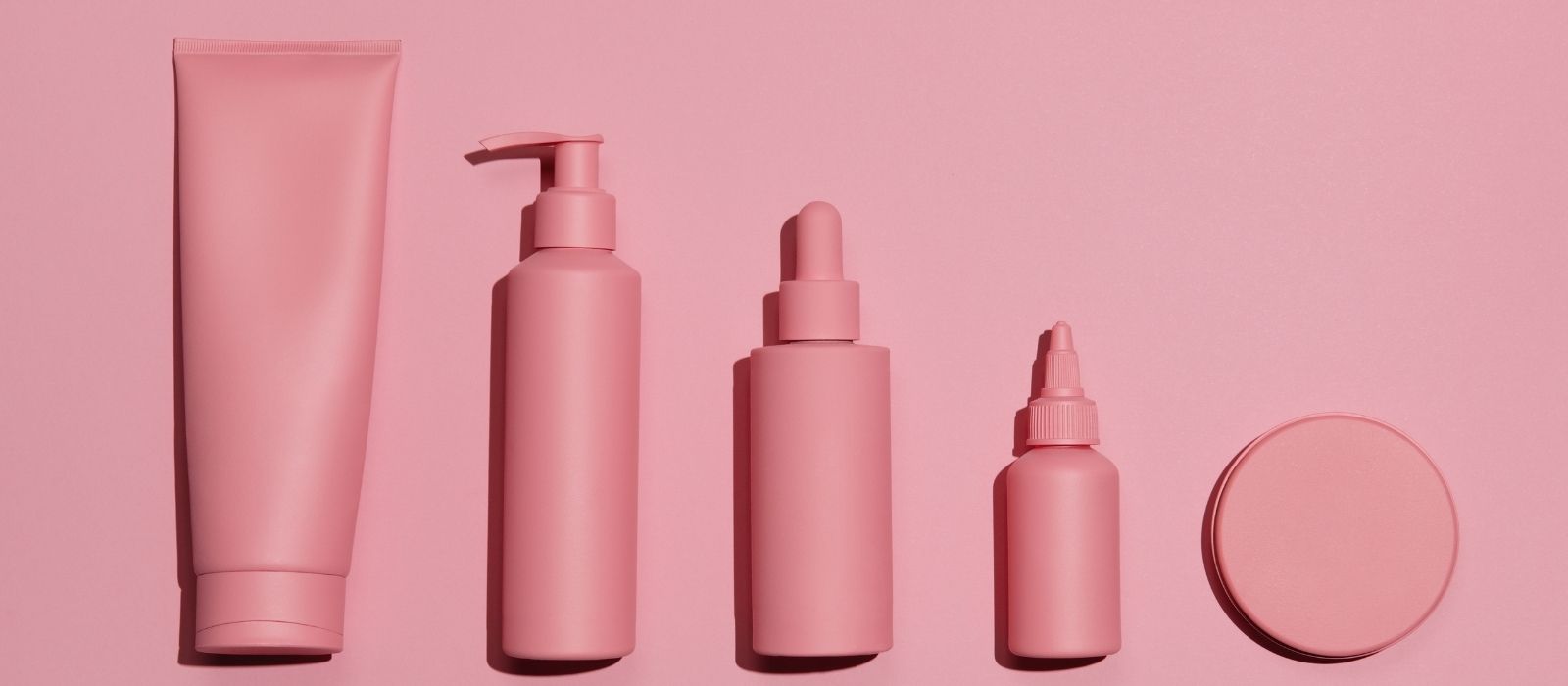
Face scrubs and body washes contain the most obvious microplastics — those visible beads that create the exfoliating action. But they also hide in products where you wouldn't expect them. Mascara uses plastic fibers to create length and volume. Lip gloss contains plastic particles for shine. Even some moisturizers include micro-sized plastic spheres to create a smooth application.
Nail polish is loaded with microplastics that chip off constantly. Liquid foundation often contains plastic particles for that 'airbrush' finish. Blush, eyeshadow, and bronzer frequently include plastic components for color payoff and blendability.
How Microplastics Affect Your Skin and Hormones
These particles don't just sit on your skin surface. Research from the University of Newcastle found that the average person consumes about 5 grams of plastic weekly — equivalent to a credit card. Much of this comes through skin absorption, not just ingestion.
Microplastics penetrate your skin barrier and enter your bloodstream within hours of application. Once there, they act as carriers for phthalates, BPA, and other endocrine disruptors that were used in their manufacturing or absorbed from the environment.
These hormone disruptors interfere with estrogen, testosterone, and thyroid function. They can trigger inflammatory responses that show up as breakouts, redness, and premature aging. The plastic particles themselves create oxidative stress, breaking down collagen and elastin faster than your skin can replace them.
A 2023 study in Environmental Science & Technology found that people using conventional beauty products had 23% higher levels of hormone-disrupting chemicals in their blood compared to those using plastic-free alternatives. The connection between microplastics and hormonal skin changes is becoming impossible to ignore.
Which Beauty Products Contain the Most Microplastics
Face and body scrubs top the list. Brands like St. Ives Apricot Scrub, Neutrogena Deep Clean Foaming Scrub, and most drugstore exfoliating cleansers contain polyethylene microbeads. These products can release 100,000+ plastic particles per use.
Mascara is a major source. Maybelline Great Lash, L'Oréal Voluminous, and most waterproof formulas use plastic fibers. Every time you apply and remove mascara, you're transferring plastic particles to your eye area and into your tear ducts.
Glittery makeup products almost always contain plastic glitter. Most drugstore eyeshadows, body glitters, and festival makeup contain PET or PP particles. Even some 'eco-glitter' products use plastic alternatives that are still synthetic.
Liquid foundations from major brands often include plastic spheres for texture. Check labels for dimethicone crosspolymer, cyclopentasiloxane, and other silicone-plastic hybrids.
Plastic-Free Alternatives That Actually Work
For exfoliation, switch to natural alternatives like jojoba beads, ground walnut shells, or sugar scrubs. Brands like ACURE, Alba Botanica, and Badger make effective scrubs without plastic particles.
Replace plastic-laden mascara with options from Ilia, Kjaer Weis, or Weleda. These brands use plant-based waxes and natural fibers instead of plastic components. They perform just as well for length and volume.
For foundation, mineral powder formulas eliminate plastic particles entirely. Brands like Jane Iredale, Bare Minerals, and ILIA create smooth coverage without synthetic microspheres.
Cream blushes and lipsticks generally contain fewer microplastics than powder formulas. Stick with brands that specifically advertise plastic-free formulations.
How to Start Reducing Your Microplastic Exposure
Start with the products you use most frequently. If you scrub your face daily, replacing that product eliminates the highest source of exposure immediately. Reducing microplastic exposure doesn't require throwing out your entire collection overnight.
Read ingredient lists for the plastic names mentioned above. When products run out, replace them with plastic-free versions from the same category. Focus on face products first since facial skin absorbs chemicals faster than body skin.
Choose products in glass containers when possible. Plastic packaging can leach microparticles into the product itself, especially when stored in warm environments like bathrooms.
Frequently Asked Questions
Are microplastics in beauty products banned anywhere
The UK banned plastic microbeads in rinse-off cosmetics in 2018. Canada followed in 2019. The US banned microbeads in personal care products in 2017, but only for rinse-off products like face washes. Leave-on products like makeup can still contain microplastics legally.
how can I tell if my makeup has microplastics
Check ingredient lists for polyethylene, polypropylene, PET, PMMA, nylon, or anything starting with 'poly.' Glittery products almost always contain plastic particles. If beads are visible in scrubs or you can feel gritty particles, they're likely plastic unless specifically labeled as natural alternatives.
do microplastics in skincare cause acne
Microplastics can contribute to breakouts by clogging pores and triggering inflammatory responses. They also carry hormone disruptors that can worsen hormonal acne. The plastic particles themselves don't cause acne directly, but they create conditions that make breakouts more likely, especially around the eye area and jawline where makeup concentrates.