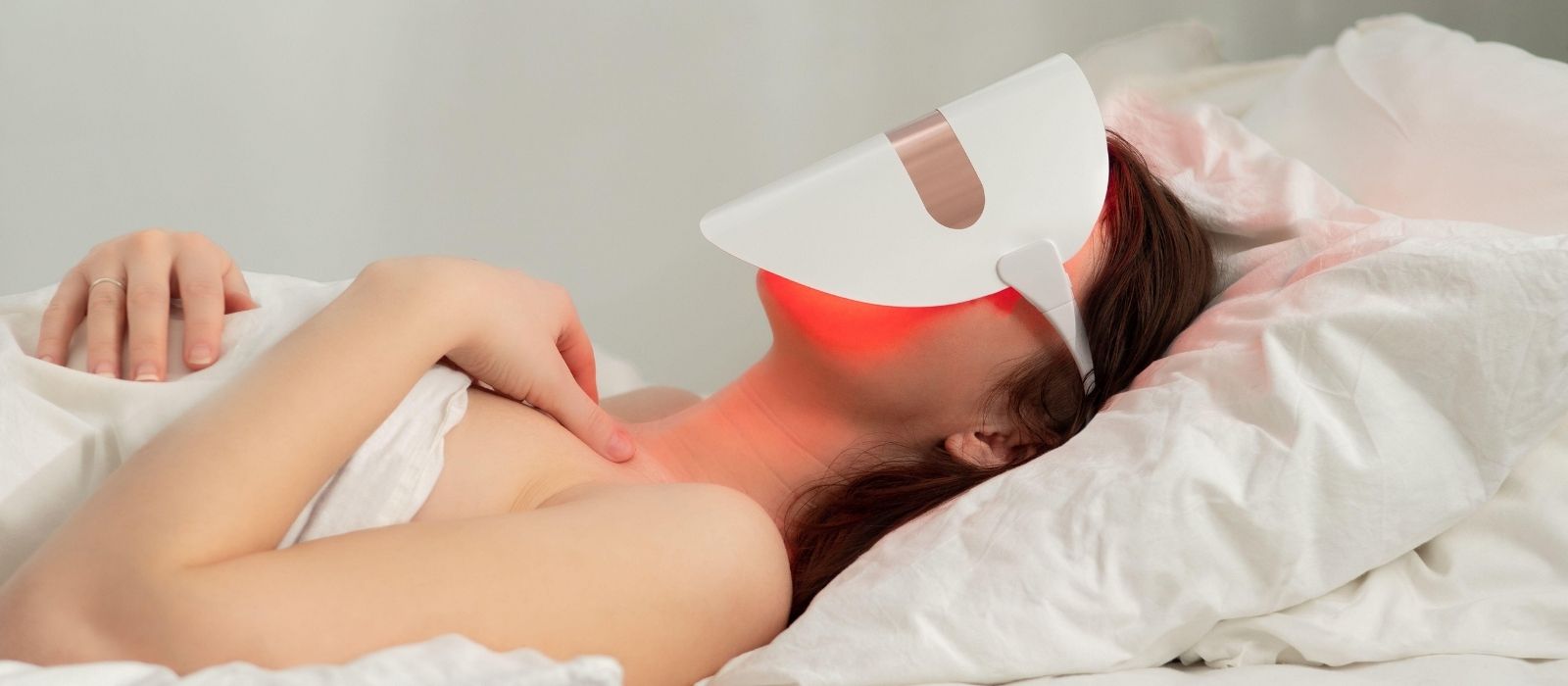
At home red light therapy what to know: which devices work, what wavelengths matter, and how to avoid expensive mistakes. Get real results without the salon markup.
Your neighbor swears her $300 LED mask erased ten years from her face. Your coworker credits a handheld device for finally clearing her hormonal acne. Meanwhile, you're scrolling through hundreds of red light therapy devices wondering which ones actually work and which are just expensive mood lighting.
The at-home red light therapy market exploded during the pandemic, flooding Amazon with devices ranging from $30 panels to $2,000 full-body setups. But here's what most reviews won't tell you: wavelength matters more than price, and most devices don't deliver the therapeutic doses they promise.
Effective red light therapy requires specific wavelengths delivered at precise intensities. Get either wrong, and you're basically paying for a very expensive night light. The devices that produce real results hit narrow wavelength ranges — 660-670nm for red light and 810-850nm for near-infrared — and deliver at least 20-40 milliwatts per square centimeter at the treatment distance.
How Red Light Therapy Actually Works
Red light therapy works by stimulating cellular mitochondria — the powerhouses that produce energy in your cells. When specific wavelengths penetrate your skin, they trigger increased ATP production, which accelerates healing, reduces inflammation, and boosts collagen synthesis.
The key word is specific. Your cells respond to narrow bands of light, not broad-spectrum LED arrays. Red light around 660nm penetrates about 8-10mm deep, making it effective for surface-level skin concerns. Near-infrared light at 810-850nm goes deeper — up to several centimeters — reaching muscle tissue and potentially affecting hormonal pathways that influence everything from sleep to inflammation.
Most cheap devices flood your skin with multiple wavelengths, diluting the therapeutic effect. It's like trying to listen to a specific radio station while someone plays ten others at the same time. Your cells can't respond efficiently when they're receiving mixed signals.
What to Look for in At-Home Devices
Power density separates real devices from decorative ones. Look for devices that specify their irradiance — measured in milliwatts per square centimeter (mW/cm²) — at your treatment distance. Professional-grade results require at least 20-40 mW/cm² hitting your skin.
Most manufacturers hide this number because their devices can't deliver therapeutic doses. They'll list total power output instead — '200W device!' — but spread that across a large panel, and you might get 2-5 mW/cm² per spot. That's like trying to cook dinner with a birthday candle.
Treatment area size determines how often you'll need sessions. Small handheld devices work for targeted spots but require multiple 10-15 minute sessions to cover your face. Full-face masks treat larger areas simultaneously but cost $200-800 for quality versions. Panel systems cover the most area but take up space and typically cost $400-2000.
Safety and Realistic Expectations
FDA approval doesn't guarantee effectiveness for at-home devices. The FDA classifies most red light therapy devices as Class II medical devices, but approval often covers safety, not therapeutic claims. Look for devices that specify their clinical testing rather than just regulatory approval.
Eye protection isn't optional. Red and near-infrared light can damage your retinas, especially with higher-powered devices. Most quality manufacturers include protective eyewear. If yours doesn't, buy safety glasses rated for your device's wavelengths before your first session.
Results take 6-12 weeks of consistent use. Your skin cells regenerate on roughly 28-day cycles, so you won't see dramatic changes after a few sessions. The people posting transformation photos after one week are either using filters or experienced temporary inflammation reduction that mimics improvement.
Red light therapy works well alongside other treatments but won't replace them. It can support postpartum recovery by potentially reducing inflammation, but it won't fix underlying hormonal issues or replace medical treatment for serious skin conditions.
Frequently Asked Questions
Can you use red light therapy every day
Most devices are safe for daily use at recommended durations — typically 10-20 minutes per treatment area. However, some research suggests every-other-day protocols work just as well and might prevent overstimulation. Start with 3-4 sessions per week and adjust based on how your skin responds.
Does red light therapy work for hormonal acne
Red light therapy can reduce inflammation associated with hormonal breakouts, but it won't address the underlying hormonal imbalances causing them. Think of it as symptom management rather than a cure. It works best combined with proper hormonal support and skincare.
How much should I spend on a red light therapy device
Quality handheld devices start around $150-250. Full-face masks range from $200-600 for legitimate options. Panel systems cost $400-1200 for home use. Avoid devices under $100 — they rarely deliver therapeutic doses. The most expensive option isn't always the best, but effective devices require quality LEDs and proper engineering, which costs money.