Iron deficiency is common in women and routinely missed. Here's what it actually feels like, why your levels might be low, and which foods make the biggest difference.
You're tired all the time, but it's not the kind of tired that sleep fixes. Your heart pounds walking up stairs. Your nails crack like dry leaves, and you catch yourself chewing ice cubes without thinking about it. Everyone says you look pale, but you've always been light-skinned.
These aren't random symptoms. They're your body telling you it's running on empty iron stores. Iron deficiency symptoms women experience get dismissed as stress or being busy, but they point to something specific and fixable.
Iron deficiency affects up to 20% of women of reproductive age, according to Health Canada. That number jumps higher for women with heavy periods, vegetarians, and anyone who's given birth recently. The problem isn't just getting diagnosed. It's recognizing what low iron actually feels like before it shows up on a blood test.
What Iron Deficiency Actually Feels Like
Iron deficiency doesn't announce itself with one obvious symptom. It creeps in with a collection of changes that seem unrelated until you connect them.
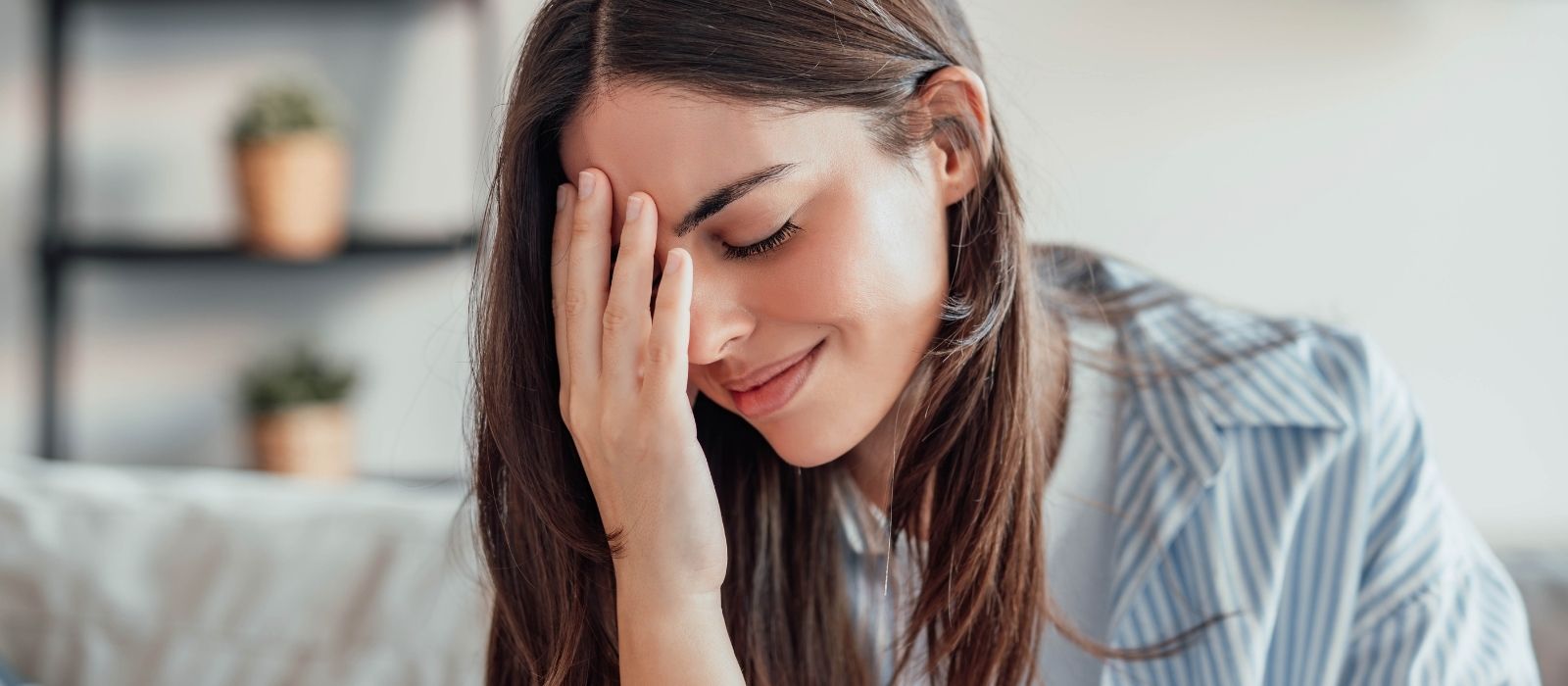
The fatigue hits first, but it's not normal tiredness. You wake up exhausted even after eight hours of sleep. Your energy crashes by 2 PM regardless of what you ate for lunch. Simple tasks like grocery shopping leave you feeling drained for hours.
Your heart starts working overtime. It pounds during activities that used to feel easy — climbing stairs, carrying laundry, playing with kids. This happens because your blood carries less oxygen, so your heart beats faster to compensate.
Strange cravings appear. Ice becomes irresistible. You might find yourself wanting to chew on starch, chalk, or other non-food items. This is called pica, and it's your body's confusing way of seeking minerals it's missing.
Your appearance changes in subtle ways. Skin looks washed out, even if you're naturally darker. Your lower eyelids look pale when you pull them down. Nails become brittle, thin, or develop ridges. Hair feels weaker and might fall out more than usual.
Restless leg syndrome gets worse. That uncomfortable feeling that makes you need to move your legs, especially at night, intensifies when iron stores drop.
Why Women Run Low on Iron
Women need more iron than men — 18 mg daily compared to 8 mg — but they're also losing it monthly through menstruation. Heavy periods can drain iron faster than most diets replace it. A period that lasts longer than seven days or soaks through a pad or tampon hourly qualifies as heavy.
Pregnancy and breastfeeding create massive iron demands. Your blood volume increases by 50% during pregnancy, requiring significantly more iron to support both you and your baby. The CDC recommends 27 mg daily during pregnancy.
Plant-based diets make iron harder to absorb. Non-heme iron from plants gets absorbed at rates of 2-20%, while heme iron from meat absorbs at 15-35%. Vegetarian women need almost twice as much dietary iron to maintain the same levels.
Foods That Actually Raise Iron Levels
Heme iron sources work fastest. Beef liver contains 7 mg per 3-ounce serving. Lean beef provides 3 mg. Chicken and turkey offer 1-2 mg per serving. Shellfish like oysters and clams pack 5-24 mg per 3-ounce serving.
Plant-based iron sources require strategy. Spinach contains 3.2 mg per half cup cooked, but you absorb more when you pair it with vitamin C. Lentils provide 3.3 mg per half cup. Pumpkin seeds offer 2.5 mg per ounce.
Absorption boosters make the difference. Vitamin C from citrus, bell peppers, or strawberries can triple iron absorption from plant foods. Eating iron-rich foods with tomato sauce, lemon juice, or orange slices maximizes what your body actually uses.
Avoid iron blockers during iron-rich meals. Coffee, tea, and calcium supplements reduce iron absorption by up to 60%. Space them at least two hours away from your iron sources.
Cast iron cooking adds measurable iron to food. Cooking acidic foods like tomato sauce in well-seasoned cast iron can increase iron content by 16 mg per serving.
When Food Isn't Enough
Some women need supplements despite eating iron-rich foods. If your ferritin levels drop below 15 ng/mL, food alone might not catch up fast enough. Other nutrient deficiencies can also interfere with iron absorption and utilization.
Heavy menstrual bleeding requires medical attention beyond dietary changes. If you're changing pads or tampons every hour for several consecutive hours, or if periods last longer than seven days, talk to your doctor about underlying causes.
Digestive issues block iron absorption even from supplements. Poor gut health from conditions like celiac disease or inflammatory bowel disease can prevent your body from absorbing iron effectively.
Frequently Asked Questions
How long does it take to fix iron deficiency with food?
Expect 3-6 months of consistent iron-rich eating to rebuild depleted stores. Your energy might improve within 2-4 weeks, but ferritin levels take longer to normalize.
Can you absorb too much iron from food?
Iron toxicity from food alone is extremely rare in healthy people. Your body regulates absorption and reduces uptake when stores are adequate. Supplements pose more risk than dietary iron.
Why am I still tired after eating more iron?
Low iron might not be your only issue. Vitamin D deficiency, thyroid problems, or sleep disorders can cause similar fatigue. Get blood work to check ferritin, vitamin D, and thyroid function together.