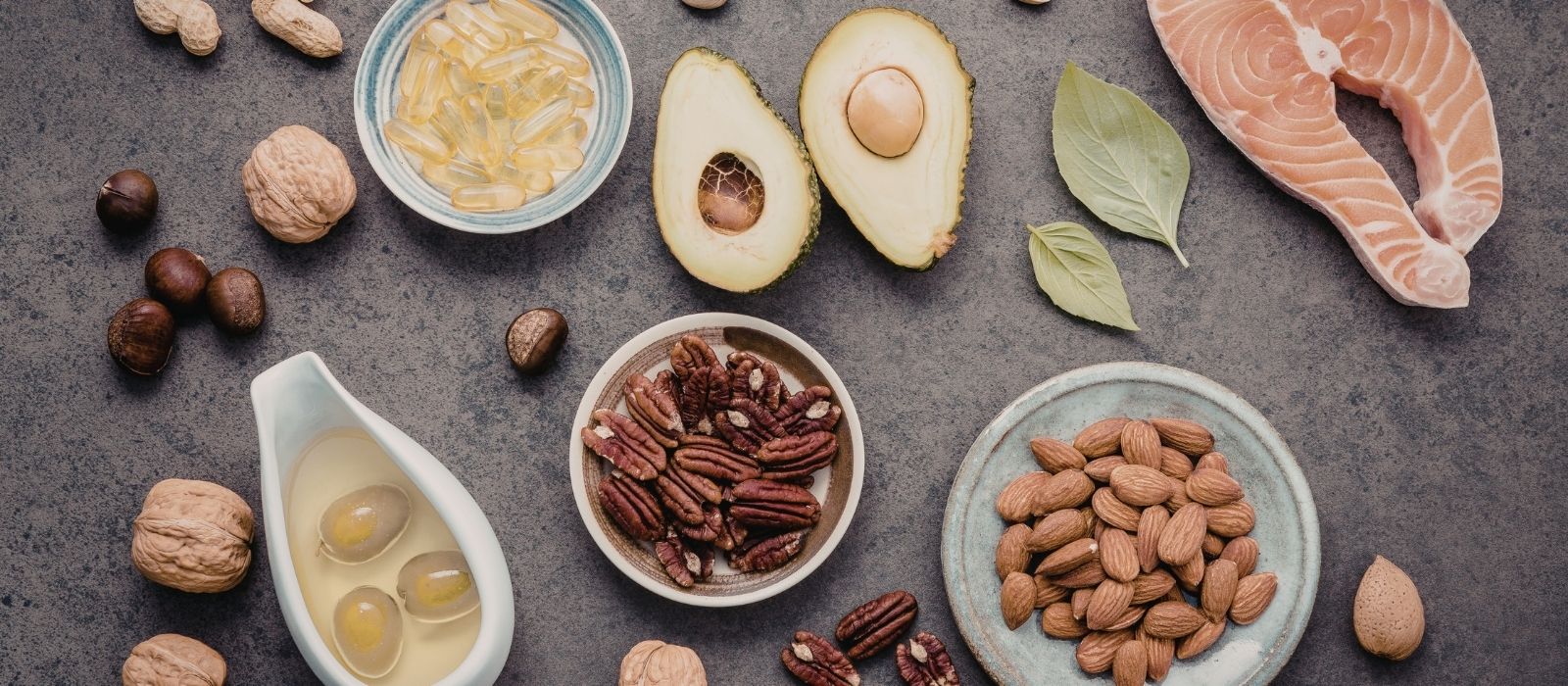
Omega-3s come up everywhere in women's health — hormones, skin, brain, inflammation. Here's what they actually do and the best ways to get them through food.
You see omega-3s recommended for period pain, then brain fog, then dry skin, then joint inflammation. It's like the same nutrient gets credited with fixing everything — which usually means it fixes nothing particularly well.
But omega-3s aren't wellness snake oil. They're structural components of cell membranes throughout your body, especially in your brain, eyes, and reproductive system. When you don't get enough, these systems don't function optimally. The problem is most women aren't getting nearly enough from food.
Health Canada recommends 1.1 grams of omega-3s daily for women, but that's based on preventing deficiency diseases, not supporting optimal function. Most nutrition researchers suggest 2-3 grams daily for women dealing with inflammatory conditions, hormonal imbalances, or cognitive demands.
What Omega-3s Actually Do for Women's Health
Omega-3 fatty acids — specifically EPA and DHA — reduce inflammation at the cellular level. This isn't the dramatic inflammation you see with injuries. It's chronic, low-grade inflammation that contributes to everything from menstrual cycle irregularities to brain fog to premature skin aging.
For reproductive health, omega-3s help regulate prostaglandins — hormone-like compounds that control period pain, blood flow, and ovulation. A study from the American Journal of Obstetrics and Gynecology found women taking 2 grams of omega-3s daily had significantly less menstrual pain compared to those taking ibuprofen.
Brain function depends heavily on DHA, which makes up about 15% of your brain's fatty acids. Low omega-3 levels correlate with depression, anxiety, and cognitive decline in women, particularly during perimenopause and menopause. The brain can't manufacture DHA efficiently, so it relies entirely on dietary sources.
Best Food Sources vs Supplements
Fatty fish delivers the most bioavailable omega-3s. Salmon, mackerel, sardines, and anchovies provide both EPA and DHA in forms your body absorbs easily. A 3.5-ounce serving of wild salmon contains about 1.8 grams of omega-3s. Canned sardines pack about 1.4 grams per serving and cost under $3 per can.
Plant sources like flax seeds, chia seeds, and walnuts contain ALA — a different type of omega-3 that your body converts to EPA and DHA. The conversion rate is low, around 5-10%, so you'd need massive amounts to match fish intake. Two tablespoons of ground flaxseed provide about 3.2 grams of ALA, but only 0.16-0.32 grams convert to usable EPA and DHA.
Fish oil supplements bypass conversion issues but come with trade-offs. Many contain oxidized oils that can increase inflammation instead of reducing it. Look for third-party tested brands with EPA and DHA amounts clearly listed. Cod liver oil provides omega-3s plus vitamin D, but watch the vitamin A content if you're taking other supplements.
How Much You Actually Need
Most women need 2-3 grams of combined EPA and DHA daily for noticeable benefits. That's roughly two servings of fatty fish per week, or one serving plus a quality supplement providing 1-2 grams.
Timing doesn't matter much, but taking omega-3s with fat-containing meals improves absorption. They work synergistically with other nutrients — particularly magnesium for muscle function and anti-inflammatory compounds in colorful vegetables.
If you're vegetarian or vegan, algae-based supplements provide EPA and DHA without fish. They're more expensive but environmentally sustainable and avoid potential mercury exposure from fish sources.
Frequently Asked Questions
Do I need omega 3 supplements if I eat fish twice a week
Probably not if you're eating fatty fish like salmon, sardines, or mackerel. Two servings provide about 3-4 grams of omega-3s weekly, which meets most women's needs. If you're eating white fish like cod or tilapia, you'll need supplements since these contain minimal omega-3s.
Can omega 3s help with period pain and PMS
Yes, studies show omega-3s reduce menstrual pain and PMS symptoms by regulating inflammatory prostaglandins. Most research used 2-3 grams daily for at least three months. The anti-inflammatory effects take time to build up in your system.
What happens if you take too much omega 3
Doses above 5 grams daily can increase bleeding risk and interfere with immune function. High doses may also cause fishy burps, digestive upset, and oxidative stress if the oils are poor quality. Stick to 2-3 grams daily unless working with a healthcare provider who's monitoring specific health conditions.