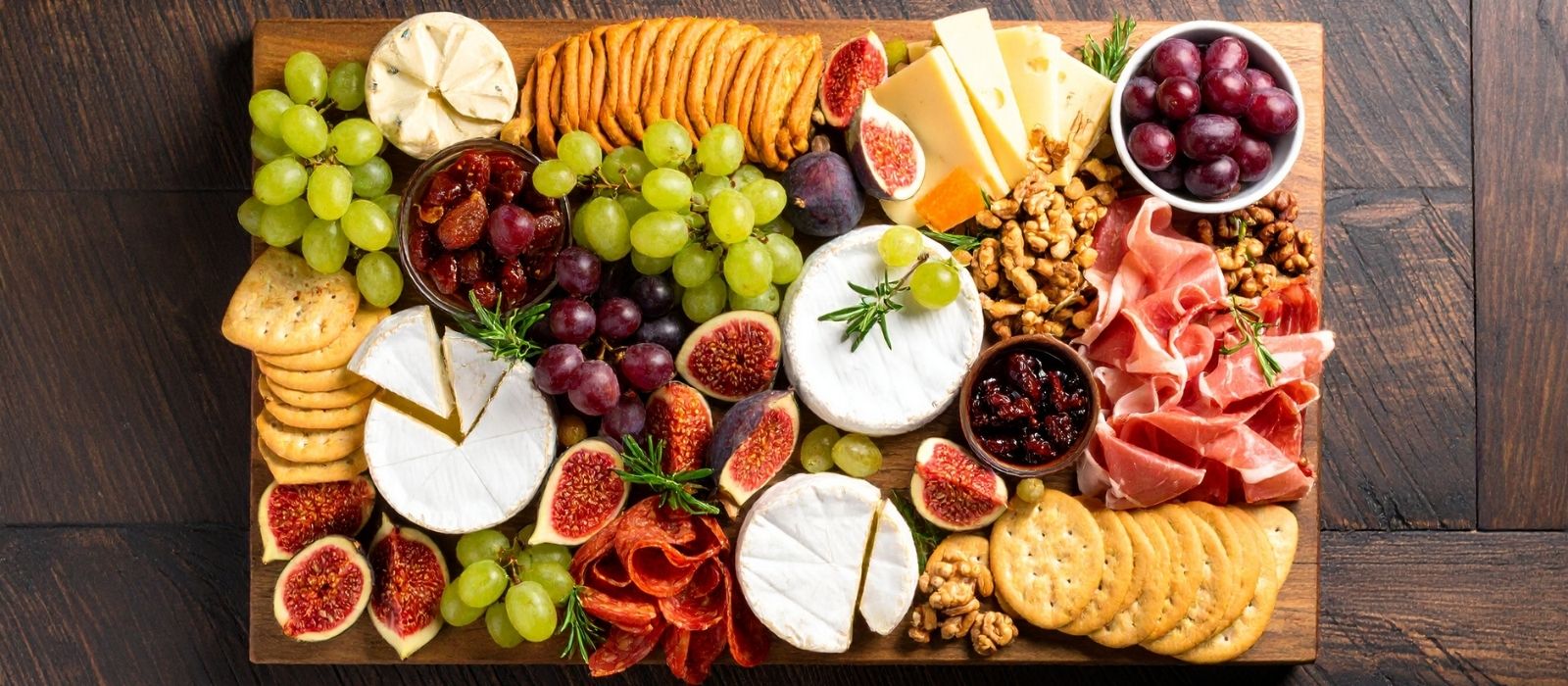
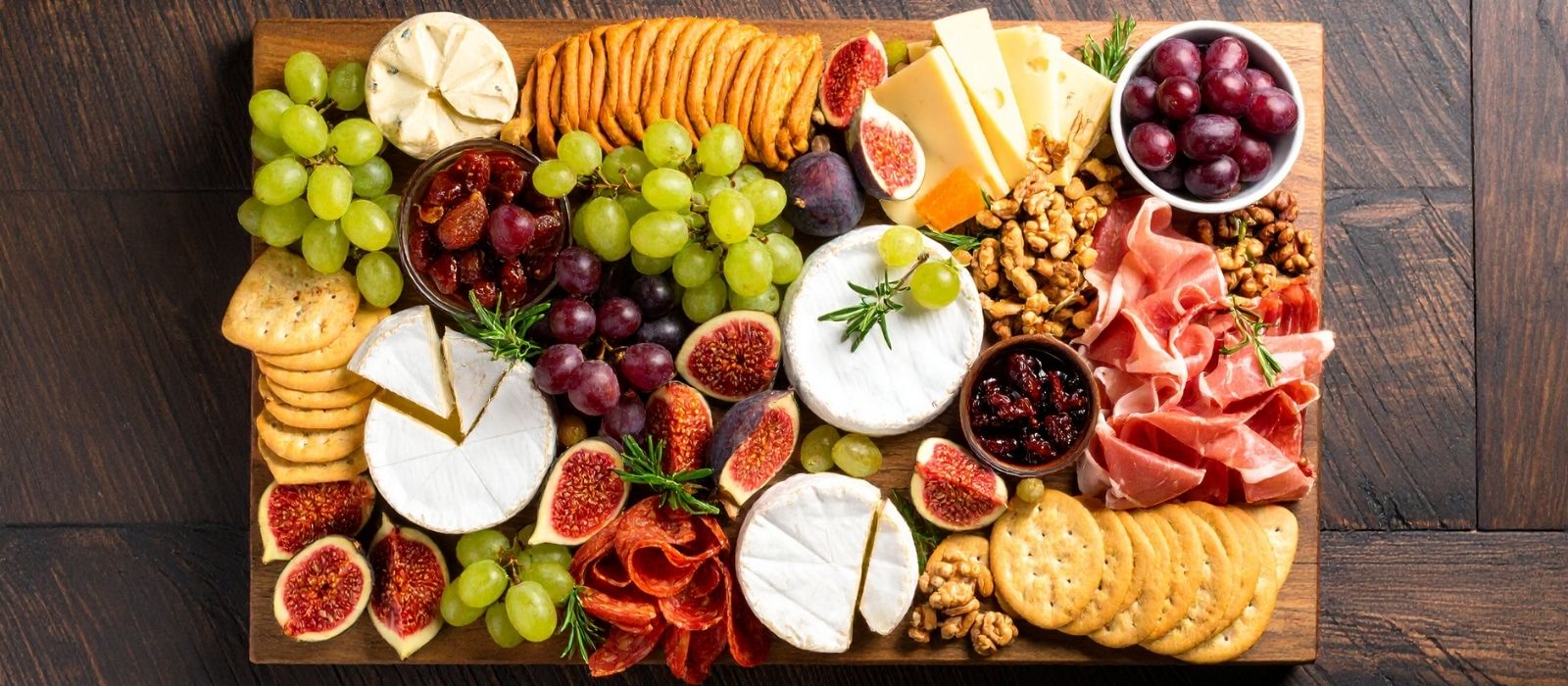
Most boards leave you hungry an hour later. Here's how to build one that actually satisfies — built around foods that keep your blood sugar steady.
You spend twenty minutes arranging your charcuterie board. Instagram it. Eat it. An hour later, you're standing in front of the fridge looking for something that will actually fill you up.
That crash happens because most boards are built backwards. They prioritize what looks good over what sustains you. The ratio is all wrong — too many refined carbs, not enough protein, and barely any fiber to slow down digestion. Your blood sugar spikes, then drops, leaving you hungrier than when you started.
The solution isn't to skip the board. It's to flip the formula. Build around foods that keep your energy steady instead of foods that photograph well. You'll still get the visual appeal, but you'll actually stay satisfied for three hours instead of thirty minutes.
Start With Protein as Your Foundation
Most people treat meat and cheese like garnish. They add a few thin slices, then fill the rest with crackers and dried fruit. That's why you crash. Protein should cover at least half your board's real estate, not just accent it.
Choose options with actual substance. Thick-cut salami, hunks of aged cheddar you can slice yourself, hard-boiled eggs, smoked salmon, or rolled turkey. Skip the paper-thin prosciutto that dissolves on your tongue. You need protein dense enough to slow digestion and trigger satiety hormones that tell your brain you're full.
Aim for 15-20 grams of protein minimum across your entire board. That's roughly three ounces of meat plus two ounces of cheese. Your body processes protein slowly, which prevents the blood sugar rollercoaster that leaves you hungry again within an hour.
Choose Carbs That Work With Your Blood Sugar
Crackers aren't evil, but most brands spike your blood sugar faster than candy. The problem is refined flour without fiber to slow absorption. Your charcuterie board ideas need to include smarter carb choices that complement your protein instead of overwhelming it.
Swap regular crackers for seed crackers made with flax, chia, or pumpkin seeds. Mary's Gone Crackers and Simple Mills make versions with actual fiber content. Or skip crackers entirely and use cucumber rounds, bell pepper strips, or endive leaves as vehicles for your cheese and meat.
If you want bread, choose something dense with visible seeds and grains. A few slices of genuine sourdough work too — the fermentation process creates beneficial bacteria that help moderate blood sugar response.
Add Fiber-Rich Vegetables That Actually Taste Good
Raw broccoli and cherry tomatoes make boards look healthy, but they don't make them satisfying. You need vegetables with enough flavor and texture to hold their own against rich cheeses and cured meats.
Roasted red peppers, marinated artichoke hearts, olives, and pickled vegetables all work. They provide fiber to slow digestion while adding acidity that cuts through fat. Fresh vegetables like snap peas, radishes with good salt, or fennel slices offer crunch without the blood sugar spike of crackers.
Avocado deserves special mention. It's technically a fruit but functions like a fat, providing steady energy and helping you absorb fat-soluble vitamins from other board components. Slice it fresh or make a quick guacamole if you're feeding more people.
Strategic Fruit Selection Prevents Sugar Overload
Dried fruit is charcuterie board candy. It concentrates sugar without the fiber and water content that slows absorption in fresh fruit. A handful of dried apricots contains the same sugar as three whole fresh apricots, but your body processes it like straight glucose.
Stick with fresh fruit that's naturally lower in sugar. Berries, green apple slices, or pear wedges pair beautifully with cheese while providing fiber and antioxidants. If you want something sweeter, choose fresh figs or grapes, but treat them like dessert, not the main event.
The key is proportion. Fresh fruit should occupy maybe ten percent of your board's space, not thirty percent like most Instagram-worthy boards suggest.
Build Your Board in the Right Order
Start with your largest protein items first — the wedges of cheese, rolled meats, or small bowls of nuts. These anchor the board and prevent you from accidentally making them secondary elements.
Fill gaps with your smartest carb choices, then add vegetables for color and crunch. Fruit goes on last, in small amounts, to fill any remaining spaces. This visual hierarchy matches how your body should encounter these foods — protein and fiber first, simple carbs last.
How to build a charcuterie board that sustains you comes down to ratios. When protein and fiber dominate, your blood sugar stays stable. When refined carbs and dried fruit dominate, you crash. The board looks the same either way, but only one version keeps you satisfied until your next meal.
Frequently Asked Questions
What's the best protein to carb ratio for a charcuterie board?
Aim for 60% protein and fat, 30% vegetables and fiber-rich foods, and only 10% refined carbs and fruit. This prevents blood sugar spikes while keeping you full for 3-4 hours instead of just one.
Can you make a blood sugar friendly charcuterie board ahead of time?
Yes, but add fresh elements like avocado and apple slices right before serving to prevent browning. Most components like cheese, cured meats, and pickled vegetables actually improve in flavor after sitting together for a few hours.
What are the best crackers that won't spike blood sugar on a grazing board?
Seed crackers made with flax, chia, or pumpkin seeds contain fiber and healthy fats that slow sugar absorption. Mary's Gone Crackers, Simple Mills, and Hu Kitchen make good options with under 5g net carbs per serving.