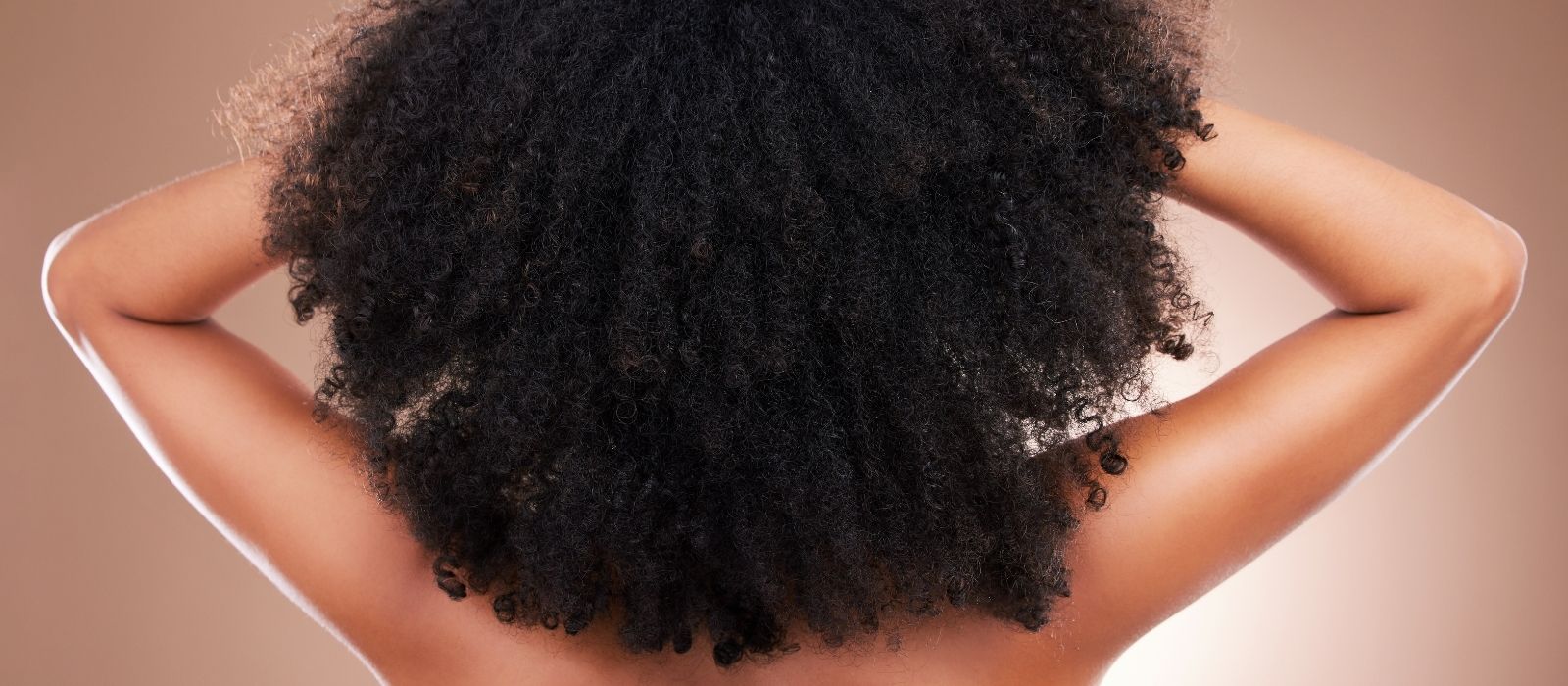
Hair breakage is different from hair loss — it happens along the shaft, not at the root. Here's how to identify the cause and what fixes each one.
You brush your hair and find short pieces scattered across your sink. Your ponytail feels thinner than it used to. But when you look at what's actually coming out, you notice something specific — these aren't full strands with white bulbs at the ends. They're broken pieces, snapped off somewhere along the shaft.
That's hair breakage, not hair loss, and it's a completely different problem with completely different solutions. Why is my hair breaking comes down to four main culprits: protein-moisture imbalance, mechanical damage, chemical damage, or nutritional deficiency. The trick is figuring out which one is destroying your strands.
Hair breakage happens when the hair shaft becomes weak and snaps under normal stress. Hair loss happens when strands fall out from the root due to hormonal changes, genetics, or scalp conditions. If you're finding short pieces without roots, you're dealing with breakage. If you're finding full strands with white bulbs, that's shedding.
Protein-Moisture Imbalance: When Your Hair Gets Brittle or Mushy
Your hair needs both protein and moisture to stay flexible and strong. Too much protein makes hair rigid and prone to snapping. Too much moisture makes hair weak and stretchy. Both lead to breakage, but they feel completely different.
Protein-overloaded hair feels dry, rough, and breaks with a sharp snap. It won't hold moisture no matter how much conditioner you use. This happens when you use too many reconstructive treatments or products with hydrolyzed proteins without balancing them with moisture.
Moisture-overloaded hair feels mushy, limp, and stretches like taffy before breaking. It takes forever to dry and feels weak when wet. This happens when you skip protein treatments entirely or use only moisturizing products for months.
The fix depends on which imbalance you have. Protein overload needs deep conditioning treatments and protein-free products for 2-3 weeks. Moisture overload needs protein treatments and clarifying to remove buildup that's preventing protein absorption.
Mechanical Damage: When Your Routine Destroys Your Strands
Mechanical damage comes from physical stress — tight hairstyles, aggressive brushing, rough towel drying, or sleeping on cotton pillowcases. This type of breakage typically happens at specific points: around your hairline from tight ponytails, at mid-lengths from brushing knots, or at the crown from friction against pillowcases.
You can identify mechanical damage by where the breakage occurs. If it's concentrated around your edges or where you pull your hair back, tension is the culprit. If it's happening all over but mostly at the ends, you're probably being too rough during detangling or styling.
Heat damage is mechanical damage too, but it has a specific look — hair that breaks with white or lighter-colored ends, feels rough even when moisturized, and won't curl or straighten evenly anymore. Heat breaks down the protein bonds in your hair shaft, making it weak and brittle.
Chemical Damage: When Processing Goes Wrong
Chemical damage from relaxers, perms, bleach, or color creates weak spots along the hair shaft. These treatments alter your hair's structure to change its shape or color, but they can also make it fragile if done too frequently or left on too long.
Chemically damaged hair breaks unevenly and often has a different texture than your natural hair. Bleached hair might feel gummy when wet and rough when dry. Over-processed relaxed hair often breaks right at the line where new growth meets previously treated hair.
The only real fix for severe chemical damage is cutting it off and starting fresh. But you can prevent further damage with bond repair treatments that help rebuild broken protein chains and regular deep conditioning to maintain flexibility.
Nutritional Deficiency: When Your Body Can't Build Strong Hair
Hair is made of protein, specifically keratin, so nutritional deficiencies can make it weak and prone to breaking. Iron deficiency, low protein intake, and insufficient biotin or zinc can all affect hair strength, though this type of breakage usually comes with other symptoms like fatigue or brittle nails.
Nutritional breakage tends to affect your entire head of hair rather than specific sections. The hair grows out weak from the root, so you'll see breakage starting about 3-4 months after the deficiency began — that's how long it takes for hair to grow from your scalp to a noticeable length.
This requires addressing the underlying deficiency through diet changes or supplements, not just topical treatments. But while you're working on nutrition, strengthening treatments can help protect the hair you have.
Frequently Asked Questions
How can I tell if my hair is breaking or just shedding normally?
Look at what's coming out. Normal shedding produces full strands with white or clear bulbs at the root end. Hair breakage creates shorter pieces with no root attached, often with jagged or blunt ends where the hair snapped.
Can hair breakage be reversed once it happens?
No, once hair breaks off, that piece is gone permanently. But you can stop further breakage by identifying and fixing the cause, and the remaining hair will continue growing normally. Deep conditioning and protein treatments can strengthen existing hair to prevent more breakage.
How long does it take to see improvement after fixing hair breakage causes?
You should see less breakage within 2-4 weeks of addressing the cause, but it takes 3-6 months to see significant length retention since hair grows about half an inch per month. The key is consistency with whatever treatment your specific type of breakage needs.