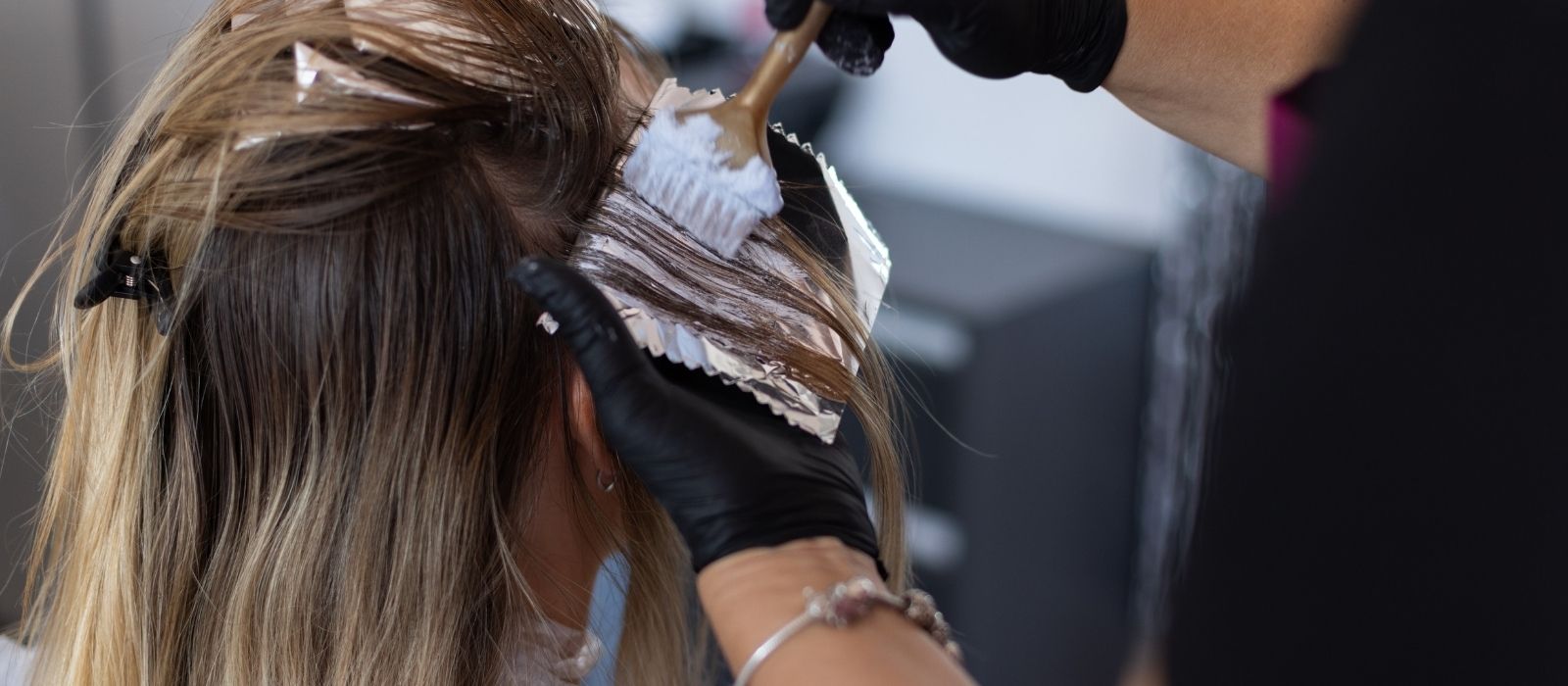
Colour-treated hair has specific structural needs. Here's what colouring does to your hair — and what your routine actually needs to maintain it.
Your hair colour looks incredible for the first two weeks. Then it starts fading, feeling drier, and breaking more easily than before. You switch to colour-safe shampoo, but nothing else changes. Three months later, you're scheduling another expensive touch-up because your hair can't hold the colour anymore.
The problem isn't your colour-safe products. It's that colour-treated hair has completely different structural needs that most routines ignore. When you colour your hair, you're not just adding pigment — you're permanently altering the hair shaft's architecture. Your routine needs to address those specific changes, not just avoid stripping colour.
Here's what actually happens during the colouring process and what your hair needs afterward to stay healthy and vibrant.
What Colouring Actually Does to Your Hair Structure
Hair colour works by forcing open your hair's cuticle layers — the overlapping scales that protect the inner shaft. Ammonia or similar alkaline agents swell the cuticle so colour molecules can penetrate. Peroxide then breaks down your natural melanin and deposits new pigment molecules inside the cortex.
This process increases your hair's porosity permanently. Higher porosity means colour molecules can escape just as easily as they entered. It also means moisture, protein, and other essential components leak out faster than before. Your hair becomes a sieve instead of a sealed tube.
The chemical process also weakens disulfide bonds — the protein links that give hair its strength and elasticity. These bonds don't fully repair on their own. Without intervention, coloured hair becomes progressively weaker with each wash, style, and environmental exposure.
Why Generic Hair Care Falls Short
Regular shampoos and conditioners are formulated for hair with intact cuticles and normal porosity. They can't fill the gaps that colouring creates or replace the bonds that chemical processing weakens.
Colour-safe formulas avoid sulfates that strip colour quickly, but they don't address the underlying structural damage. Your hair holds colour better temporarily, but the shaft continues deteriorating underneath. That's why colour-treated hair often looks dull and feels brittle even with gentle products.
Effective bond repair treatments contain ingredients like bis-aminopropyl diglycol dimaleate or maleic acid that reconnect broken protein links. These aren't just moisturizing — they're reconstructing your hair's internal architecture.
What Your Colour-Treated Hair Actually Needs
Protein treatments once weekly rebuild the structural damage that colouring creates. Look for hydrolyzed proteins small enough to penetrate the hair shaft — keratin, silk, or wheat protein work well. Skip this if your hair feels stiff or snaps easily, which signals protein overload.
pH-balanced products between 4.5 and 5.5 help seal the cuticle layers that colouring forces open. Most drugstore shampoos sit around pH 6-7, which keeps cuticles slightly raised. Lower pH formulations smooth the cuticle and lock colour molecules inside longer.
Deep conditioning masks with ceramides or natural oils fill porosity gaps that let colour leak out. Use these 2-3 times weekly for the first month after colouring, then weekly for maintenance. Avoid masks with too much protein if you're already using protein treatments.
Heat protectants become non-negotiable because colour-treated hair can't withstand the same temperatures as virgin hair. Damaged cuticles offer less protection, so heat damage happens faster and goes deeper. Limit hot tools to once or twice weekly maximum.
Common Mistakes That Accelerate Damage
Over-washing strips colour and moisture faster from compromised hair. Twice weekly is usually enough unless you have very oily roots. Use dry shampoo between washes to extend time between cleansing sessions.
Using clarifying shampoos regularly removes colour along with buildup. Save these for once monthly maximum, and follow immediately with a deep conditioning treatment to replace lost moisture.
Skipping heat protection or using inadequate formulations causes permanent damage that no amount of conditioning can reverse. Colour-treated hair needs products with both thermal protection and film-forming ingredients that seal the cuticle during styling.
The most effective approach treats colour-treated hair like chemically damaged hair — because that's exactly what it is. Focus on rebuilding structural integrity, not just maintaining colour. When your hair shaft is healthy, it holds pigment longer and looks better between appointments.
FAQ
How often should I wash colour treated hair
Wash colour-treated hair 2-3 times per week maximum. More frequent washing strips colour molecules and natural oils faster from damaged cuticles. Use dry shampoo between wash days to manage oil without removing colour.
What ingredients should I avoid in colour treated hair products
Avoid sulfates, high pH cleansers above 6.0, and alcohol-based styling products. These ingredients strip colour quickly and worsen the porosity damage that colouring creates. Also skip clarifying shampoos except once monthly.
Do I need protein treatments for coloured hair
Yes, but only if your hair feels weak or stretchy when wet. Colour processing breaks protein bonds that need rebuilding. Use hydrolyzed protein treatments weekly, but stop if hair feels stiff or brittle — that signals protein overload.