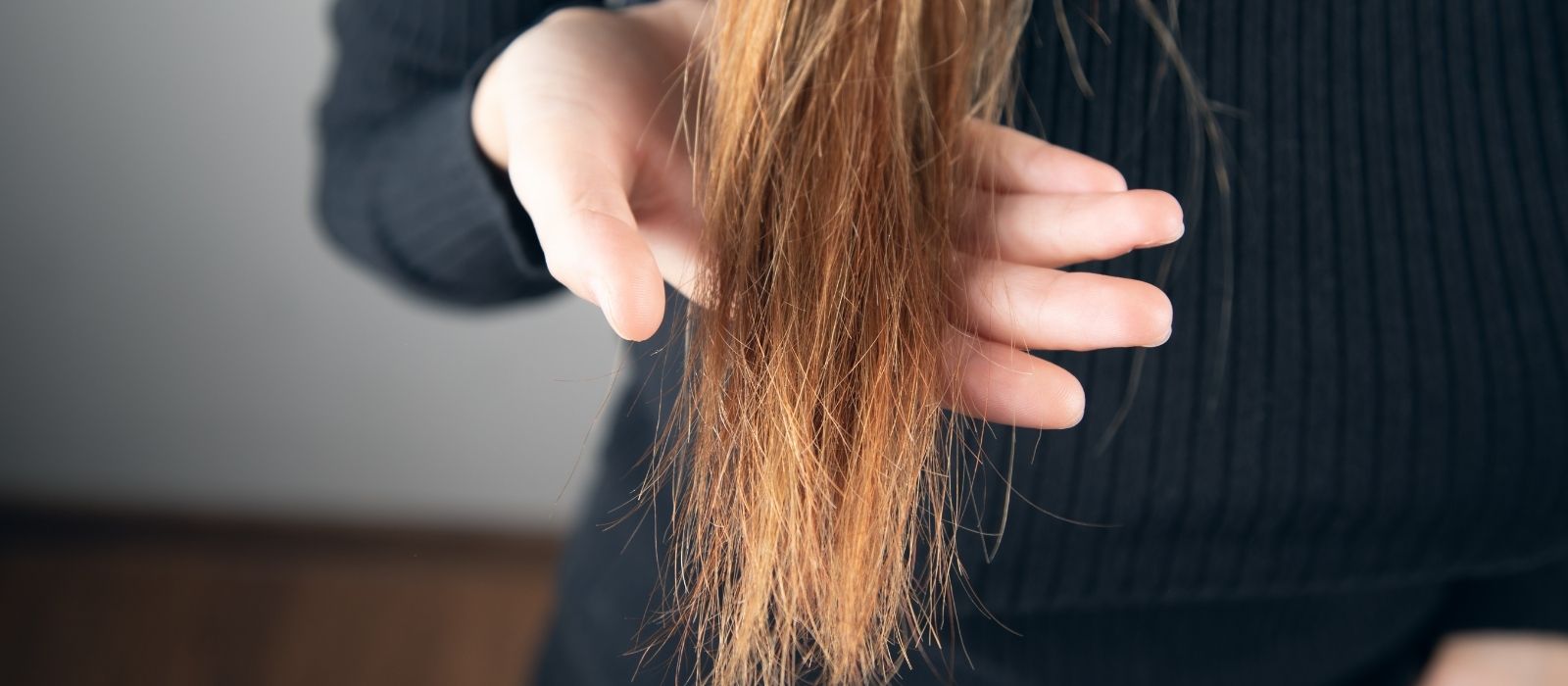
Heat damage is largely irreversible — which means prevention matters. Here's what happens to hair structure under heat and what actually protects it.
Your flat iron sits at 450°F. The proteins in your hair start breaking down at 347°F.
Most people don't realize their styling routine crosses that threshold every single day. You see the split ends, the dryness, the way your curls won't hold their pattern anymore. But the real damage happens inside the hair shaft where you can't see it.
Heat damage isn't like a stain you can wash out or dryness you can moisturize away. When those protein bonds break, they don't reform. The goal isn't repair — it's prevention. Here's what actually happens when you apply heat to your hair and how to protect hair from heat damage without giving up your styling routine.
What Heat Actually Does to Your Hair Structure
Hair is made of keratin proteins arranged in long chains held together by hydrogen bonds, disulfide bonds, and salt bridges. Think of it like a ladder where the rungs are these bonds. Heat breaks those rungs systematically, starting with the weakest ones.
At 300°F, hydrogen bonds start breaking. These reform when hair cools, which is why heat styling works in the first place. At 347°F, disulfide bonds begin breaking. These don't repair themselves. At 400°F and above, the cuticle layer starts lifting permanently, and the cortex begins to degrade.
The cuticle is your hair's protective outer layer made of overlapping scales. When heat lifts these scales repeatedly, moisture escapes faster and your hair loses its natural protection. The cortex underneath contains the proteins that give hair its strength and elasticity. Damage here shows up as breakage, loss of curl pattern, and that limp feeling where your hair won't hold any style.
What Heat Protectants Actually Do
Heat protectants create a barrier between your hair and the heat source, but they don't make high temperatures safe. Most contain silicones like cyclopentasiloxane or dimethicone that form a thin coating around each strand. This coating has a higher heat tolerance than hair proteins, so it absorbs some of the thermal damage instead.
Quality heat protectants reduce heat damage by 20-40% according to research from the International Journal of Cosmetic Science. That's significant protection, but it's not complete immunity. Using a heat protectant and cranking your flat iron to maximum still causes damage — just less of it.
The best heat protectants also contain humectants like glycerin that help maintain moisture during styling, plus proteins that temporarily fill in damaged areas of the cuticle. But remember: they're buying you time, not erasing the consequences of excessive heat.
Temperature and Technique Changes That Actually Matter
The biggest difference you can make is lowering your tool temperature. Fine hair should never exceed 300°F. Medium hair can handle 350°F max. Coarse or thick hair might need 400°F, but going higher doesn't make styling more effective — it just causes more damage.
Your technique matters more than your temperature setting. Multiple passes at high heat cause more damage than fewer passes at moderate heat. Work in small sections so you don't need to repeat areas. Keep the tool moving instead of clamping down in one spot.
Hair that's even slightly damp when you apply heat suffers more damage because the moisture turns to steam inside the shaft. This creates pressure that can crack the cuticle from the inside out. Always blow-dry completely before using flat irons or curling tools.
The Prevention Strategy That Works
Start with freshly washed hair and apply a heat protectant to damp strands before blow-drying. Use a lower temperature setting and work systematically through small sections. If you're using multiple heat tools, bond repair treatments can help maintain hair strength between styling sessions.
Limit heat styling to 2-3 times per week maximum. On off days, embrace air-drying and protective styles. If your hair is already showing signs of damage like excessive dryness or breakage, focus on stopping further breakage while you grow out the damaged sections.
For color-treated hair, which is already more vulnerable, specialized care routines become even more critical when you're using heat tools regularly.
Heat damage accumulates over time. What seems like minor styling today shows up as major problems months later. The hair you're styling now won't show the full effects for 6-8 weeks as it grows and the damage becomes visible. Prevention isn't just about today's styling session — it's about protecting the hair you'll be living with next season.
Frequently Asked Questions
Can you repair heat damaged hair or is it permanent
Heat damage to the hair shaft is permanent. Once disulfide bonds break, they don't reform. You can temporarily improve the appearance with moisturizing and protein treatments, but the structural damage remains until you cut it off and grow new healthy hair.
Do heat protectants actually work or are they just marketing
Heat protectants reduce thermal damage by 20-40% according to peer-reviewed research. They work by creating a barrier with higher heat tolerance than hair proteins. They're not complete protection, but they do provide measurable benefits when used correctly.
What temperature should I use for different hair types
Fine hair: maximum 300°F. Medium texture: up to 350°F. Thick or coarse hair: maximum 400°F. Going higher doesn't improve results and significantly increases damage risk. Damaged or chemically treated hair should stay at the lower end regardless of thickness.