

Clean Hair Products: What to Look For and What to Actually Avoid
- Feb 19, 2025
- 5 min read
Updated: 1 day ago
Clean beauty has taken over skincare, and now it's doing the same thing to hair care. But unlike skincare, where "clean" often means gentler formulas, hair products labeled "clean" can sometimes leave your hair looking and feeling worse than conventional options.
The issue isn't that clean hair products don't work—it's that many people don't know what ingredients actually matter and which ones are just marketing noise. Some ingredients flagged as "toxic" are perfectly safe in the amounts used in hair products.
Meanwhile, truly problematic ingredients often fly under the radar because they have less scary-sounding names. Here's what to look for, what to skip, and why it matters for your hair and scalp health.

What "Clean" Actually Means for Hair Products
There's no legal definition for "clean" in beauty products. Brands decide their own standards, which is why one company's clean formula might contain ingredients another brand avoids completely.
Most clean hair brands exclude sulfates, parabens, silicones, synthetic fragrances, and phthalates. Some go further and remove mineral oils, formaldehyde-releasing preservatives, and certain alcohols too.
The problem with this broad approach is that not all of these ingredients are equally harmful. Sulfates can be drying for some hair types but aren't dangerous. Parabens have been studied extensively and are considered safe in cosmetic concentrations by dermatologists and toxicologists.
Clean doesn't automatically mean better. It means different formulations with ingredient restrictions that may or may not benefit your specific hair needs.
Harmful Hair Ingredients to Avoid in Clean Hair Products
Some ingredients deserve the scrutiny they get. These are the ones that can genuinely damage hair, irritate scalps, or cause buildup that prevents other products from working properly.
Harsh Sulfates Sodium lauryl sulfate (SLS) and sodium laureth sulfate (SLES) are aggressive detergents that strip natural oils. For people with dry, color-treated, or textured hair, these sulfates cause frizz, dryness, and faster color fade.
Milder sulfates like sodium lauryl sulfoacetate exist and clean effectively without the same stripping effect. If your shampoo foams heavily and leaves your hair squeaky clean, it probably contains harsh sulfates.
Heavy Silicones Dimethicone and similar silicones coat hair strands to create smoothness and shine. That sounds great until the buildup prevents moisture from penetrating your hair shaft.
For fine or low-porosity hair, silicones can make hair look limp and greasy. They're particularly problematic for people following the curly girl method or trying to maintain natural texture, since they weigh curls down and require harsh cleansers to remove.
Water-soluble silicones like cyclomethicone evaporate and don't cause the same buildup issues, but most conventional products use the heavier versions.
Drying Alcohols Not all alcohols are bad, but certain short-chain alcohols like isopropyl alcohol, SD alcohol, and alcohol denat dry out hair by evaporating moisture quickly.
These show up frequently in styling products like hairsprays and mousse. They help products dry faster but leave hair brittle over time, especially with repeated use.
Fatty alcohols like cetyl alcohol and stearyl alcohol are different—they're actually moisturizing and help condition hair.
Synthetic Fragrances "Fragrance" on an ingredient list can represent hundreds of undisclosed chemicals, some of which irritate sensitive scalps or trigger allergic reactions.
Natural fragrances aren't automatically better (essential oils can be irritating too), but at least you know what you're getting. Fragrance-free products eliminate this variable entirely.

Ingredients Actually Worth Having
Clean formulas work when they replace problematic ingredients with effective alternatives. These are the hair care ingredients that deliver results without the downside.
Gentle Cleansers Decyl glucoside, coco-glucoside, and sodium cocoyl isethionate clean hair without stripping. They're derived from coconut or corn and produce less foam than sulfates, which makes people think they're not working—but they are.
These gentle surfactants are especially good for curly, coily, or color-treated hair that needs cleaning without the damage harsh sulfates cause.
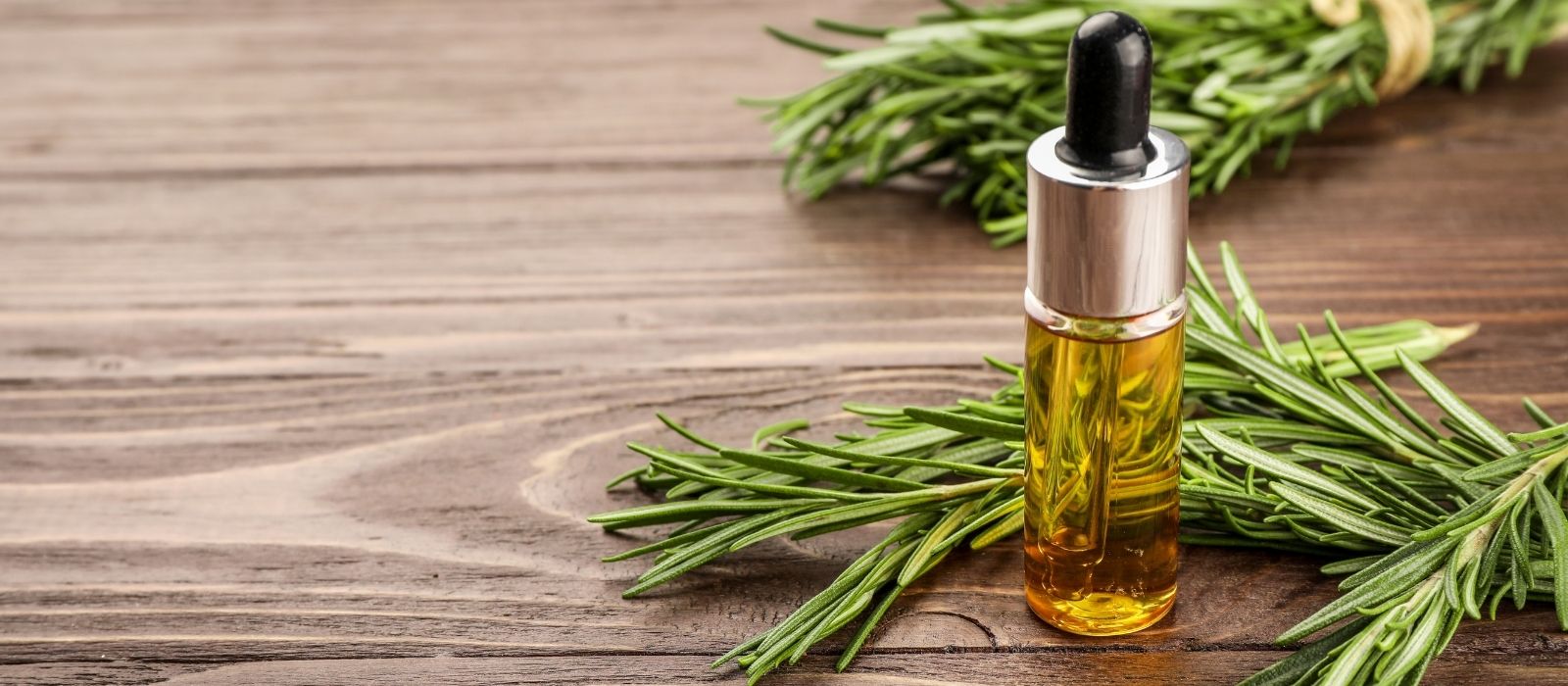
Natural Oils Argan oil, jojoba oil, and coconut oil penetrate the hair shaft to moisturize from within rather than just coating the outside. They work particularly well for dry or damaged hair that needs deep conditioning.
Different natural oils work better for different hair types. Lightweight oils like argan suit fine hair, while thicker oils like coconut handle coarse or very dry textures.
Plant Butters Shea butter and cocoa butter provide moisture and help seal the hair cuticle, reducing frizz and breakage. They're heavier than oils, making them ideal for thick, textured, or extremely dry hair.
For fine hair, plant butters can be too heavy and cause buildup, so use them sparingly or stick with lighter oils instead.
Proteins Hydrolyzed wheat protein, silk protein, and keratin strengthen hair by filling in gaps in the cuticle. Protein treatments are especially helpful for damaged, chemically treated, or heat-styled hair.
Too much protein makes hair stiff and brittle (protein overload), so balance protein treatments with moisture-focused products. If your hair feels dry and breaks easily despite conditioning, you might need more protein. If it feels stiff and crunchy, you need less.
Clean Products and Different Hair Types
What works for one hair type might wreck another. Clean formulas need to match your hair's specific needs, not just avoid certain ingredients.
Fine or Oily Hair Skip heavy oils and butters. Look for lightweight cleansers that remove buildup without over drying. Volumizing products with rice protein or sea salt add body without weight.
Curly or Coily Hair Avoid sulfates and silicones completely. Focus on moisture-rich products with natural oils, butters, and humectants like glycerin. The curly girl method specifically requires clean, sulfate-free formulas. Learn more about keeping curls defined with the right products.
Color-Treated Hair Harsh sulfates strip color faster. Choose gentle cleansers and products with UV filters to prevent fading. Protein treatments help repair damage from chemical processing.
Dry or Damaged Hair Heavy moisture is your friend. Look for products with multiple oils, butters, and proteins to repair damaged hair. Avoid drying alcohols and harsh cleansers that make dryness worse.
Reading Labels Like You Mean It
Ingredients are listed by concentration, with the highest amounts first. If water is first and your "nourishing oil" is listed after preservatives near the end, you're mostly buying water and marketing.
Marketing terms like "botanical," "natural," or "organic" don't guarantee effectiveness or safety. A product can be 95% natural and still contain ingredients that don't work for your hair type.
Watch for greenwashing—brands that emphasize one or two clean ingredients while quietly including problematic ones further down the list. If a shampoo brags about being sulfate-free but contains four types of drying alcohols, it's not doing you any favors.
The Price Tag Question
Clean hair products often cost more than conventional options. Sometimes that's justified by higher-quality ingredients. Other times you're paying for packaging and marketing.
Plenty of budget-friendly brands offer clean formulas without the luxury price point. Check drugstore brands that have reformulated to remove sulfates and silicones—you don't always need to spend $40 on shampoo to avoid harsh ingredients. Find more budget hair care tips for affordable clean options.
Expensive doesn't always mean better, and cheap doesn't automatically mean harmful. Read the ingredient list regardless of price.
Your hair doesn't care about brand names or influencer partnerships. It responds to the actual ingredients touching your scalp and strands. Choose clean hair products based on what your hair needs, not what sounds cleanest on paper.