

top of page

Which Natural Oil Is Best for Your Hair Type?

  • Oct 2, 2024
  • 4 min read

Updated: 4 days ago

You don’t need five oils. You need the one that solves the problem your hair is actually having.

A lot of us buy oil based on promise. Shine. Growth. “Nourishing.” Then we use it twice, don’t see much change, and the bottle drifts to the back of the cabinet. The issue usually isn’t the oil. It’s the mismatch.

Different oils behave differently once they hit your hair. Some sink in. Some sit on top. Some are better for your scalp than your ends. And if you’ve ever used a heavy oil on fine hair, you already know how quickly things can go wrong.

If you’re wondering which natural oil is best for your hair type, start with three things: strand thickness, porosity, and scalp condition. Fine hair usually does better with lightweight oils like argan or jojoba, while coarse or tightly coiled hair often benefits from heavier oils like castor or olive to help hold moisture in place.

That distinction shows up fast.


Close-up of hands styling curly hair with a spray bottle, against a plain background. The hair is light brown with highlights.

Start With Strand Thickness

Strand thickness changes everything.

Fine hair has a smaller diameter, so it can’t hold much weight before it starts looking flat. A thick oil that works beautifully on dense curls can make fine hair separate and look stringy within minutes.

Argan oil is often a better fit here. It’s light, absorbs quickly, and smooths the cuticle without coating it heavily. Three to five drops on damp ends is usually enough for shoulder-length hair. More than that and you’ll feel it.

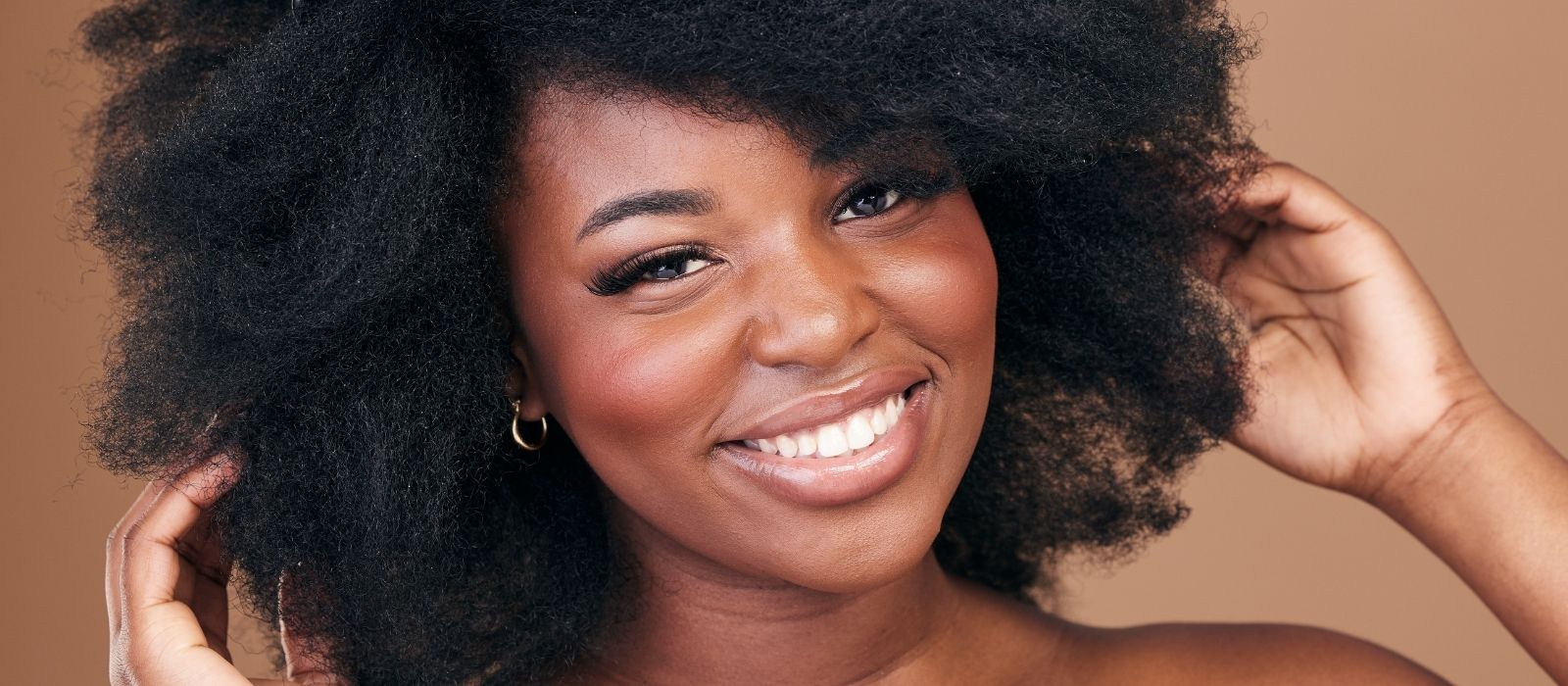
Coarse or tightly coiled hair, especially Type 4 textures, usually needs more substance. Natural scalp oils don’t travel easily along tight bends in the strand, so dryness shows up faster. That’s where richer oils can help seal in moisture instead of just adding shine.

If breakage is already an issue, oil alone won’t fix structural damage. Our guide on how to repair damaged hair naturally walks through what actually strengthens the strand over time.

Porosity Changes the Outcome

Two people can use the same oil and get completely different results.

High porosity hair absorbs water quickly but loses it just as fast. It often feels dry even after conditioning. Heavier oils like olive or castor can help slow that moisture loss by creating a barrier.

Low porosity hair resists absorption. Products tend to sit on the surface, especially thick oils. In that case, lighter options like jojoba tend to feel more balanced.

You can usually tell by how your hair behaves after washing. If it takes forever to get fully wet, you’re likely low porosity. If it dries in record time and feels rough soon after, moisture is escaping quickly.

That difference matters more than brand loyalty.

Why Coconut Oil Works Differently

Coconut oil gets a lot of attention for a reason. Unlike most oils, it can penetrate the hair shaft instead of only coating it. Research published through the National Institutes of Health found that coconut oil can reduce protein loss when used before washing, especially on damaged hair.

That makes it useful if your strands feel weak or stretchy.

But it’s not universal. Some low porosity hair types find coconut oil makes their hair feel stiff. If that’s your experience, it’s not that your hair “doesn’t like moisture.” It may simply prefer something lighter.

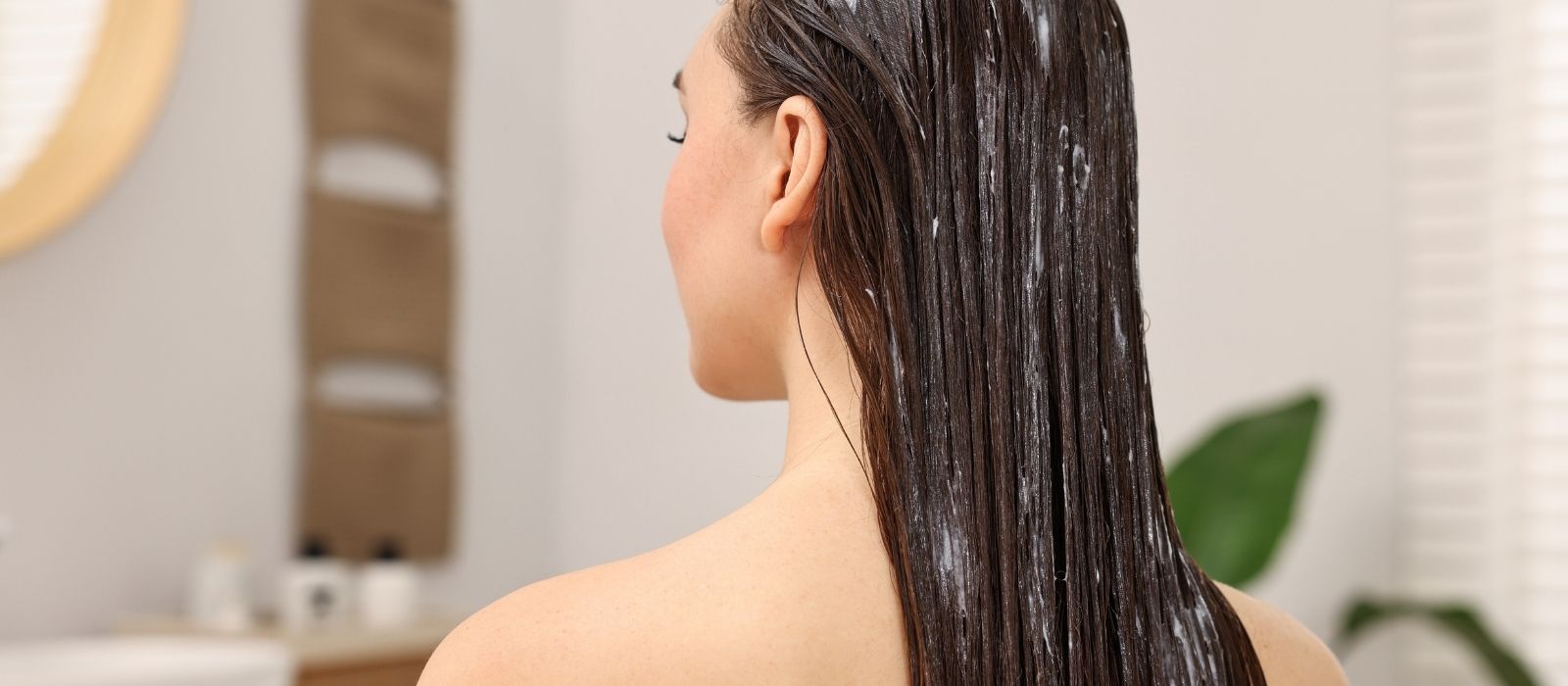
Pre-wash treatments work best here. Apply melted coconut oil before shampooing, leave it for at least 30 minutes, then rinse thoroughly.

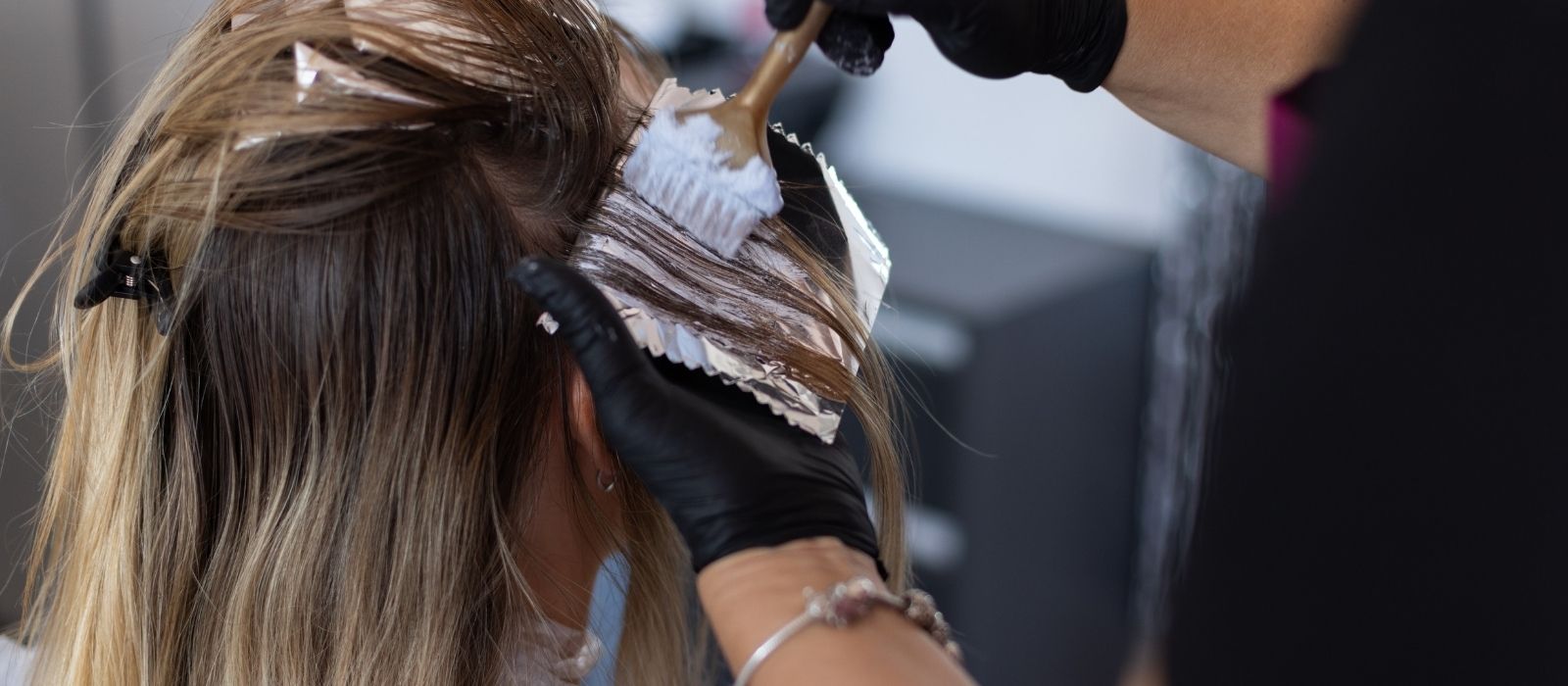
And if you color-treat your hair, the Cleveland Clinic notes that chemical processing weakens the cuticle over time. Supporting the strand before washing becomes more important in that case.

Your Scalp Deserves Attention

Sometimes the right oil isn’t for your length at all.

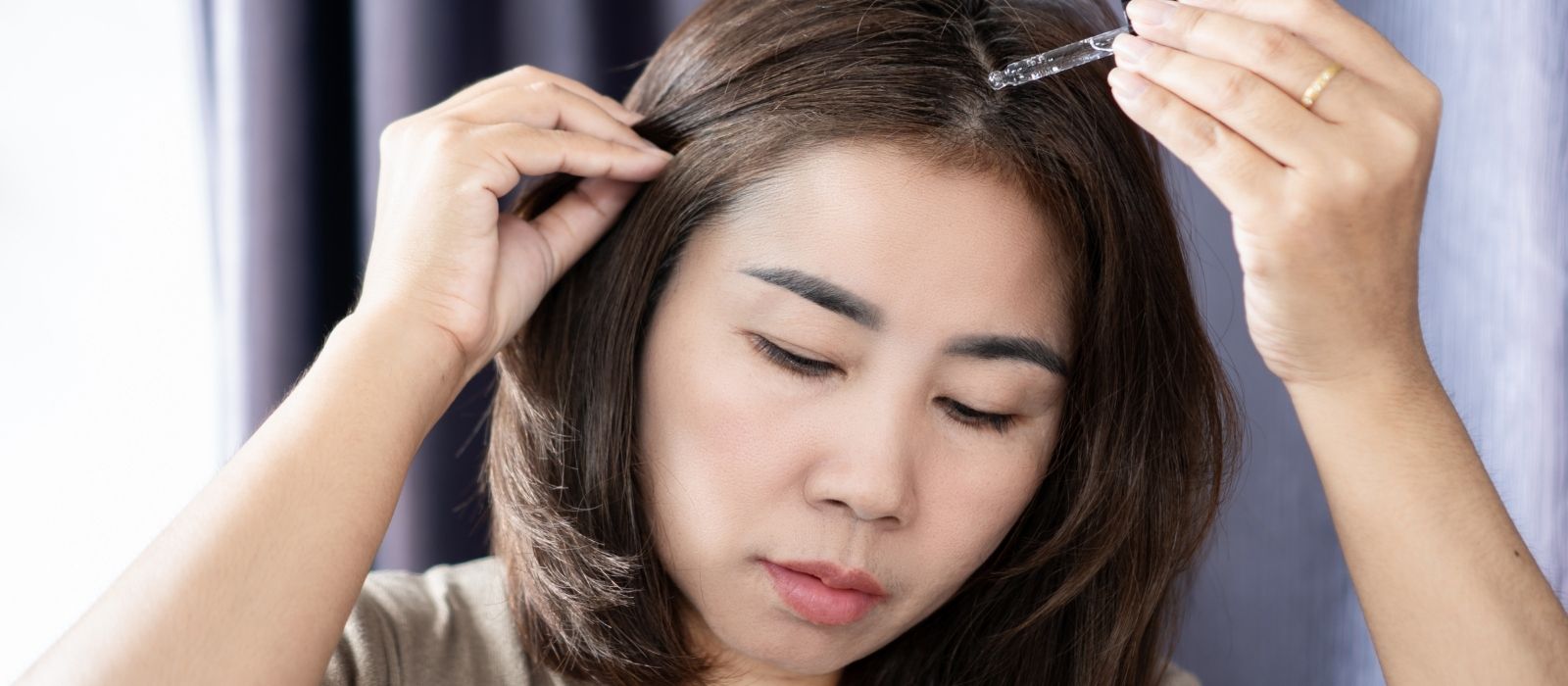
If your scalp feels tight, flaky, or irritated, that changes the equation. Jojoba oil closely resembles natural sebum, which makes it a useful option for both dry and slightly oily scalps. It tends to regulate rather than overwhelm.

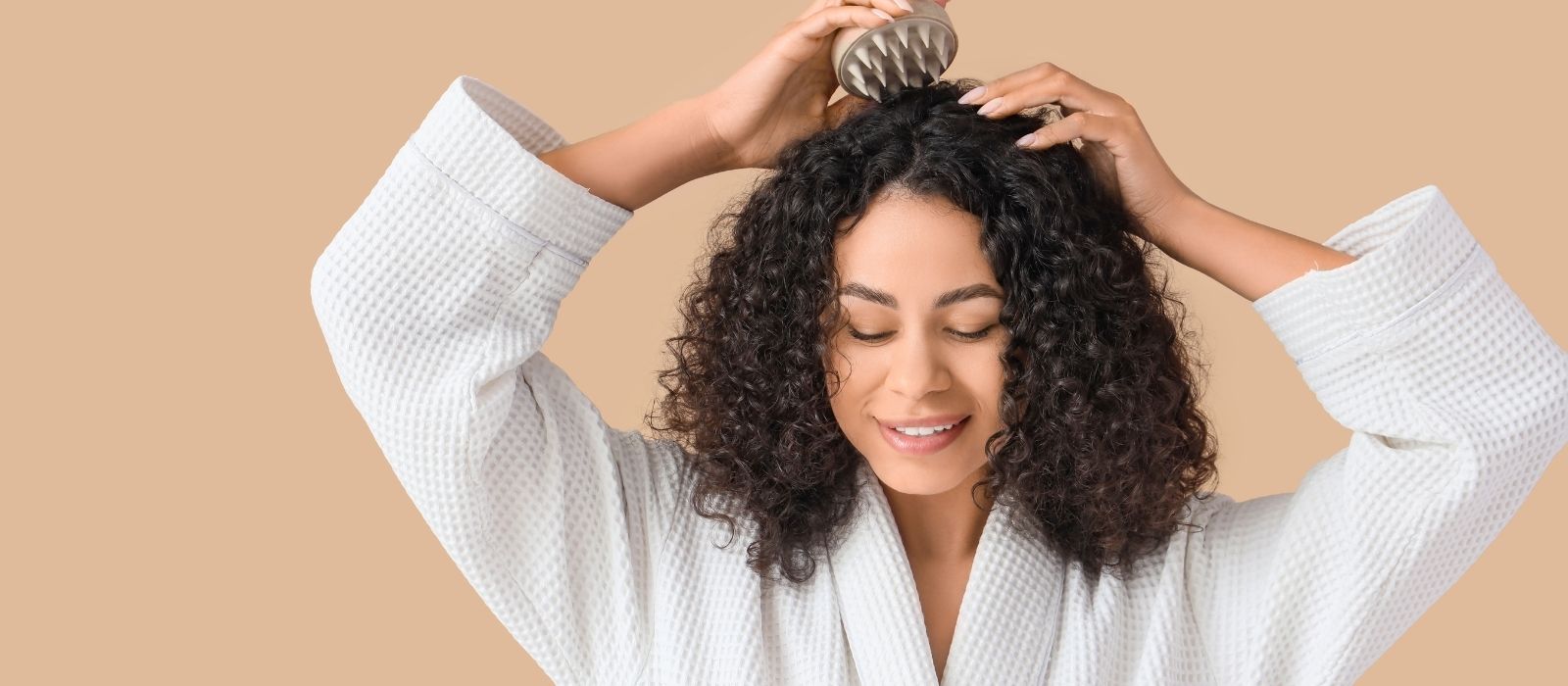
Massage a small amount into your scalp and leave it for about 20 minutes before washing. If you’re dealing with ongoing shedding, it helps to rule out stress, hormonal shifts, or nutritional changes first. Our article on postpartum hair loss explains what normal shedding looks like and when it deserves attention.

Healthy growth starts at the scalp. Length just reflects what’s happening underneath.


Person with long brown hair, hands on scalp, in a neutral setting with a blurred background. Mood suggests contemplation or stress.

When Heavier Oils Make Sense

Castor oil is thick and slow-moving. It’s not ideal for full-head styling on fine hair, but it can work well on dense, tightly coiled textures or for targeted areas where hair feels thinner.

Ricinoleic acid, the primary fatty acid in castor oil, may improve circulation to the scalp. That doesn’t guarantee new growth, but better circulation supports the follicles that are already active.

Olive oil works differently. It softens rigid strands and adds flexibility, which makes detangling less harsh. That’s especially useful for curls and coils prone to tangling.

Apply heavier oils to damp hair and focus on the ends. Your scalp already produces oil naturally, so it rarely needs heavy layering unless you’re correcting dryness.

Small adjustments tend to make the biggest difference.

How Much Oil Is Actually Enough

More oil rarely solves dryness. It often creates buildup.

Lightweight oils usually require only a few drops. Heavier oils for pre-wash treatments may require a tablespoon, depending on hair density. Start with less than you think you need. You can always add more.

Apply to damp hair so it spreads evenly. Water helps distribution and prevents concentrated patches that feel greasy.

If your curls fall flat, you used too much. If your ends still feel rough after drying, you may need a heavier sealant.

Hair tells you quickly when something isn’t working.

Choosing Which Natural Oil Is Best for Your Hair Type

The best oil isn’t the most popular one. It’s the one that addresses what your hair is actually struggling with right now.

If breakage keeps coming back, strengthening the strand matters more than layering product. Our breakdown of repairing damaged hair naturally walks through what actually prevents split ends from returning.

If frizz is your main frustration, keeping curls defined and frizz-free explains why moisture balance usually matters more than oil alone.

Consistency beats switching products every month.


bottom of page