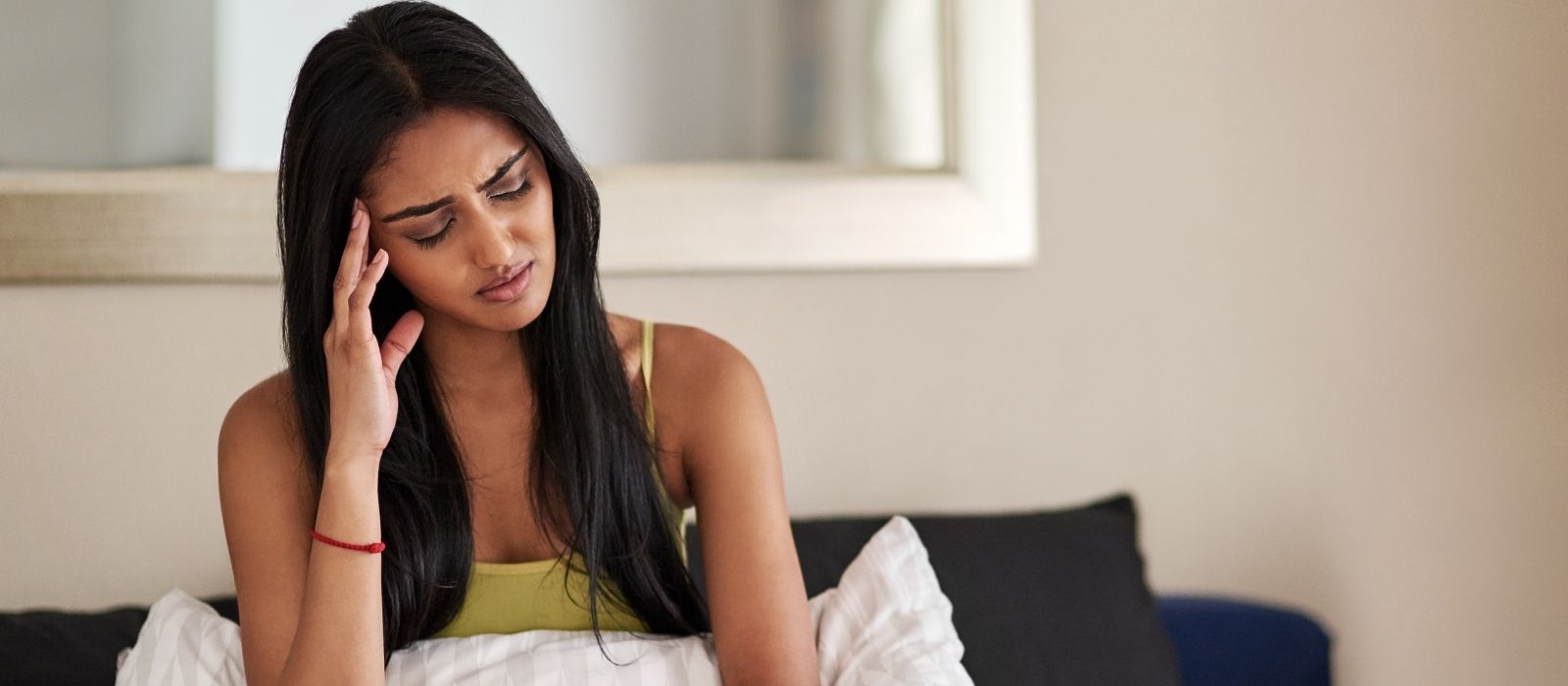
Women experience anxiety at twice the rate of men. The reasons are biological, hormonal, and structural — and they're not talked about enough.
Women are twice as likely to be diagnosed with anxiety disorders as men. That's not because women are naturally more worried or less capable of handling stress. The difference runs deeper — through hormones, brain chemistry, and social structures that create specific pressures for women.
The gap shows up early. By age 13, girls already experience anxiety at higher rates than boys. By adulthood, generalized anxiety disorder affects 6.6% of women compared to 2.8% of men. Panic disorder hits 5% of women versus 2% of men. These aren't small differences — they're patterns that point to biological and structural causes.
What causes anxiety in women isn't just stress. It's a combination of estrogen fluctuations disrupting neurotransmitter balance, societal expectations creating mental overload, and the way anxiety symptoms present differently in female bodies. Understanding these specific drivers matters because generic anxiety advice often misses what's actually happening.
Hormonal Fluctuations Disrupt Brain Chemistry
Estrogen directly affects serotonin production. When estrogen drops — during your period, postpartum, or perimenopause — serotonin levels drop with it. Lower serotonin means increased anxiety, irritability, and that restless feeling that something's wrong even when nothing specific is happening.
The luteal phase of your cycle creates a perfect storm. Estrogen and progesterone both crash in the two weeks before your period. Progesterone normally has a calming effect on the brain, so when it plummets, anxiety symptoms spike. This isn't just PMS — it's a predictable neurochemical shift that many women experience monthly but don't connect to their cycle.
Perimenopause amplifies this pattern. Estrogen levels become erratic for years before menopause, creating unpredictable anxiety episodes. A study from Harvard Medical School found that women in perimenopause are 2.5 times more likely to experience anxiety disorders compared to premenopausal women. The hormonal chaos creates brain chemistry chaos.
The Mental Load Creates Chronic Background Stress
The mental load — remembering doctor appointments, tracking family schedules, noticing when supplies run low — falls disproportionately on women. This isn't just about doing tasks. It's about holding responsibility for remembering, planning, and coordinating daily life for multiple people.
Research from UCLA shows that women's cortisol levels stay elevated throughout the day when managing household responsibilities, while men's cortisol drops after work. Chronic elevated cortisol primes the nervous system for anxiety. Your brain stays in scanning mode, always tracking what needs attention next.
This creates anxiety that feels like it comes from nowhere. You're not actively worried about something specific, but your nervous system is processing the constant low-level pressure of mental responsibility. That background hum of vigilance translates into physical anxiety symptoms.
Anxiety Presents Differently in Women
Women's anxiety often shows up as perfectionism, people-pleasing, or high-functioning anxiety that looks productive from the outside. Men's anxiety more commonly presents as irritability or anger, which gets recognized and treated faster.
Physical symptoms hit differently too. Women report more digestive issues, muscle tension, and sleep problems with anxiety. Racing thoughts at bedtime affect women more frequently, partly because the evening cortisol drop that should promote sleep gets disrupted by hormonal fluctuations.
The combination of hormonal sensitivity, social pressures, and different symptom presentations means anxiety in women often gets misunderstood or undertreated. Understanding how your cycle affects anxiety can help you recognize patterns and seek appropriate treatment that addresses the root causes, not just the symptoms.
FAQ
Why do women have higher anxiety than men
Women have higher anxiety rates due to hormonal fluctuations that disrupt neurotransmitters like serotonin, societal pressures that create chronic stress, and different symptom presentations that often go unrecognized. Estrogen drops during menstrual cycles, postpartum, and menopause directly impact brain chemistry.
Does estrogen cause anxiety or reduce it
Estrogen typically reduces anxiety by supporting serotonin production. When estrogen drops — during your period, after childbirth, or in menopause — anxiety often increases. The fluctuations matter more than absolute levels, which is why perimenopause creates particularly unpredictable anxiety symptoms.
What are the main causes of anxiety in women
The main causes include hormonal fluctuations throughout the menstrual cycle and life stages, the mental load of managing household and family responsibilities, genetic predisposition to anxiety disorders, and chronic stress from societal expectations. These factors often combine rather than operating individually.