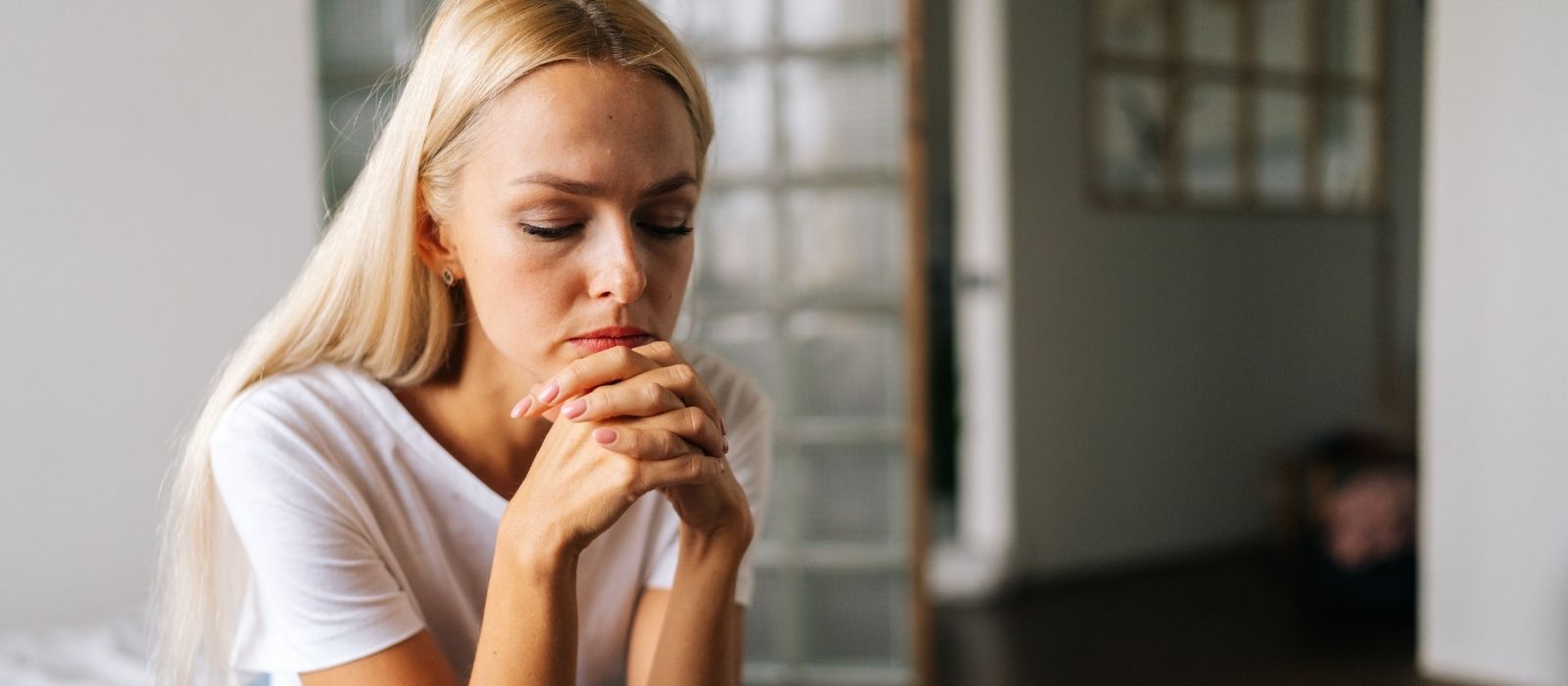
If anxiety hits without a clear cause, your body is often the source — not your thoughts. Here's what's actually driving it and what to do about it.
You're sitting at your desk, checking emails, when your heart starts racing. Your chest tightens. Your breathing gets shallow. But nothing triggered it. No stressful meeting, no bad news, no obvious reason for your body to hit the panic button.
This is what random anxiety feels like, and it's more common than you think. When you feel anxious for no reason, your mind immediately starts searching for a cause. You scan your thoughts for something threatening, replay recent conversations, or convince yourself something must be wrong. But here's what's actually happening: your body created the anxiety first, then your brain scrambled to explain it.
Most anxiety isn't born in your thoughts. It starts in your physiology. Your nervous system, hormones, and blood chemistry can trigger anxiety symptoms before your conscious mind gets involved. Understanding these physical triggers changes how you respond when anxiety hits out of nowhere.
Your Blood Sugar Is Running the Show
Blood sugar crashes create identical symptoms to anxiety attacks. When glucose drops too quickly, your body releases adrenaline to trigger glucose production. That adrenaline surge causes rapid heartbeat, sweating, shakiness, and that familiar fight-or-flight feeling. Your brain interprets these physical sensations as danger, even though the actual cause is metabolic.
This happens most often between meals, after eating refined carbs that spike then crash your blood sugar, or when you've had too much caffeine without food. The fix isn't managing your thoughts — it's stabilizing your glucose levels with protein and complex carbs every few hours.
Cortisol Spikes Don't Follow Your Schedule
Your cortisol rhythm affects anxiety more than most people realize. Cortisol naturally peaks in the morning to get you moving, then drops throughout the day. But chronic stress, poor sleep, or irregular eating can throw this pattern off completely.
When cortisol spikes at random times — say, 3 PM when you should be winding down — your body goes into high alert mode. You feel wired, restless, and anxious without any external stressor. Sleep deprivation makes this worse because it keeps cortisol elevated when it should be dropping.
Research from Harvard Medical School shows that even one night of poor sleep can increase cortisol production the next day by up to 37%. That's why anxiety often gets worse at night when you're already running on empty.
Hormonal Shifts Create Anxiety Waves
Estrogen and progesterone directly influence your brain's anxiety pathways. When these hormones fluctuate — during your menstrual cycle, pregnancy, postpartum, or perimenopause — they can trigger anxiety symptoms that seem to come from nowhere.
Progesterone has a calming effect on your nervous system. When it drops sharply before your period, you lose that natural anxiety buffer. Estrogen affects serotonin production, so when it swings up and down, your mood regulation gets thrown off. This is why many women notice anxiety patterns that match their cycle.
Thyroid dysfunction also mimics anxiety disorders. Hyperthyroidism speeds up your metabolism and can cause racing thoughts, rapid heartbeat, and restlessness. Hypothyroidism can create depression-anxiety combinations that feel unpredictable.
Your Nervous System Gets Stuck in High Gear
Your autonomic nervous system controls functions like breathing, heart rate, and digestion without conscious input. When this system gets dysregulated — often from chronic stress, trauma, or even too much multitasking — it can get stuck in sympathetic mode. That's your fight-or-flight state.
Once your nervous system is primed for threat detection, normal stimuli can trigger anxiety responses. Bright lights, loud noises, or even positive excitement can feel overwhelming because your system is already running hot. This explains why anxiety can hit during pleasant activities or calm moments.
Vagus nerve dysfunction plays a role here too. This nerve connects your brain to your digestive system and helps regulate your stress response. When it's not functioning properly, you lose the ability to naturally calm down after stress, leaving you in a state of chronic low-level activation.
What Actually Helps Physical Anxiety
Treating physiological anxiety requires different tools than cognitive anxiety. Breathing exercises work because they directly influence your nervous system. Cold exposure — like splashing cold water on your face — activates your vagus nerve and can interrupt anxiety spirals quickly.
Regular protein intake keeps blood sugar stable. Magnesium supplementation can help if you're deficient, which many people are. Getting morning sunlight helps regulate cortisol rhythms naturally.
The most important shift is recognizing when your anxiety is physical first. Instead of trying to think your way out of it, address the underlying body state. Sometimes your body knows something before your conscious mind catches up.
Frequently Asked Questions
Why does my anxiety feel worse in the morning even when nothing is wrong?
Morning anxiety often stems from natural cortisol spikes that occur between 6-8 AM. If you're already stressed or have disrupted sleep, this normal cortisol rise can feel overwhelming. Low blood sugar from fasting overnight can amplify these feelings.
Can dehydration cause anxiety symptoms?
Yes. Even mild dehydration affects your heart rate and can trigger anxiety-like symptoms including dizziness, rapid heartbeat, and difficulty concentrating. Your brain is highly sensitive to fluid balance changes, which is why staying hydrated can reduce random anxiety episodes.
How do I know if my anxiety is hormonal or psychological?
Track when your anxiety occurs relative to your menstrual cycle, sleep patterns, and eating schedule. Hormonal anxiety often follows predictable patterns — like appearing the week before your period or after poor sleep. Psychological anxiety usually has identifiable triggers or thought patterns that precede the physical symptoms.