

How to Repair Your Skin Barrier When Everything Irritates Your Skin
- Mar 12, 2025
- 4 min read
Updated: 5 hours ago
Your moisturizer burns. Foundation won't sit right. Products that worked last month now turn your face red and angry.
You're dealing with a damaged skin barrier, and it's making your skin defenseless against everything it touches. Your barrier is the outermost layer that locks moisture in and keeps irritants out.
When it breaks down from over-exfoliation, harsh products, or environmental damage, your skin can't protect itself anymore. The fix isn't adding more products—it's about giving your skin what it needs to rebuild itself and stopping whatever broke it in the first place.

What Actually Breaks Your Skin Barrier
Most barrier damage comes from being too aggressive with skincare. Using retinol every night without building tolerance. Layering acids like you're trying to dissolve your face. Washing with hot water and foaming cleansers that leave your skin tight.
Environmental factors don't help either. Cold, dry air pulls moisture out faster than your skin can replace it. Pollution creates free radicals that weaken barrier lipids. Even indoor heating systems dry out your skin overnight.
The barrier itself is made of three key lipids: ceramides, cholesterol, and fatty acids. When these break down faster than your skin can produce them, you get that tight, reactive, can't-handle-anything feeling. Your skin needs all three to function properly, which is why targeted repair works better than just slapping on any moisturizer.
Stop Doing What Caused the Damage
Before you can repair skin barrier damage, you have to stop making it worse. This sounds obvious but most people skip this step and wonder why their skin won't heal.
Cut out acids completely. No glycolic, no salicylic, no lactic. Your AHA BHA routine can wait. Same with retinol—even the gentle bakuchiol alternatives are too much right now.
Switch to lukewarm water. Hot showers feel amazing but they strip natural oils your barrier desperately needs. Your cleanser should rinse off without leaving your skin squeaky or tight (that's actually more damage, not cleanliness).
If you're using fragrant products, ditch them. Fragrance compounds can irritate compromised skin even when they didn't bother you before.
The Three-Product Routine to Repair Skin Barrier
Damaged barriers can't handle ten-step routines. You need exactly three things: gentle cleanser, barrier-repairing moisturizer, mineral sunscreen.
Your cleanser should be cream or gel-based, not foaming. Look for something with a pH around 5.5 that won't disrupt your acid mantle. Sulfates strip natural oils that compromised barriers desperately need, so avoid them completely during recovery.
The moisturizer matters most. You need ceramides, cholesterol, and fatty acids in the right ratio to match your natural barrier composition. These aren't just sitting on your surface—they integrate into your barrier structure as it rebuilds.
Niacinamide helps too (there's research showing it boosts ceramide production naturally). Check ingredient lists for all three barrier lipids plus niacinamide if you want faster recovery.
Mineral sunscreen protects what's healing. Zinc oxide and titanium dioxide sit on top instead of absorbing in, which means less irritation risk. Tinted versions blend better and add iron oxides for extra protection against visible light.
Layer Hydration Before Moisture
Hydration and moisture do different jobs. Hydration pulls water into your skin. Moisture seals it there.
Use a hydrating serum with hyaluronic acid or glycerin before your moisturizer. These humectants grab water from the air and bind it to your skin. Then lock everything in with your lipid-rich moisturizer.
Apply products to damp skin—the extra water helps humectants work better and improves absorption overall. Pat your face semi-dry after cleansing, then immediately apply your serum while it's still slightly wet.
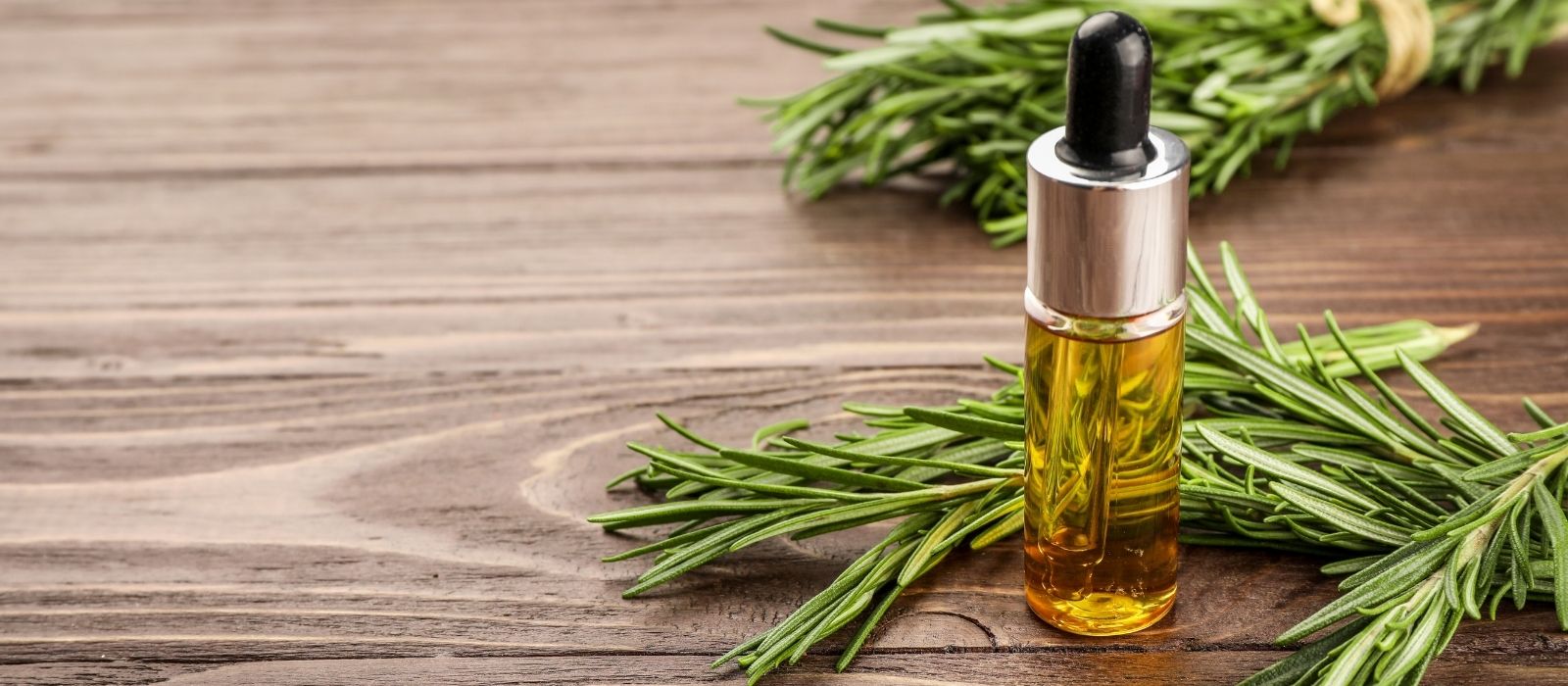
Your skin loses the most moisture overnight (because you're not drinking water or applying products for eight hours straight). Use a slightly thicker moisturizer before bed, or layer a facial oil over your regular moisturizer to prevent transepidermal water loss while you sleep.

What Skin Barrier Recovery Actually Looks Like
You'll see some improvement within three to five days. Less stinging when you apply products. Redness calms down a bit. Your skin stops feeling like it might catch fire.
But that's not full recovery—that's just the beginning. The underlying barrier structure takes four to six weeks to properly rebuild. Your skin might look fine after two weeks, but the lipid matrix underneath is still repairing itself.
This is where most people mess up. They see improvement and immediately reintroduce their acids or retinol. Then everything flares up again and they're back at square one.
Wait the full four weeks minimum. When you do add actives back in, start with once a week. Not twice. Not every other day. Once. Then gradually increase if your skin tolerates it well.
Protect Your Barrier While It Heals
Compromised barriers are more vulnerable to everything—sun damage, pollution, irritants you wouldn't normally react to. Protection isn't optional during recovery.
Sunscreen every single day, even indoors. UV exposure slows healing and causes additional damage to already-weakened skin. Reapply every two hours if you're outside (yeah, actually do this).
Consider a humidifier if you're in a dry climate or running heat indoors. Keeping ambient humidity around 40-50% helps your skin retain moisture instead of constantly fighting environmental dryness.
Avoid touching your face. Your hands carry bacteria and oils that irritated skin doesn't need right now.
When to Get Professional Help
Most barrier damage heals with consistent gentle care. But if your skin isn't improving after six weeks, or if you're dealing with severe burning, oozing, or widespread rashes, see a dermatologist.
Prescription barrier repair creams contain higher concentrations of ceramides and cholesterol than over-the-counter options. Some include anti-inflammatory ingredients that calm severe reactions faster than drugstore products can manage.
Persistent barrier issues sometimes signal underlying conditions like eczema or rosacea that need targeted treatment beyond basic repair routines.
Your barrier tells you what it needs through how it reacts. Listen to it instead of forcing products it can't handle yet.
Your barrier protects everything underneath. Learn which ingredients rebuild it fastest in What Does Niacinamide Do for Skin.