

top of page

10 Proven Ways to Protect Your Skin From Pollution Damage

  • Jan 20, 2025
  • 3 min read

Updated: Jan 19

Your face feels tight after the commute. There's a layer of something you can't quite see but definitely feel. That's pollution settling into your skin like dust on furniture, and it's doing more than making you look tired.

Pollution particles are small enough to penetrate your skin barrier, triggering inflammation that shows up as breakouts, dullness, and premature aging. The exhaust fumes, industrial smoke, and particulate matter floating through city air don't just sit on your skin's surface—they work their way in, creating chemical reactions that break down collagen and weaken your protective barrier.

This happens whether you're walking through downtown traffic or sitting near an open window, which means everyone dealing with urban environments needs a defense strategy that actually works.


Black woman in braids receiving a facial treatment with a clay mask applied. Lying on a towel in a spa setting, relaxed mood, neutral background.

Learning how to protect skin from pollution isn't complicated, but it does require consistency. Your skin can handle pollution exposure when you give it the right backup.

Start with double cleansing at night. One wash won't cut through the combination of sunscreen, sebum, and pollution that accumulates during the day. An oil-based cleanser breaks down everything first, then your regular cleanser removes what's left. Skipping this step means you're essentially marinating in pollution overnight, breaking down your skin barrier while you sleep.

Antioxidants are essential for how to protect skin from pollution because they neutralize free radicals before they can trigger the chain reaction of inflammation that leads to visible damage. Vitamin C, niacinamide, and green tea extract work like a shield between your skin and environmental damage.


Apply them in the morning under sunscreen—this combination gives you layered protection that addresses both UV exposure and pollution simultaneously. Your skin's fighting multiple attackers at once, so single-solution approaches won't work.

Barrier strength determines how well pollution stays out. When your lipid matrix—the mortar between your skin cells—is intact, pollutants can't penetrate as easily. Ceramides, cholesterol, and fatty acids rebuild this protective structure, which is why moisturizers containing these ingredients matter more in urban environments than anywhere else. Think of it as reinforcing your walls before the next storm hits.

Sunscreen isn't optional even on cloudy days. UV radiation and pollution work together to cause more damage than either would alone. Mineral sunscreens with zinc oxide or titanium dioxide create a physical barrier that reflects both UV rays and some pollution particles, while chemical sunscreens absorb UV before it can combine with environmental toxins to create chemical stress.


Weekly clay masks pull trapped pollution from your pores. Clay masks bind to particulate matter and draw it out, giving you a reset after days of exposure. Once a week is enough—overdoing it strips beneficial oils and weakens the barrier you're trying to protect.

Hydration keeps your barrier functional. Dehydrated skin develops microscopic cracks that let pollution in more easily, while well-hydrated skin maintains the tight junctions between cells that keep irritants out. Layer hydrating serums with hyaluronic acid or glycerin under your moisturizer, especially if you notice that tight, uncomfortable feeling after being outside.

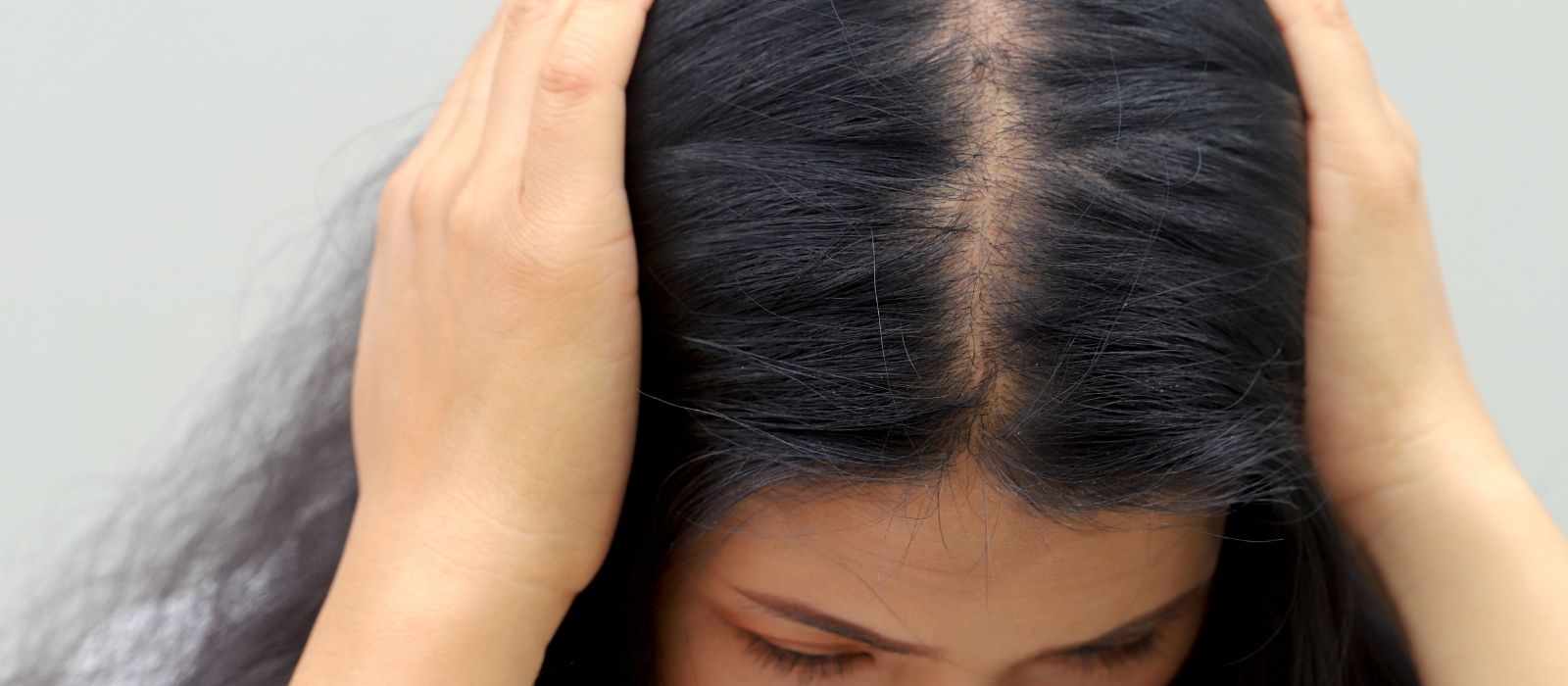
Your hairline collects pollution too. Dry shampoo, styling products, and environmental particles settle where your hair meets your skin, causing breakouts and irritation along your forehead and temples. Cleanse this area thoroughly, and keep hair products away from your face when applying them.


The most overlooked area? Your neck. It faces the same daily pollution exposure as your face but rarely gets the same protection. Extend your antioxidant serum, moisturizer, and sunscreen down to your collarbone.

Check pollution levels the way you check weather. High pollution days call for an extra layer of antioxidant protection or a midday cleansing wipe to remove accumulated particles. You wouldn't skip an umbrella in the rain—don't skip extra protection when air quality tanks.

Understanding how to protect skin from pollution means building consistent habits—double cleansing, antioxidants, barrier care, and sunscreen create a defense system that actually works. Small daily habits compound into skin that stays clear, calm, and resilient despite whatever the environment throws at it.


bottom of page