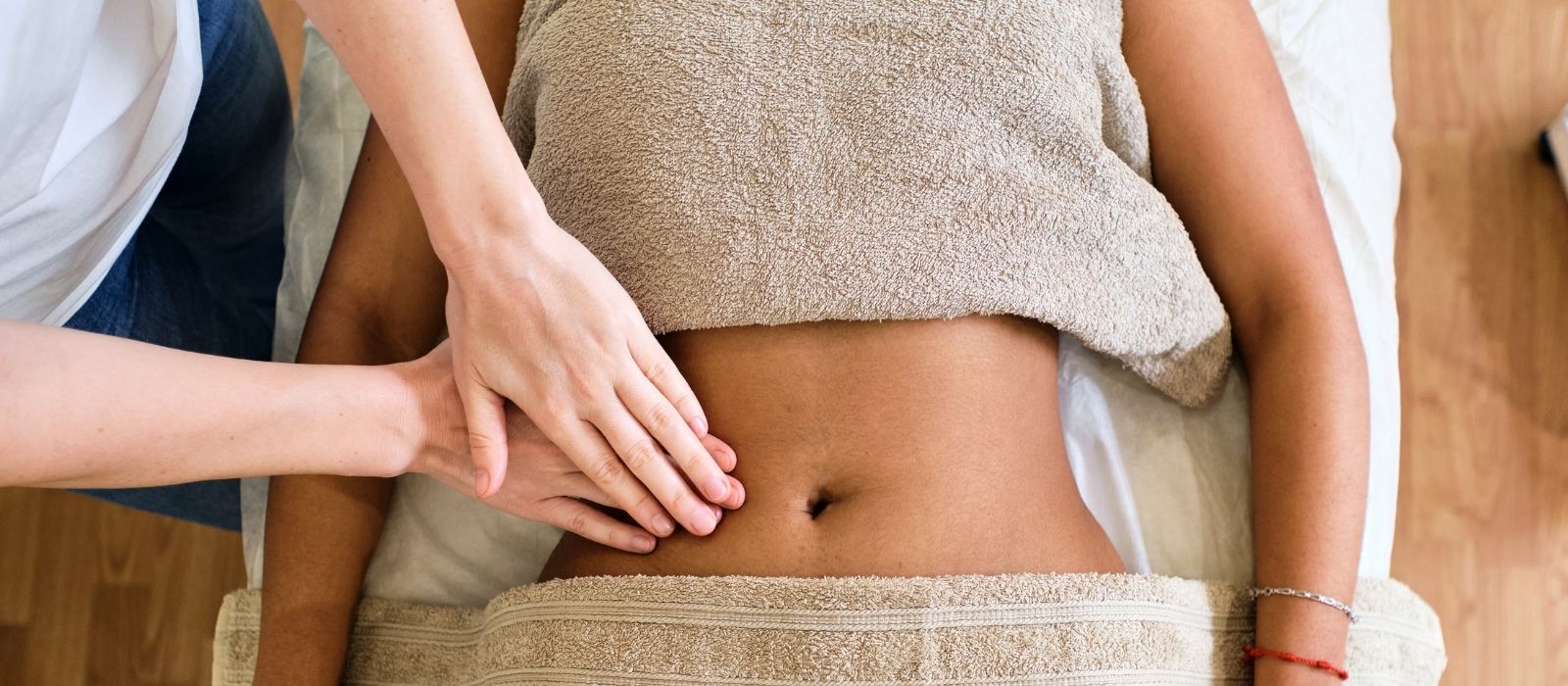
Lymphatic drainage is everywhere — but the evidence behind facial massage and gua sha tools is thin. Here's what the lymphatic system actually does and when drainage helps.
Your feed is full of people rolling jade tools across their faces, claiming they're "draining lymph" and reducing puffiness. Wellness studios charge $150 for lymphatic drainage massages that promise to detox your system and sculpt your jawline. The lymphatic system has become the wellness world's favorite explanation for everything from bloating to brain fog.
Here's what's actually happening: your lymphatic system does critical work moving fluid and fighting infection, but most trendy drainage techniques can't meaningfully influence it. The real lymphatic drainage that works requires specific pressure, technique, and training that you won't find in a five-minute morning routine.
The lymphatic system is your body's waste management network. It runs parallel to your blood vessels, collecting excess fluid from tissues and filtering it through lymph nodes before returning it to your bloodstream. This network moves about three liters of lymph daily, carrying dead cells, proteins, and toxins away from tissues.
What Your Lymphatic System Actually Does
Lymph moves differently than blood. Your heart pumps blood through arteries under pressure, but lymph relies on muscle contractions, breathing, and one-way valves to push fluid through lymphatic vessels. This system removes excess fluid from tissues — without it, you'd swell up like a balloon within hours.
Lymph nodes act as filtration stations. When you feel swollen glands in your neck during illness, those are lymph nodes working overtime to trap and destroy bacteria or viruses. Your spleen, thymus, and bone marrow are also part of this system, producing and storing immune cells.
The lymphatic system doesn't detox in the way wellness marketing suggests. Your liver and kidneys handle detoxification. Lymphatics move fluid and support immune function. That's significant work, but it's not pulling mysterious toxins from your face or eliminating bloat from last night's dinner.
When Lymphatic Drainage Actually Helps
Clinical lymphatic drainage works for specific medical conditions. Manual lymphatic drainage, developed by Emil Vodder in the 1930s, uses precise pressure and direction to move lymph toward functioning lymph nodes. Certified therapists spend hundreds of hours learning these techniques.
This therapy helps people with lymphedema, where damaged or missing lymph nodes cause fluid buildup. Cancer patients who've had lymph nodes removed often develop lymphedema in arms or legs. Professional lymphatic drainage can reduce swelling and improve mobility for these conditions.
Post-surgical swelling also responds to proper lymphatic drainage. After procedures like liposuction or breast surgery, certified therapists can help reduce healing time and fluid retention using specific techniques that encourage lymph flow toward unaffected areas.
The Limits of DIY Drainage
Face rolling and gua sha tools can't create the pressure patterns needed for lymphatic drainage. Your facial lymphatics drain toward lymph nodes near your ears and under your jaw, but light pressure from massage tools doesn't generate enough force to move lymph meaningfully.
Those jade rollers might reduce puffiness temporarily by moving surface fluid and increasing blood flow, but this isn't lymphatic drainage. It's basic massage increasing circulation. The effect lasts about as long as pressing a pillow crease out of your cheek.
Dry brushing falls into the same category. Brushing toward your heart might feel energizing and improve circulation after exercise, but it's not moving lymph through your system. The pressure is too light and the technique too general to influence lymphatic flow.
What Actually Supports Lymphatic Function
Movement works better than massage tools. Your lymphatic system relies on muscle contractions to push fluid through vessels. Walking, swimming, or basic strength training naturally supports lymph flow without special techniques.
Deep breathing helps because the pressure changes in your chest cavity during inhaling and exhaling help pull lymph toward your heart. This happens automatically, but conscious deep breathing can increase the effect.
Staying hydrated matters because lymph is mostly water. Dehydration makes lymph thicker and harder to move. Your sleep quality affects fluid regulation too — poor sleep disrupts the systems that balance fluid in your tissues.
FAQ
Does lymphatic drainage help with bloating?
No. Bloating happens in your digestive system, not your lymphatics. Abdominal massage might help with digestion, but it's not draining lymph from your intestines.
Can facial massage reduce puffiness permanently?
Facial massage can temporarily move surface fluid and increase circulation, reducing puffiness for a few hours. It won't permanently change your face structure or eliminate morning puffiness long-term.
How do I know if I need professional lymphatic drainage?
If you have persistent swelling, especially after surgery or cancer treatment, consult a healthcare provider. They can determine if you have lymphedema or another condition requiring professional treatment.