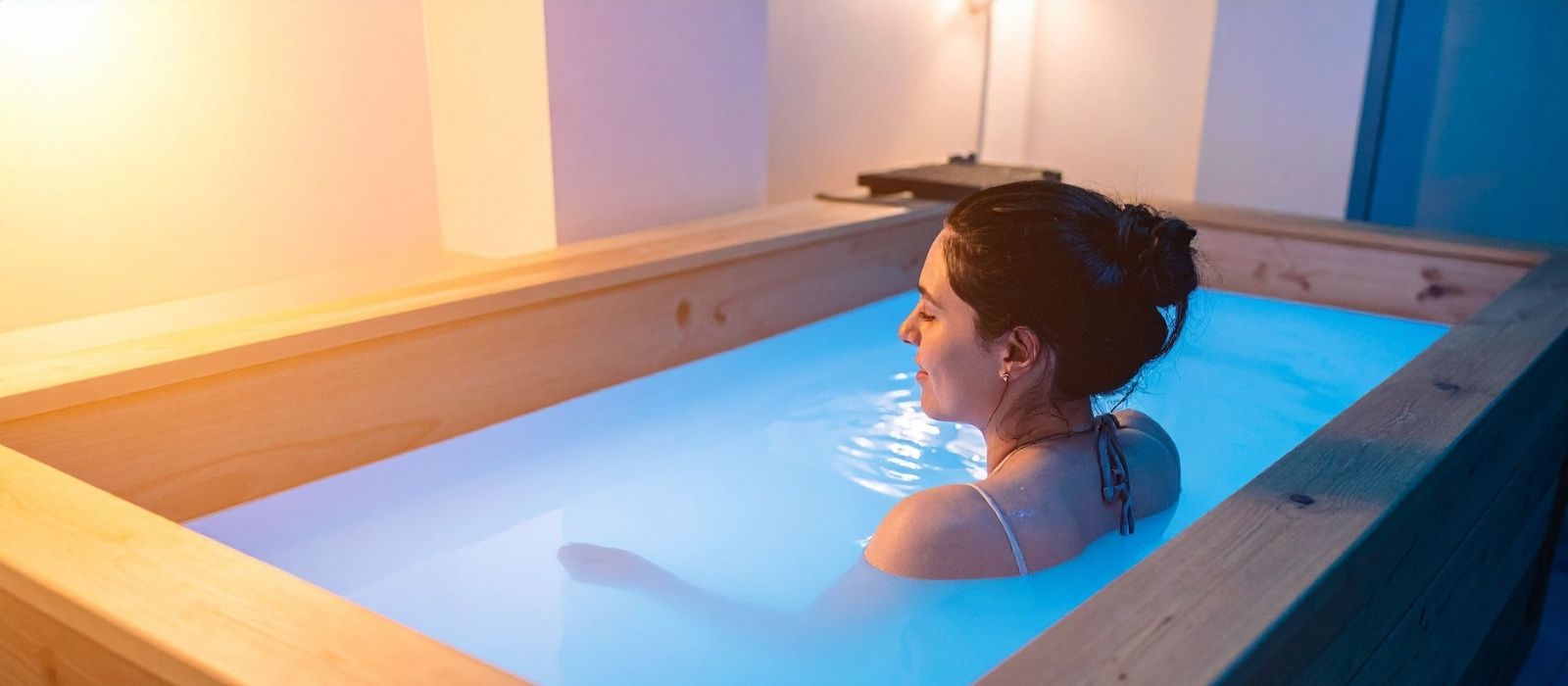
Cold plunging has real benefits — but most of the research is on men. Here's what the evidence shows for women specifically and how hormonal context changes things.
The influencer gets out of the 38-degree plunge pool, skin flushed red, claiming three minutes just reset her entire nervous system. The comments fill with women asking if they should try it. But scroll through the actual research behind cold water immersion, and you'll notice something: most studies used male participants.
That matters because women's bodies respond differently to cold stress. Your hormone fluctuations, body composition, and stress response patterns all influence how cold exposure affects you. The benefits are real, but the context changes everything.
Here's what the research actually shows about cold plunge for women: the cardiovascular and metabolic benefits hold up, but the timing around your cycle and workouts matters more than most people realize. Cold water immersion can reduce inflammation and boost recovery, but it can also spike cortisol when your body is already managing hormonal stress.
The Research Problem With Cold Therapy
A 2023 review in the International Journal of Environmental Research found that 78% of cold water immersion studies included only men or didn't report participant sex. The few studies that included women often didn't account for menstrual cycle phases, hormonal contraceptive use, or baseline cortisol differences.
This gap matters because women have different thermoregulation responses. You lose heat faster due to higher surface area to body mass ratios and different fat distribution. Your core temperature drops quicker, but you also rewarm faster once you get out. The metabolic boost from cold exposure – increased norepinephrine and brown fat activation – appears similar between sexes, but the stress hormone response differs significantly.
How Your Cycle Changes Cold Response
During the luteal phase (after ovulation), your baseline core temperature runs about 0.5 degrees higher. This makes cold water feel more shocking initially, but some women report the contrast feels more therapeutic. Your cortisol sensitivity also increases during this phase, which means cold stress can amplify existing hormonal tension.
The follicular phase (right after your period) might be optimal timing for cold water immersion. Estrogen is rising but cortisol sensitivity is lower, so you get the anti-inflammatory benefits without as much stress hormone disruption. There's limited research here, but the pattern matches what exercise physiologists see with other stressors.
Timing Around Workouts Matters More for Women
Cold water immersion right after strength training can blunt muscle protein synthesis – the process that builds strength from your workout. A study from the Journal of Physiology found this effect was more pronounced in women, possibly due to different inflammatory responses post-exercise.
Wait at least four hours after lifting before cold plunging. Better yet, save it for rest days or after cardio sessions. Cold exposure can actually enhance recovery between training sessions when timed right, but it shouldn't interfere with the adaptation process from resistance training.
For endurance work, the timing matters less. Cold water immersion after running or cycling can reduce muscle damage and speed up next-day recovery without compromising gains.
The Stress Hormone Reality
Cold exposure spikes cortisol temporarily – that's part of how it works. But women already juggle more cortisol variability due to monthly hormone fluctuations, work stress, and sleep disruption. Adding cold stress during already high-cortisol periods can backfire.
If you're dealing with chronic stress, poor sleep, or intense training phases, cold water immersion might add to your stress load rather than helping you recover. The anti-inflammatory benefits only kick in if your system can handle the initial stressor.
Start with shorter exposures – 30 to 60 seconds in 50-60 degree water instead of the 2-3 minutes often recommended. Work up gradually and pay attention to how you feel the rest of the day. If cold plunging leaves you exhausted rather than energized, you're either going too long or timing it wrong.
What Actually Works
The sweet spot for most women appears to be 1-2 minutes in 50-55 degree water, 2-3 times per week, at least four hours post-strength training. The temperature matters more than duration – getting cold enough to trigger the physiological response is key, but staying in longer doesn't multiply benefits.
Focus on consistency over intensity. Three 60-second sessions will likely serve you better than one brutal 5-minute plunge. Your nervous system adapts to the stressor, and that adaptation is where the real benefits live – improved stress resilience, better circulation, and enhanced recovery capacity.
FAQ
Is cold plunging safe during your period?
Yes, but you might feel the cold more intensely due to increased sensitivity during menstruation. Start with warmer water (around 60 degrees) and shorter durations if you're just beginning.
Can cold water immersion affect your menstrual cycle?
Extreme cold stress could theoretically disrupt hormone balance, but typical cold plunge protocols don't appear to affect cycle regularity in healthy women. If you notice changes, reduce frequency or duration.
Should you cold plunge if you're trying to get pregnant?
There's no evidence that moderate cold water immersion affects fertility, but avoid it if you're dealing with unexplained fertility issues or high stress levels that could impact conception.