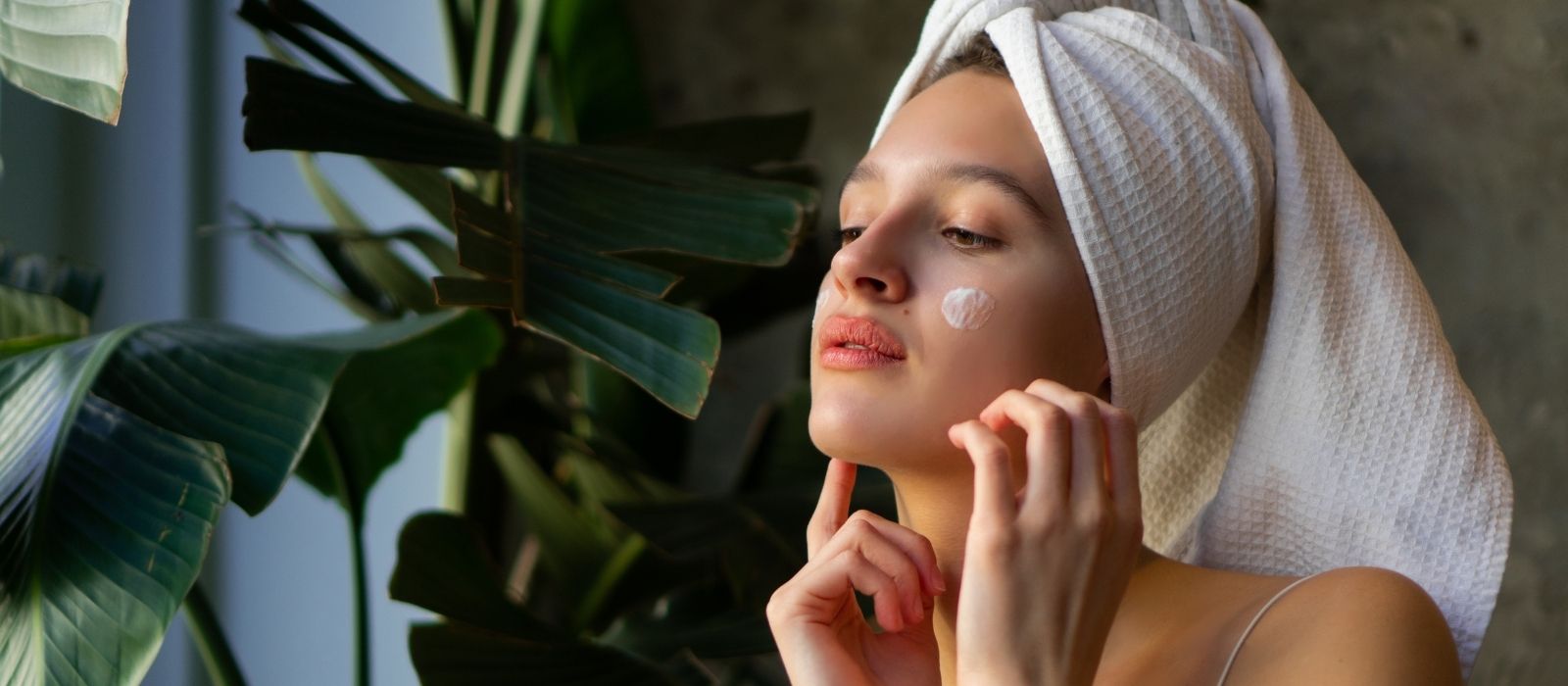
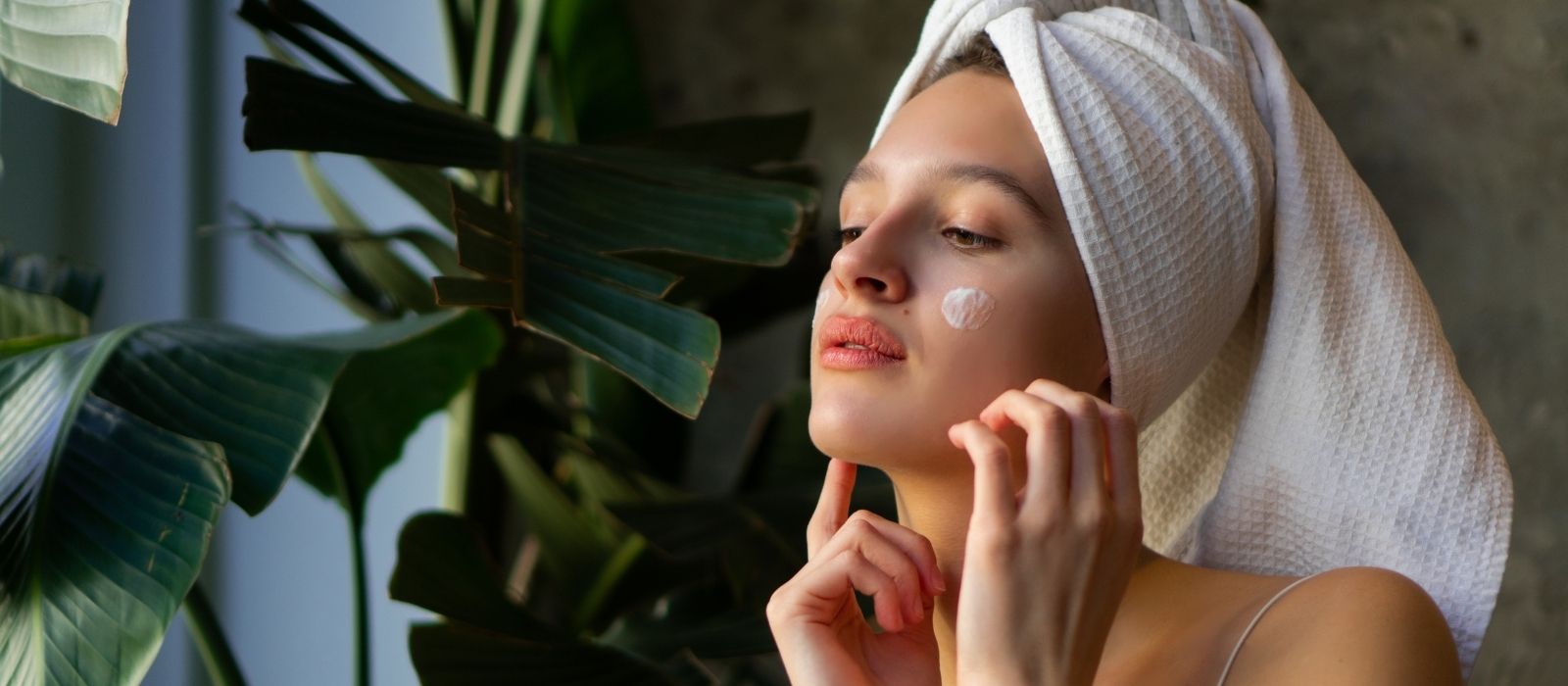
Skin flooding is a layering technique for maximising hydration — and it works for the right skin type. Here's what it involves and whether it's worth trying.
You splash water on your face, then immediately layer hyaluronic acid, glycerin, and a hydrating serum while your skin is still damp. That's skin flooding — a technique that sounds excessive but actually has solid science behind it.
The method works because humectants like hyaluronic acid and glycerin grab moisture from their surroundings. Apply them to dry skin, and they'll pull water from deeper layers, potentially leaving you more dehydrated. Apply them to damp skin, and they latch onto that surface water instead, trapping it in place.
Skin flooding takes this principle to its logical extreme. You're creating multiple opportunities for water retention by layering several humectant-based products while your skin barrier is saturated with moisture. But whether it's worth the extra steps depends entirely on your starting point.
Why Skin Flooding Actually Works
Your skin barrier holds water through a combination of natural moisturizing factors and lipids. When that system gets compromised — from over-cleansing, harsh weather, or using too many active products — water evaporates faster than your skin can replace it.
Humectants help by binding to water molecules and holding them in your skin. Hyaluronic acid can hold up to 1,000 times its weight in water. Glycerin pulls moisture from the environment when humidity is above 50%. Sodium PCA mimics your skin's natural moisturizing factors.
The timing matters because wet skin has temporarily opened pathways for these ingredients to penetrate. You have about three minutes after washing before that window closes. Skin flooding takes advantage of this by applying multiple layers during that optimal absorption period.
How to Do Skin Flooding for Dry Skin
Start with freshly cleansed, damp skin. Don't towel dry completely — leave it visibly moist. Apply your thinnest hydrating product first, typically a hyaluronic acid serum. Pat it in gently, don't rub.
While that first layer is still wet, apply your second hydrating product. This might be a glycerin-based toner or another humectant serum. The goal is to trap the moisture from the previous layer while adding more.
Continue this process with 2-4 hydrating products, applying each while the previous one is still damp. Finish with a moisturizer that contains ceramides or other barrier-repairing ingredients to seal everything in.
The entire process should take less than five minutes. If any layer fully dries before you apply the next one, mist your face lightly with water or a hydrating spray to reactivate the moisture.
When Skin Flooding Makes Sense
This technique works best for genuinely dry skin that feels tight after cleansing and looks dull or flaky despite regular moisturizer use. It's particularly effective during winter months when indoor heating strips moisture from the air.
People with compromised skin barriers — from retinoid use, chemical peels, or environmental damage — often see dramatic improvements with skin flooding. The multiple hydration layers give damaged barriers extra support while they repair.
Mature skin benefits because natural hyaluronic acid production decreases with age. Loading up on humectants can temporarily restore that plumping effect you've lost.
When to Skip It
Oily and combination skin types don't need skin flooding. Your skin already produces enough sebum to prevent water loss. Adding multiple hydrating layers might trigger more oil production or clog pores.
If your current routine already keeps your skin comfortable and hydrated, skin flooding won't add much benefit. It's a solution for a specific problem, not a universal upgrade.
Skip this technique if you're dealing with active breakouts or purging from new products. The multiple layers can trap bacteria and extend healing time.
What Products Work Best
Look for lightweight, water-based serums with multiple humectants. Avoid anything with heavy oils or silicones in the first few layers — they'll create a barrier that prevents deeper penetration.
Good options include hyaluronic acid serums, glycerin-based toners, and products with sodium hyaluronate, which has smaller molecules than regular hyaluronic acid. Slugging with petroleum jelly can work as a final occlusive layer, but only if your skin tolerates it.
Avoid mixing skin flooding with active ingredients like retinoids, AHA, or BHA acids. Save those for alternate nights. The goal is hydration, not treatment.
FAQ
Can I do skin flooding every day?
Yes, if your skin is genuinely dry. Most people find 3-4 times per week sufficient once their skin barrier improves.
Should I do skin flooding in the morning or evening?
Evening works better because you have more time and won't need to apply makeup over multiple wet layers.
What if my skin feels sticky after skin flooding?
You're using too much product or your skin doesn't need this level of hydration. Scale back to 2 layers or try the technique less frequently.