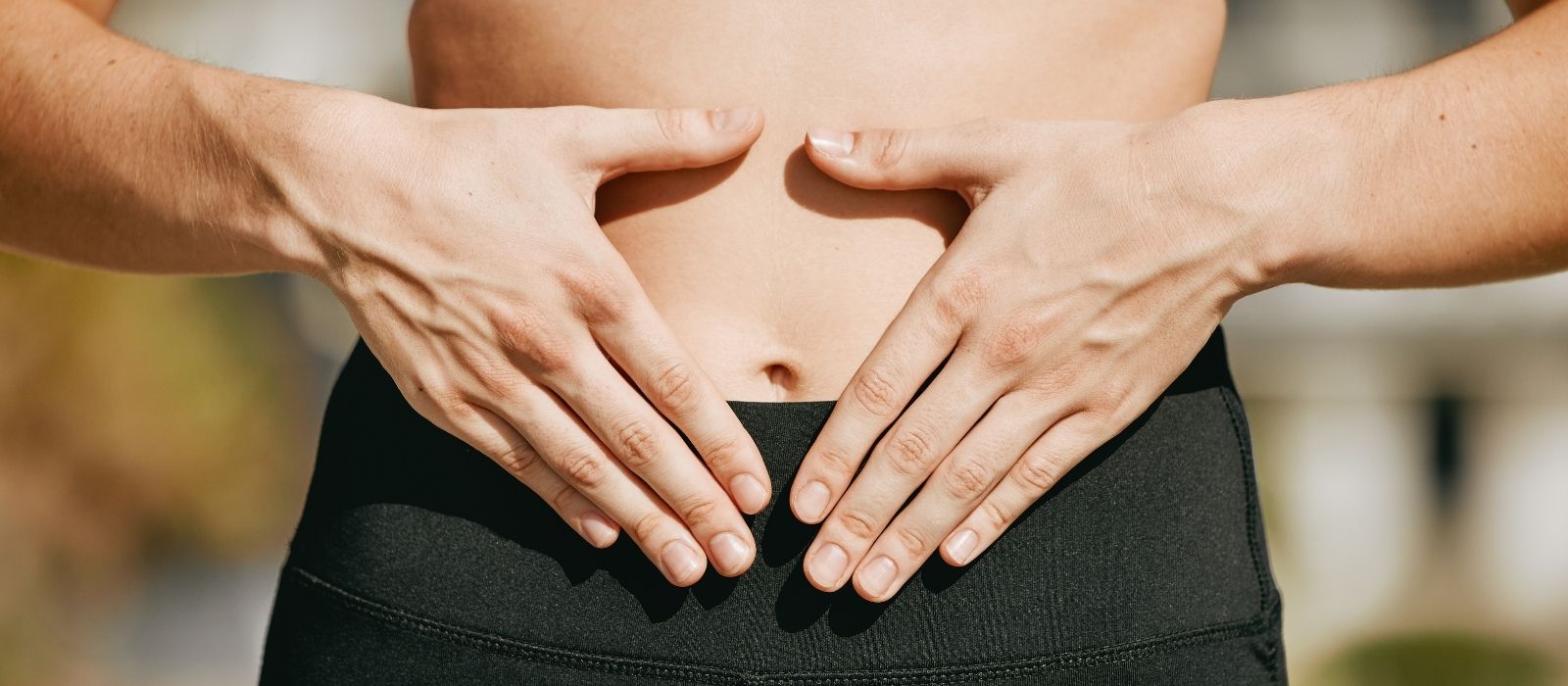
Chronic stress doesn't just affect your mood — it measurably disrupts digestion and the gut microbiome. Here's the mechanism and what supports the gut under stress.
Your stomach churns during the job interview. You can't eat before the big presentation. That knot in your gut when your phone rings after midnight — none of this is coincidence.
Chronic stress rewires your digestive system in measurable ways. It slows gastric emptying, reduces stomach acid production, and shifts blood flow away from your intestines. The gut bacteria that normally keep inflammation in check die off, while stress-feeding species multiply. What feels like sudden food sensitivities or mysterious bloating often traces back to cortisol levels that have been elevated for months.
The connection runs deeper than most people realize. Your enteric nervous system — the network of neurons lining your digestive tract — contains more nerve cells than your spinal cord. When your brain perceives threat, it doesn't just flood your bloodstream with stress hormones. It sends direct signals to shut down non-essential digestive processes. Your body prioritizes survival over breaking down lunch.
How Stress Physically Changes Your Digestion
Cortisol suppresses stomach acid production by up to 50% during acute stress episodes, according to research from UCLA. Lower acid means incomplete protein breakdown, which feeds harmful bacteria in your small intestine. These bacteria ferment the undigested proteins, creating gas and that familiar post-meal bloating that seems to come from nowhere.
Stress also slows the migrating motor complex — the wave-like contractions that sweep waste through your intestines between meals. Food sits longer in your gut, fermenting instead of moving through efficiently. This is why you feel bloated even when eating well during high-stress periods.
The vagus nerve, which controls the 'rest and digest' response, gets suppressed under chronic stress. Without adequate vagal tone, your digestive system never fully shifts into processing mode. You might notice food feels heavy in your stomach hours after eating, or that you're never truly hungry despite eating very little.
What Chronic Stress Does to Your Gut Microbiome
Cortisol acts like selective fertilizer in your gut. Beneficial bacteria like Lactobacillus and Bifidobacterium, which produce anti-inflammatory compounds, decline under sustained stress. Meanwhile, inflammatory species like certain strains of E. coli and Clostridium thrive in the high-cortisol environment.
This shift happens faster than you'd expect. A study from Ohio State University found that students' gut bacteria composition changed measurably during exam periods, with beneficial strains dropping by 25% and inflammatory markers increasing. The changes reversed once stress levels normalized, but only partially.
The altered microbiome then feeds back into the stress cycle. Inflammatory bacteria produce lipopolysaccharides that cross the gut barrier and trigger immune responses in the brain. Your gut literally makes your stress response stronger and more persistent. It's why digestive issues often outlast the original stressful situation.
Why Food Sensitivities Appear During Stress
Chronic stress increases intestinal permeability — the technical term for 'leaky gut.' Tight junctions between intestinal cells loosen, allowing partially digested food particles to enter your bloodstream. Your immune system treats these particles as foreign invaders, creating inflammatory reactions to foods you previously tolerated fine.
This explains why people develop sudden sensitivities to gluten, dairy, or other common foods during divorce, job changes, or family crises. The food isn't the primary problem. The compromised gut barrier is responding to stress by becoming hypervigilant about everything entering the system.
Sugar cravings intensify under stress because cortisol depletes stored glucose while simultaneously making cells less responsive to insulin. Your body craves quick energy even when you're eating enough calories overall.
Supporting Your Gut During High-Stress Periods
Probiotics help, but not all strains work equally well under stress. Lactobacillus rhamnosus and Bifidobacterium longum specifically counter cortisol's effects on gut bacteria composition. Look for supplements containing at least 10 billion CFUs of these targeted strains.
Digestive enzymes taken with meals can compensate for reduced stomach acid production. Betaine HCl with pepsin supports protein breakdown when your natural acid levels drop during stress periods.
Eating smaller, more frequent meals works better than forcing three large ones when your digestion is compromised. Supporting your hormones through food doesn't require complete dietary overhauls — consistent meal timing and adequate protein help stabilize cortisol patterns.
FAQ
Can stress cause IBS symptoms even without a diagnosis?
Yes. Chronic stress triggers the same digestive disruptions seen in IBS — altered gut motility, increased sensitivity to normal intestinal gas, and changes in gut bacteria that increase inflammation. Many people experience IBS-type symptoms during high-stress periods that resolve when stress decreases.
How long does it take for gut health to recover after chronic stress?
Gut bacteria composition can begin shifting within days of stress reduction, but full recovery typically takes 6-12 weeks. The gut lining repairs more slowly, especially if leaky gut developed during the stress period. Supporting recovery with targeted probiotics and anti-inflammatory foods speeds the process.
Why do I lose my appetite when stressed but crave junk food?
Acute stress suppresses appetite by shutting down digestive processes, but chronic stress disrupts leptin and ghrelin — your hunger and satiety hormones. You lose interest in regular meals but crave high-sugar, high-fat foods because cortisol depletes energy stores and makes your brain seek quick fuel sources.