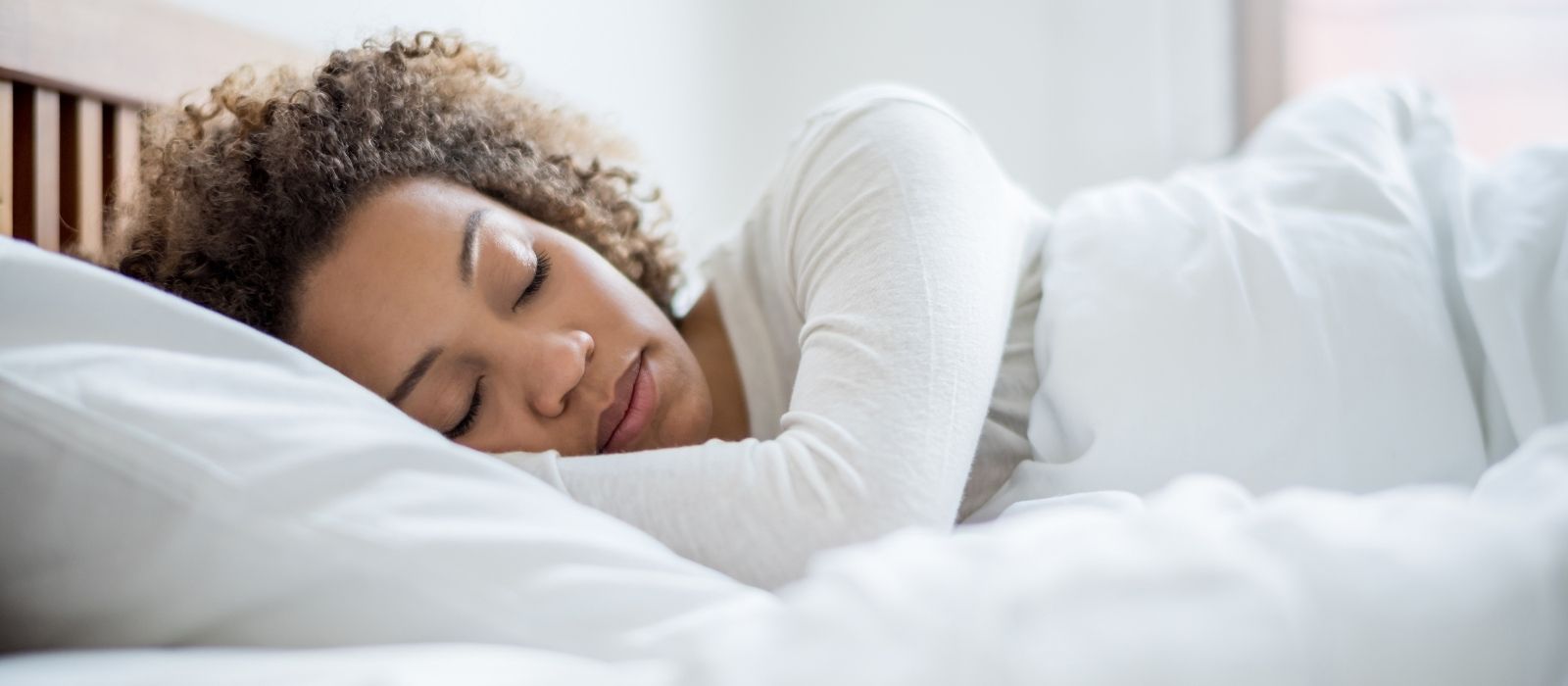
Silk and satin pillowcases genuinely reduce friction — but who benefits most varies. Here's what the research shows and whether a bonnet is actually better.
You wake up with hair that looks like you wrestled your pillow all night. Frizz in places that were smooth before bed. Tangles that weren't there eight hours ago. Your cotton pillowcase might be the culprit.
Silk and satin pillowcases promise to solve this by reducing friction while you sleep. But there's a gap between the marketing claims and what actually happens on different hair types. Not everyone sees dramatic changes, and some people get better results from completely different approaches.
The science behind silk vs satin pillowcase hair benefits is straightforward: both materials create less friction than cotton. Cotton's rough texture catches on hair cuticles, causing mechanical damage and moisture loss throughout the night. Silk and satin let hair glide instead of grip.
How Silk and Satin Actually Protect Hair
Cotton pillowcases work like fine sandpaper against your hair shaft. The fibers create microscopic snags that lift cuticles and create weak points along the hair strand. This friction also pulls moisture from your hair into the cotton, leaving strands drier by morning.
Silk pillowcase hair benefits come from the material's smooth protein structure. Real silk contains amino acids similar to those in human hair, creating a surface that won't grab or pull. The tight weave and natural proteins also don't absorb moisture the way cotton does.
Satin pillowcase hair protection works differently. True satin is woven silk, but most affordable satin pillowcases are polyester or nylon with a satin weave. The smooth surface reduces friction just like silk, but synthetic satin doesn't have silk's protein content or breathability.
A study published in the Journal of Cosmetic Dermatology found that silk pillowcases reduced hair breakage by 43% compared to cotton in participants with chemically treated hair. The difference was most pronounced in hair that was already damaged or porous.
Who Benefits Most From Silk and Satin Pillowcases
Curly and coily hair types see the biggest improvements. These hair shapes naturally create more friction against rough surfaces because of their curves and spirals. The reduced friction from silk or satin can mean the difference between defined curls and a frizzy mess.
Colour-treated and chemically processed hair also responds well because the cuticles are already compromised. When your hair porosity is high, every bit of moisture retention matters. Silk and satin help prevent additional moisture loss during sleep.
Fine hair benefits from reduced breakage, but the results are subtler. If your hair is naturally straight and healthy, you might not notice much difference beyond slightly less bedhead. The protection is there, but fine hair doesn't create as much friction to begin with.
Silk vs Satin Pillowcase Hair Differences
Real silk pillowcases cost $30-100 depending on the momme weight and size. Mulberry silk with 19-25 momme is the sweet spot for durability without excessive thickness. Higher momme feels luxurious but can be less breathable.
Satin pillowcases range from $8-25 for synthetic versions. Polyester satin lasts longer and requires less careful washing, but it doesn't breathe like silk. Your scalp might feel warmer, which could increase oil production if you're prone to greasy roots.
Temperature regulation matters more than most people realize. Silk naturally adjusts to your body temperature and wicks moisture without absorbing it. Synthetic satin can trap heat, potentially making your scalp produce more oil overnight.
Sleep Bonnet vs Pillowcase Showdown
Silk or satin bonnets protect hair more completely than pillowcases. A bonnet wraps your entire head, eliminating friction from tossing and turning. Pillowcases only protect the hair touching the pillow.
Bonnets work better for longer hair, protective styles, and anyone who moves a lot during sleep. They're also more cost-effective — a quality bonnet costs $15-30 versus $50+ for a good silk pillowcase.
The downside is comfort. Some people find bonnets hot or restrictive. If you're not used to wearing anything on your head to bed, it takes adjustment. Pillowcases feel more natural but provide less complete protection.
Your hair care routine should complement your sleep protection choice. If you're using rosemary oil treatments or other leave-in products, a silk pillowcase won't interfere with absorption the way cotton might.
The bottom line: silk and satin pillowcases genuinely reduce friction and moisture loss. Whether that translates to noticeably better hair depends on your hair type, current damage level, and how much you move during sleep. Curly, processed, or fragile hair sees the most benefit. Healthy, straight hair sees protection but might not notice dramatic changes.
Frequently Asked Questions
Do silk pillowcases actually prevent hair breakage?
Yes, studies show silk reduces hair breakage by up to 43% compared to cotton, especially for damaged or chemically treated hair. The smooth surface creates less friction than cotton's rough texture.
Is satin or silk better for hair?
Real silk is better because it contains natural proteins similar to hair and regulates temperature better. However, satin (usually polyester) costs less and provides similar friction reduction for most hair types.
Should I use a silk pillowcase or sleep bonnet?
Bonnets protect hair more completely since they cover your entire head, not just the part touching the pillow. Choose bonnets for longer hair or if you move a lot during sleep, pillowcases for comfort and convenience.