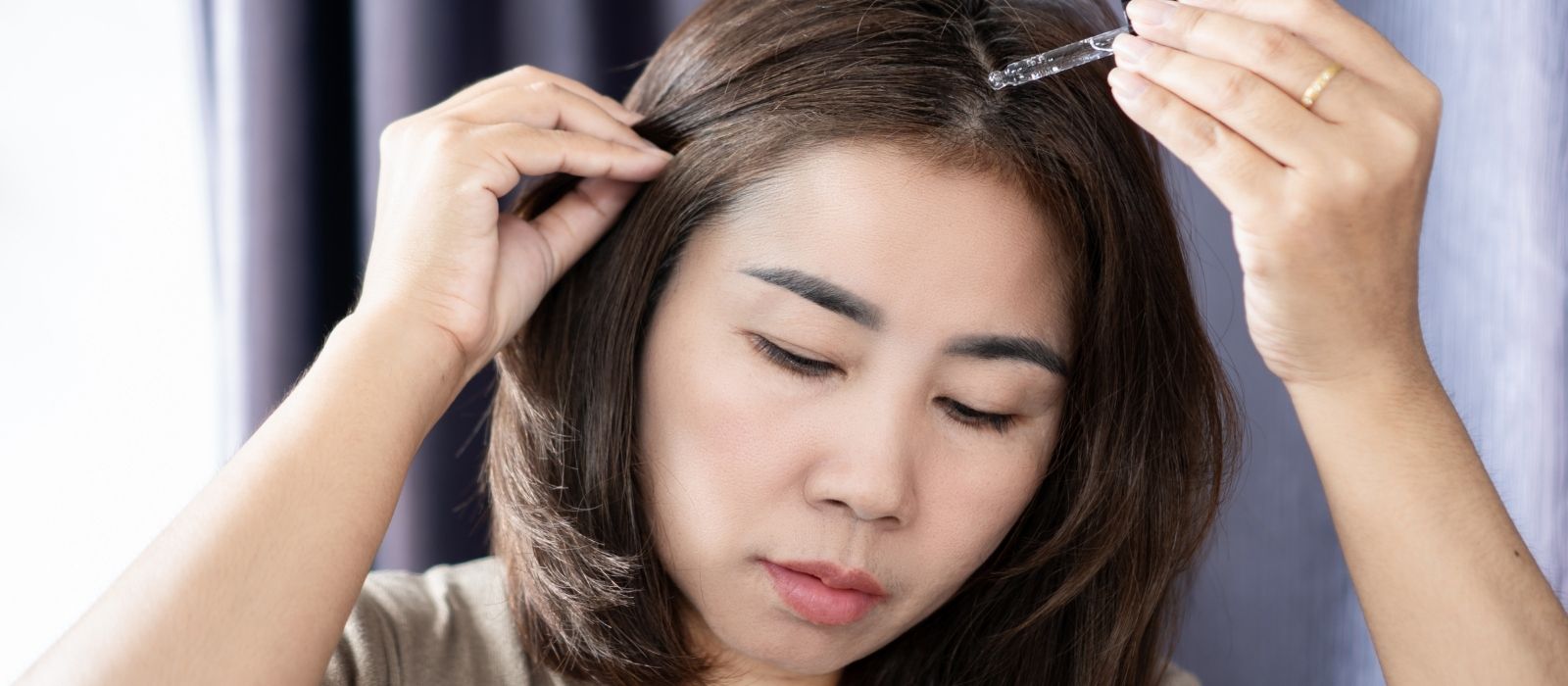
The hair growth serum market is booming — but most are marketing over mechanism. Here's which ingredients have actual evidence and how to evaluate what you're buying.
Your Instagram feed is flooded with before-and-after photos. Women holding up bottles promising thicker hair in 30 days. The comments sections overflow with testimonials about 'life-changing results' and 'miracle growth.' The hair growth serum market hit $1.9 billion in 2023, and it's projected to double by 2030.
Most of these serums won't do what they promise. The industry runs on hope and clever marketing, not mechanisms that actually stimulate follicles. But buried in the noise are ingredients with real research backing them up — compounds that can genuinely influence hair growth cycles when used correctly.
So do hair growth serums work? Some do. Most don't. The difference comes down to active ingredients with proven pathways, not marketing budgets or influencer partnerships.
The Science of Hair Growth — What Actually Matters
Hair grows in three phases: anagen (active growth), catagen (transition), and telogen (resting before shedding). Effective hair growth serums target one of two things: extending the anagen phase or improving the scalp environment where follicles operate.
Your hair follicles are mini-organs with blood supply, hormone receptors, and stem cell populations. They respond to specific molecular signals, not vague 'nourishment.' This is why ingredients matter more than brand names or price points.
Minoxidil — The Only FDA-Approved Option
Minoxidil remains the gold standard because it's the only hair growth ingredient approved by both the FDA and Health Canada for androgenetic alopecia. Originally developed as a blood pressure medication, researchers discovered it dilates blood vessels in the scalp and prolongs the anagen phase.
Studies consistently show 2% minoxidil increases hair count by 18-45% over 48 weeks in women with pattern hair loss. The 5% concentration works faster but causes more scalp irritation. You'll find minoxidil in products like Rogaine, but many serums skip it because it requires daily application and can cause an initial shedding phase that scares customers.
Caffeine — More Than Morning Energy
Caffeine blocks dihydrotestosterone (DHT), the hormone that shrinks follicles in androgenetic alopecia. A 2014 study in the International Journal of Dermatology found caffeine penetrates hair follicles and stimulates growth when applied topically.
The concentration matters. Studies use 1-3% caffeine, but many serums contain trace amounts that won't reach therapeutic levels. Proper scalp preparation helps caffeine penetrate deeper, which is why some people see results while others don't.
Peptides — Cellular Communication
Copper peptides and acetyl tetrapeptide-3 show up in premium serums because they genuinely influence follicle behavior. Copper peptides improve blood circulation and collagen synthesis around follicles. A 2007 study found copper peptides increased hair density by 58% over 24 weeks.
Acetyl tetrapeptide-3 works differently — it reduces inflammation around follicles and extends the anagen phase. Combined with red clover extract, it increased hair density by 46% in a 2013 clinical trial. These peptides cost significantly more than filler ingredients, which is why effective serums aren't cheap.
Rosemary Oil — The Natural Alternative
Rosemary oil performs as well as 2% minoxidil according to a 2015 study involving 100 participants with androgenetic alopecia. Both groups saw similar increases in hair count after 24 weeks, but the rosemary group reported less scalp itching.
The active compound is carnosic acid, which improves circulation and has anti-inflammatory properties. Research shows rosemary oil works best at 3.7 mg per application, diluted in a carrier oil to prevent irritation.
How to Evaluate Hair Growth Serums
Check the ingredient list for active compounds in therapeutic concentrations. Avoid products that list 'proprietary blends' without specific percentages — that's usually code for underdosed actives mixed with cheap fillers.
Look for third-party testing or clinical studies on the specific formulation, not just individual ingredients. A serum might contain minoxidil and caffeine but in concentrations too low to matter.
Consider your hair loss pattern. Serums work best for diffuse thinning or early-stage androgenetic alopecia. Advanced hair loss or scarring alopecia typically requires medical intervention beyond topical treatments.
Set realistic timelines. Hair growth cycles take 3-6 months, so any serum promising results in 30 days is selling hope, not science. Building a consistent routine matters more than switching products every few weeks.
Frequently Asked Questions
How long does it take for hair growth serums to work?
Legitimate hair growth serums take 12-24 weeks to show measurable results because hair growth cycles are slow. You might see reduced shedding in 4-6 weeks, but new growth takes months to become visible.
Can I use hair growth serum with other hair products?
Yes, but apply the serum to clean, dry scalp first. Wait 10-15 minutes before applying styling products or oils. Some ingredients like minoxidil can be inactivated by certain chemicals in hair products.
Do expensive hair growth serums work better than drugstore options?
Price doesn't guarantee effectiveness, but therapeutic ingredients are expensive to source and formulate. The most effective drugstore option remains generic minoxidil, while premium serums offer peptide complexes that cost more to produce.